


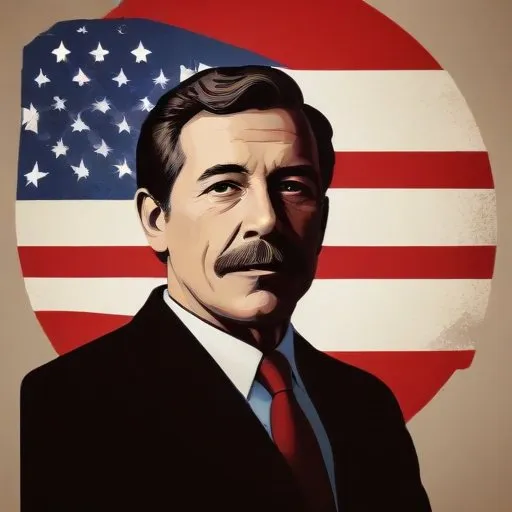
Led the International Brotherhood of Teamsters labor union, reforming its governance and fighting corruption, and was a key figure in the US labor movement. 18
Ron Carey, a stalwart of the labor movement, is arguably best known for being the first Teamster General President elected by a direct vote of the membership, serving from 1991 to 1997. During his tenure, he implemented reforms aimed at increasing union democracy, transparency, and accountability, earning him both admiration and criticism from various quarters.
Born on March 22, 1936, in Long Island City, New York, Ron Carey was the second of six sons to Joseph and Loretta Carey. His father, a driver for United Parcel Service (UPS), instilled in him the importance of fair labor practices, often taking him to union meetings where he learned about workplace change and democratic unionism. This early exposure laid the foundation for Carey's future advocacy and leadership in the labor movement.
After serving in the Marines from 1953 to 1955, Carey joined UPS as a driver and became a member of the Teamsters union in 1956. He quickly rose through the ranks, becoming shop steward of Local 804 in 1958 and secretary of the local in 1965. Carey's commitment to improving working conditions, fighting for workers' rights, and promoting union democracy propelled him to the forefront of the labor movement.
Carey's presidency marked a significant shift in the Teamsters' approach to governance and member engagement. He introduced reforms aimed at increasing transparency, accountability, and member involvement, including the establishment of an independent ethics committee and the creation of a member advisory board. These efforts earned him praise from many members and critics, who saw him as a breath of fresh air in the often-turbulent world of labor politics.
In 1996, Carey's reelection campaign was marred by allegations of an illegal donation kickback scheme, which led to his disqualification from running for Teamsters president again and his subsequent expulsion from the union for life. Although a federal jury ultimately cleared him of all wrongdoing, the lifetime ban remained in place until his death in 2008. Despite this setback, Carey's legacy as a champion of labor rights and democratization endures.
Carey married Barbara Murphy in 1953, and they remained together until his passing. The couple had five children and lived a life marked by commitment to family, community, and social justice. Carey's dedication to the labor movement and his unwavering advocacy for workers' rights serve as a testament to his enduring impact on modern society.
Ron Carey's contributions to the labor movement extend far beyond his presidency. He inspired a new generation of labor leaders, energized the movement with his commitment to democratization and transparency, and left an indelible mark on the Teamsters union. His legacy serves as a beacon for those seeking to promote social justice, combat workplace injustice, and empower marginalized communities.
Ron Carey's life and legacy serve as a powerful reminder of the importance of labor rights, social justice, and democratization in modern society. His unwavering commitment to these principles continues to inspire generations of labor leaders, activists, and advocates.
Born in 1913
Leader of the International Brotherhood of Teamsters labor union, notorious for his mysterious disappearance and alleged ties to organized crime.
Born in 1894
A pioneering labor leader who fought for workers' rights, leading the AFL-CIO and playing a key role in shaping American labor laws.
99 Years Old
Founded the United Farm Workers to improve working conditions and wages for farmworkers, leading boycotts and strikes to bring attention to their plight.
Born in 1922
A pioneering labor leader who fought for workers' rights and played a key role in shaping the American labor movement, leaving a lasting impact on the country's industrial relations.
Born in 1912
A pioneering civil rights activist who played a key role in organizing the 1963 March on Washington, where Martin Luther King Jr. delivered his iconic "I Have a Dream" speech.
Born in 1889
Leader of the Brotherhood of Sleeping Car Porters, pioneering the Civil Rights Movement through nonviolent protests and advocacy for African American workers' rights.
Born in 1850
Leading the American Federation of Labor, he fought for workers' rights, better wages, and improved working conditions, shaping the labor movement in the United States.
