


Founded the Amon Carter Museum of American Art, a premier institution showcasing American art from the 19th century to the present. The museum features a diverse collection of works by artists such as Frederic Remington and Charles Russell.
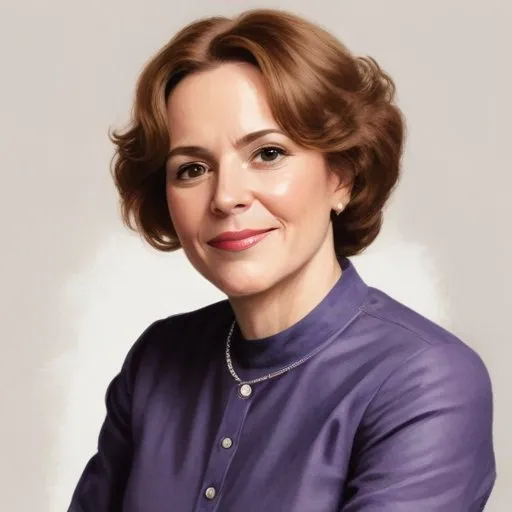
Ruth Carter Stevenson, a pioneering figure in the American art world, is renowned for founding the Amon Carter Museum of American Art in Fort Worth, Texas, in 1961. This iconic institution, established in memory of her father, Amon G. Carter, showcases an impressive collection of Western American art, including seminal works by Frederic Remington and Charles Russell.
Born on October 19, 1923, in Fort Worth, Texas, Ruth Carter Stevenson was the second daughter of Amon G. Carter, the creator and publisher of the Fort Worth Star-Telegram. Her father's vision for a museum dedicated to Western American art was a driving force in her life's work. After her father's passing in 1955, Stevenson devoted herself to realizing his dream, hiring the esteemed architect Philip Johnson to design the museum's building.
The Amon Carter Museum of American Art, which opened in January 1961, was a groundbreaking institution that rewrote the narrative of American art. Stevenson's unwavering commitment to promoting Western American art helped establish the museum as a hub for artistic innovation and cultural exchange. As the first president of the museum's board of trustees, she played a vital role in shaping the institution's vision and direction.
Ruth Carter Stevenson was a trailblazer in every sense. She was the first woman to be appointed to the board of directors of the National Gallery of Art in Washington, D.C., and later became the first woman to chair the board. Her pioneering spirit and dedication to the arts paved the way for future generations of women in leadership positions.
In 1963, Stevenson, along with Owen Day and Sam Cantey III, organized an art exhibition for President John F. Kennedy and Jacqueline Kennedy during their visit to Fort Worth. This personal touch, which brought art and politics together, speaks to Stevenson's ability to bridge cultural divides and foster meaningful connections.
Ruth Carter Stevenson's legacy extends far beyond the walls of the Amon Carter Museum of American Art. Her tireless efforts to promote American art and support emerging artists have left an indelible mark on the cultural landscape. As a champion of the arts, she inspired countless individuals to explore the beauty and diversity of American creativity.
Ruth Carter Stevenson passed away on January 6, 2013, at the age of 89, but her vision, passion, and dedication to the arts continue to inspire and enrich our understanding of American culture.
Born in 1861
A renowned artist capturing the essence of the American West through vivid paintings, sculptures, and illustrations, particularly famous for his cowboy and Native American depictions.
Born in 1844
A pioneering American artist who explored the human form through realistic and psychologically complex works, capturing the spirit of his subjects with unflinching honesty.
Born in 1836
A renowned artist capturing American life and landscapes through his evocative paintings and illustrations, particularly focusing on the Civil War and coastal scenes.
Born in 1844
An American Impressionist painter and educator, she created intimate, tender portraits of women and children, capturing the quiet beauty of everyday life. Her artwork often explored the complexities of motherhood and femininity.
Born in 1856
A renowned portrait painter, capturing the essence of high society with his stunning watercolors and oils, leaving an indelible mark on the art world.
Born in 1859
An American Impressionist painter and illustrator, known for capturing the essence of urban life and landscapes, particularly in his iconic flag-themed works.
Born in 1865
A pioneering figure in American art, known for advocating for a more spontaneous and expressive approach to painting, and for teaching and mentoring many notable artists.
