


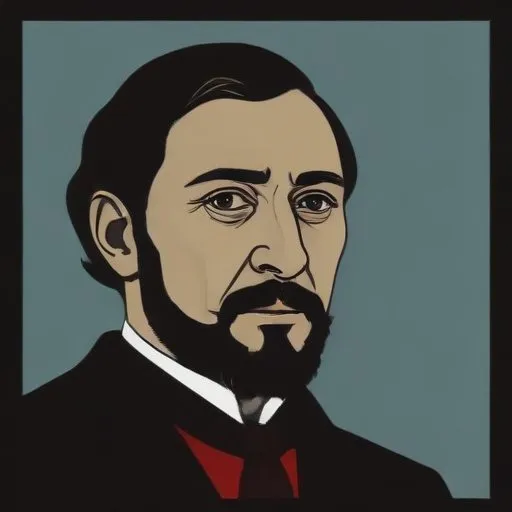
A renowned Russian poet and playwright, known for his whimsical and imaginative children's literature, which has been translated into numerous languages and remains beloved by generations of readers.
Samuil Marshak, a luminary in the realm of Soviet literature, is renowned for his profound contributions to children's literature, earning him the distinction of being the founder of Russia's Soviet children's literature, as proclaimed by Maxim Gorky. Through his remarkable translations of William Shakespeare's sonnets and English poetry, Marshak bridged the cultural divide, making classical works accessible to a new generation.
Born on November 3, 1887, in Voronezh, Russia, to a Jewish family, Marshak was surrounded by a family of literary and intellectual pursuits. His father, a foreman at a soapmaking plant, encouraged his love for learning, providing him with a good home education. Marshak's early years were marked by a thirst for knowledge, and he began writing poetry during his childhood in Voronezh.
Marshak's family moved to Saint Petersburg in 1902, where he faced the challenges of being a Jew in a restrictive society. However, his talent caught the attention of philanthropist and scholar Baron David Gnzburg, who introduced him to the influential critic Vladimir Stasov. Stasov's admiration for Marshak's literary prowess led to an exception from the Pale laws, allowing the family to reside in the city.
Marshak's literary journey was marked by a passion for translation and poetry. He translated the works of William Shakespeare, including sonnets and plays, making them accessible to a Russian audience. His translations of English poetry, including works for children, introduced Russian readers to the world of Western literature.
As a writer, Marshak's works spanned multiple genres, including poetry, plays, and prose. His children's literature, in particular, left an indelible mark on Soviet culture. His works, such as " Twelve Months" and "The Tale of the Silly Mouse", have become classics, captivating the hearts of generations of Russian children.
Marshak's contributions to Soviet literature were recognized through numerous awards and honors. He was awarded the Stalin Prize in 1943 and 1949, and the Order of the Red Banner of Labour in 1957.
Marshak's personal life was marked by close relationships with some of the most influential figures of his time. He was friends with Maxim Gorky, Feodor Chaliapin, and Vladimir Stasov, who played significant roles in shaping his literary career.
Marshak's family was a hub of literary and intellectual pursuits. His siblings, including Moisey, Susanna, Ilya, Liliya, and Yudif, went on to become accomplished writers, economists, and engineers in their own right.
Samuil Marshak's legacy extends far beyond his remarkable literary contributions. He played a pivotal role in shaping Soviet children's literature, creating a foundation for future generations of writers. His translations of classical works continue to inspire and educate readers, while his original works remain beloved classics.
As a testament to his enduring impact, Marshak's works continue to be celebrated and studied, ensuring his place as one of the most significant figures in Soviet literary history.
Samuil Marshak's remarkable life and achievements serve as a testament to the power of literature to inspire and educate. His legacy continues to captivate audiences, ensuring his place as a visionary behind Soviet children's literature.
Born in 1893
A Russian avant-garde artist who revolutionized poetry and theater with his bold, futuristic style and passionate performances. He's most famous for his vibrant, propaganda-inspired posters and poems that captured the spirit of the Russian Revolution.
Born in 1880
A Russian literary giant, known for pioneering the avant-garde movement in literature, blending poetry and prose to create innovative, symbolic works that explored the human experience.
Born in 1890
A Russian literary giant, renowned for his poetic and novelistic masterpieces, including the epic "Doctor Zhivago", which captured the essence of Soviet Russia. His works are a testament to the power of literature in shaping cultural identity.
Born in 1899
A Soviet writer and poet, known for his unique blend of realism and mysticism, exploring the human condition and the Russian Revolution in his works. His writing often blurred the lines between poetry and prose, creating a distinctive style.
Born in 1899
A Russian-born novelist and critic, renowned for crafting intricate, lyrical prose and exploring themes of identity, morality, and the human condition through works like "Lolita" and "Pale Fire".
Born in 1891
A Russian literary mastermind, famous for blending fantasy and realism in works like "The Master and Margarita", which explores the intersection of politics, philosophy, and the human condition.
Born in 1892
A celebrated Russian poet and author, known for his vivid descriptions of nature and poignant portrayals of Soviet life, exploring the human condition through lyrical prose.
