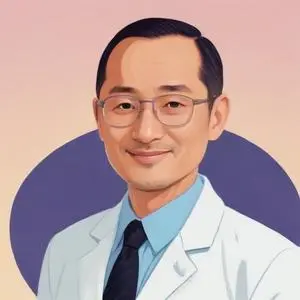
Shinya Yamanaka: The Pioneering Stem Cell Researcher
The Discovery that Revolutionized Medicine
Shinya Yamanaka is a Japanese stem cell researcher and a Nobel Prize laureate, renowned for his groundbreaking discovery that mature cells can be converted to stem cells. This pioneering breakthrough has opened up new avenues for regenerative medicine, enabling the possibility of treating a wide range of diseases and injuries.
Early Life and Education
Born on September 4, 1962, in Higashisaka, Japan, Yamanaka pursued his higher education at Kobe University, graduating with an M.D. degree in 1987. He then went on to earn his Ph.D. degree at Osaka City University, Graduate School of Medicine in 1993.
Professional Career
Yamanaka's professional journey began as a resident in orthopedic surgery at the National Osaka Hospital from 1987 to 1989. He then continued his research at the Gladstone Institute of Cardiovascular Disease in San Francisco, followed by a postdoctoral fellowship. Subsequently, he worked at the Gladstone Institutes in San Francisco and the Nara Institute of Science and Technology in Japan.
The Discovery of Induced Pluripotent Stem Cells (iPSCs)
In 2006, Yamanaka, in collaboration with Kazutoshi Takahashi, made the revolutionary discovery of induced pluripotent stem cells (iPSCs). This breakthrough involved the introduction of four specific genes into adult cells, allowing them to revert back to a pluripotent state, capable of differentiating into various cell types. This achievement has far-reaching implications for the treatment of diseases, tissue engineering, and regenerative medicine.
Awards and Honors
Yamanaka's pioneering work has been recognized with numerous awards and honors, including:
- 2010 BBVA Foundation Frontiers of Knowledge Award in Biomedicine
- 2011 Wolf Prize in Medicine (shared with Rudolf Jaenisch)
- 2012 Millennium Technology Prize (shared with Linus Torvalds)
- 2012 Nobel Prize in Physiology or Medicine (shared with John Gurdon)
- 2013 Breakthrough Prize in Life Sciences
Current Work and Legacy
Yamanaka is currently a professor and director emeritus of the Center for iPS Cell Research and Application (CiRA) at Kyoto University and a senior investigator at the Gladstone Institutes. His continued research focuses on the application of iPSCs in regenerative medicine and the development of novel therapeutic strategies.
Yamanaka's discovery has paved the way for a new era in stem cell research, with its potential to revolutionize the treatment of diseases and injuries. His work serves as an inspiration to scientists and researchers worldwide, driving progress in the field of regenerative medicine.
Philosophical Contributions and Beliefs
Yamanaka's work is not only a testament to his scientific prowess but also reflects his philosophical beliefs. He advocates for the responsible use of stem cell technology, emphasizing the need for ethical considerations in scientific research. His work has sparked a global conversation on the intersection of science, ethics, and humanity.
Personal Milestones and Key Life Events
Yamanaka's journey to becoming a Nobel laureate is a testament to his dedication and perseverance. From his early days as a medical student to his current position as a renowned researcher, Yamanaka's life is a reflection of his unwavering commitment to advancing scientific knowledge.
Yamanaka's story serves as an inspiration to aspiring scientists, highlighting the importance of passion, hard work, and collaboration in achieving greatness. As a pioneer in the field of stem cell research, Yamanaka's legacy continues to shape the future of medicine and beyond.
FAQ
What is Shinya Yamanakas most notable discovery in stem cell research?
Shinya Yamanaka is a Japanese physician and biologist who was awarded the Nobel Prize in Physiology or Medicine in 2012 for his discovery of induced pluripotent stem cells (iPSCs).
How did Shinya Yamanaka develop the concept of iPSCs?
Shinya Yamanakas research focused on identifying the key factors involved in reprogramming adult cells into pluripotent stem cells. He and his team identified four transcription factors that could reprogram adult cells into iPSCs.
What are the potential applications of iPSCs?
Induced pluripotent stem cells have the potential to revolutionize the field of regenerative medicine, allowing for the development of customized cell therapies and tissue engineering. They also provide a powerful tool for disease modeling and drug discovery.
What is Shinya Yamanakas approach to scientific research?
Shinya Yamanaka is known for his meticulous and rigorous approach to scientific research, emphasizing the importance of basic research and collaboration.
Has Shinya Yamanaka received any other awards or recognition for his work?
In addition to the Nobel Prize, Shinya Yamanaka has received numerous other awards and honors for his contributions to stem cell research, including the Kyoto Prize and the Albert Lasker Award.