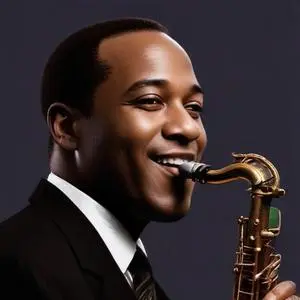
Sonny Stitt: The Saxophonist Who Left an Indelible Mark on Jazz
A Prolific Career and Unique Sound
Sonny Stitt, born Edward Hammond Boatner Jr., was an American jazz saxophonist known for his warm tone and extensive discography, with over 100 albums to his name. He was a master of the bebop and hard bop idioms, and his unique sound continues to inspire generations of jazz musicians.
The Early Years
Born in Boston, Massachusetts, on February 2, 1924, Stitt grew up in Saginaw, Michigan, surrounded by a musical family. His father, Edward Boatner, was a baritone singer, composer, and college music professor, while his brother was a classically trained pianist, and his mother was a piano teacher. Stitt was placed for adoption in 1924 and adopted by the Stitt family in Saginaw, where he later began calling himself Sonny.
Rise to Prominence
Stitt's music career took off in the 1940s when he joined
Tiny Bradshaw's big band, followed by stints with
Billy Eckstine's big band, alongside Gene Ammons and
Dexter Gordon, and
Dizzy Gillespie's big band. During this period, he met
Charlie Parker, with whom he was often compared due to their similar styles.
A Style of His Own
While Stitt was initially seen as a Charlie Parker mimic, he gradually developed his own distinct sound, particularly when performing on tenor saxophone and occasionally baritone saxophone. As
Kenny Clarke, a renowned jazz drummer, once said, "Even if there had not been a Bird, there would have been a Sonny Stitt."
Leadership and Collaborations
Stitt led the Bebop Boys in 1946 and Galaxy in 1948, showcasing his ability to lead and collaborate with other talented musicians. Throughout his career, he worked with a wide range of artists, from jazz legends like
Miles Davis and
Thelonious Monk to blues and rhythm and blues musicians.
The "Lone Wolf" of Jazz
Stitt earned the nickname "the Lone Wolf" from jazz critic Dan Morgenstern due to his tendency to rarely work with the same musicians for long, despite his relentless touring and devotion to his craft. This nomadic approach allowed him to explore different styles and collaborations, further enriching his musical legacy.
Legacy and Impact
Sonny Stitt's contributions to jazz are immeasurable, with a discography that spans over five decades and numerous collaborations with jazz giants. His unique sound and style continue to influence new generations of musicians, solidifying his place as one of the most important and prolific saxophonists in jazz history.
- Notable albums: Kaleidoscope, Sonny Stitt Plays Arrangements from the Pen of Quincy Jones, The Saxophones of Sonny Stitt
- Awards and honors: Grammy nominations for New York Jazz and Blues for Duke
- Influence on modern society: Stitt's music has been featured in films and television shows, introducing his unique sound to new audiences
Tragically, Sonny Stitt passed away on July 22, 1982, but his music lives on, a testament to his boundless energy, creativity, and dedication to the art of jazz.
FAQ
What instrument did Sonny Stitt play?
Sonny Stitt played the saxophone, and was known for his bebop and jazz improvisations, drawing comparisons to Charlie Parker.
What was Sonny Stitts relationship like with Charlie Parker?
Sonny Stitt was often compared to Charlie Parker, and the two saxophonists had a complex relationship, with Stitt sometimes being referred to as a protégé of Parkers.
Did Sonny Stitt record any notable albums?
Yes, Sonny Stitt recorded many notable albums, including Kaleidoscope and Sonny Stitt Plays Jimmy Giuffre Arrangements, which showcased his improvisational skills.
What was Sonny Stitts playing style like?
Sonny Stitts playing style was characterized by his fast-paced, virtuosic solos and his ability to blend bebop with blues and swing influences.
How did Sonny Stitts career impact jazz?
Sonny Stitts career had a significant impact on jazz, helping to popularize bebop and influencing later generations of saxophonists, including John Coltrane and Sonny Rollins.