


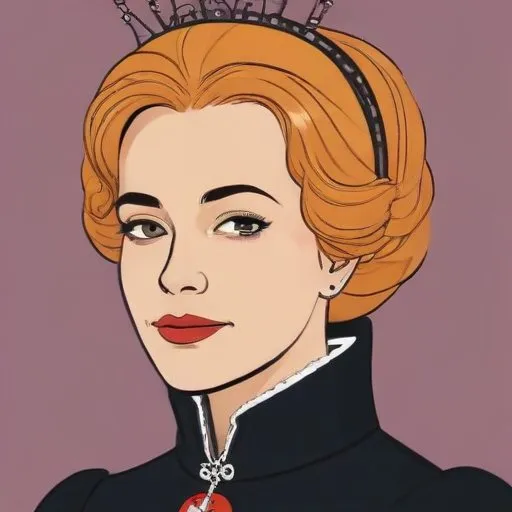
A Polish princess who married into the German royal family and played a significant role in promoting the arts and education in her adopted country. She was a patron of the famous astronomer Nicolaus Copernicus.
Sophia Jagiellon, a member of the esteemed Jagiellonian dynasty, is renowned for her remarkable life as a Polish princess and her subsequent marriage to Frederick I, Margrave of Brandenburg-Ansbach, which solidified her position as a prominent figure in European nobility.
Born on May 6, 1464, in Krakow, Sophia was the second daughter of Grand Duke of Lithuania and King Casimir IV of Poland and his wife Archduchess Elisabeth of Austria, daughter of the German king Albrecht.
Sophia's early life remains somewhat of a mystery, with little information available about her upbringing and education. However, her family's prominent status in European nobility ensured that she was a highly sought-after bride from a young age.
In 1468, Sophia was first betrothed to Archduke Maximilian of Austria, son and heir of Emperor Frederick III. This arrangement was soon replaced by a proposed marriage to King Matthias Corvinus of Hungary, although this too ultimately failed to materialize.
The exact timing of the negotiations for Sophia's marriage to Prince Frederick of Brandenburg is unknown, but it is believed to have begun in the summer of 1470. This union was significant, as it strengthened the ties between the Jagiellonian dynasty and the House of Hohenzollern.
The marriage took place on February 14, 1479, and Sophia went on to become the Margravine of Brandenburg-Ansbach and Brandenburg-Kulmbach.
Sophia's life and marriage played a crucial role in shaping the complex web of alliances and relationships between European noble families during the 15th century.
As a member of the Jagiellonian dynasty, Sophia's life and legacy are intertwined with the history of Poland and Lithuania. Her marriage to Frederick of Brandenburg further solidified the bonds between these nations and the House of Hohenzollern.
Sophia Jagiellon's remarkable life, characterized by her royal heritage and strategic marriages, continues to fascinate historians and scholars alike, offering a glimpse into the intricate world of European nobility during the Renaissance era.
Born in 1566
The Polish and Swedish monarch who ruled from 1587 to 1632, known for his attempts to restore Catholicism in Sweden and his involvement in the Polish-Lithuanian Commonwealth's Golden Age. He played a significant role in shaping the fate of Eastern Europe during the 17th century.
Born in 1595
The Polish king who ruled from 1632 to 1648, known for his military campaigns and cultural achievements, including the establishment of the first Polish opera house. He was a strong leader who promoted arts and education.
Born in 1572
A 17th-century German ruler who united Protestant states and played a key role in the Thirty Years' War, known for his diplomatic and military skills. He strengthened the Hohenzollern dynasty, paving the way for Prussia's rise to power.
Born in 1657
King of Prussia from 1701 to 1713, crowned himself king, and established Berlin as his capital, transforming Prussia into a major power. He's known for his cultural and economic reforms.
Born in 1688
The King of Prussia who ruled with an iron fist, centralizing power and modernizing the state, while also being a patron of the arts and architecture. He's known for his military reforms and frugal lifestyle.
Born in 1670
A powerful Polish king who transformed his country into a major European power through military conquests and cultural achievements, earning him the nickname "the Strong".
