


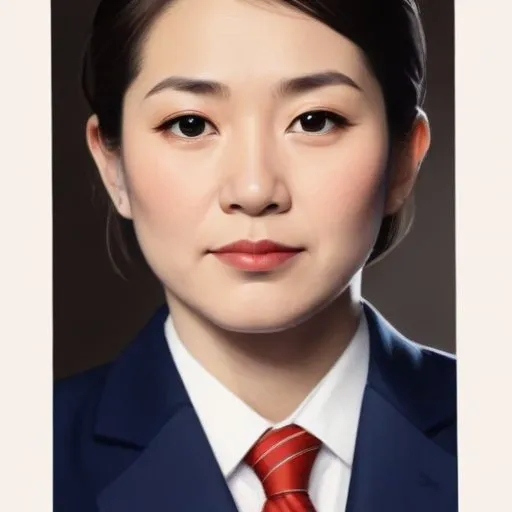
A Japanese politician who served as the Minister of Agriculture and Commerce in the 1920s and was a key figure in the country's early 20th-century economic development. He's also known for his role in establishing the Japanese Chamber of Commerce and Industry.
Taiz Sugimura, a Japanese politician born on August 13, 1979, stunned the nation by becoming the youngest member of the House of Representatives at the age of 26. His unconventional rise to power and candid comments about the perks of being a politician made headlines, earning him both admiration and criticism.
Sugimura's journey to the political arena was far from conventional. He dropped out of the University of Tsukuba in 2004, only to run for office in the 2005 general election as a member of the Liberal Democratic Party (LDP). Against all odds, he secured a seat in the House of Representatives, becoming the youngest member in history.
Sugimura's excitement about the perks of being a politician, including access to high-class restaurants, first-class travel on the Shinkansen, and being able to afford a BMW, sparked controversy. His comments were deemed immature and irresponsible by LDP executives, prompting a public apology on September 27, 2005.
Sugimura's larger-than-life personality also inspired a character in the satirical mahjong manga, Mudazumo Naki Kaikaku. This unexpected turn in the spotlight cemented his status as a household name in Japan.
In his personal life, Sugimura has been open about his relationships and family. He announced his engagement to Aya Kazama on March 14, 2006, and their daughter was born on April 4, 2007. This glimpse into his private life humanized the politician and added to his relatable appeal.
In 2009, Sugimura left the LDP and went on to run as a proportional candidate for the Sunrise Party of Japan in the 2010 House of Councillors election. Although his political career has been marked by ups and downs, Sugimura remains an intriguing figure in Japanese politics.
Love him or criticize him, Taiz Sugimura's unorthodox approach to politics has left an indelible mark on Japan's political landscape. His story serves as a reminder that even the most unexpected individuals can shape the course of history.
Today, Sugimura's legacy continues to inspire and provoke, a testament to the power of unconventional thinking in the world of politics.
Born in 1878
A post-WWII Japanese leader who played a crucial role in rebuilding and democratizing Japan, known for his efforts to restore relations with the West.
Born in 1899
The 58th Prime Minister of Japan, a key figure in Japan's post-war economic growth and international relations, known for his role in shaping the country's modern economy.
Born in 1901
A Japanese politician who served as Prime Minister from 1964 to 1972, known for his efforts to normalize relations with South Korea and winning the Nobel Peace Prize in 1974.
Born in 1918
A Japanese politician who served as Prime Minister from 1972 to 1974, known for his economic policies and corruption scandals. He is infamous for his involvement in the Lockheed bribery scandal.
Born in 1905
The 67th Prime Minister of Japan, serving from 1976 to 1978, known for his efforts to improve Japan's relations with Southeast Asia and his role in normalizing Japan's relations with China.
