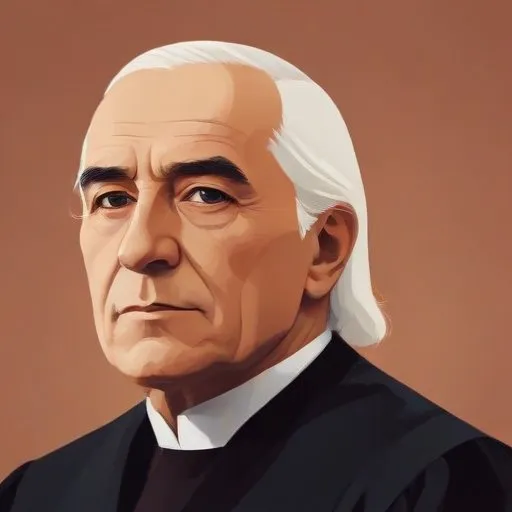
Theobald von Bethmann Hollweg: The German Chancellor who Navigated the Tides of War and Politics
A Life of Public Service and Statesmanship
Theobald von Bethmann Hollweg, a German politician, is best known for his tenure as Chancellor of the German Empire from 1909 to 1917, during which he oversaw Germany's entry into World War I and played a pivotal role in its first three years. As Chancellor, he implemented various reforms, walked the tightrope of balancing the interests of the military, politicians, and the people, and left an indelible mark on German history.
Rise to Prominence
Born on November 29, 1856, Bethmann Hollweg's early life was marked by a strong sense of duty and public service. He embarked on a career in the Prussian government in 1884, rapidly rising through the ranks to become the provincial governor of Brandenburg in 1899, Prussian minister of the interior in 1905, and Reich secretary of the interior in 1907. A brief stint as a member of the Reichstag in 1890 instilled in him a sense of independence, leading him to adopt a moderate political stance that would define his later years.
A Chancellor of Contrasts
Emperor Wilhelm II appointed Bethmann Hollweg as Reich Chancellor in 1909, drawn to his conciliatory political style. As Chancellor, he walked a tightrope between liberalization and Conservatism. He supported reforms, such as the reform of Prussia's three-class franchise, but also firmly believed in the parliamentary monarchy as the best form of government for Germany. Controversially, he granted a constitution to Alsace-Lorraine in 1911, angering Conservatives, and was censured by liberal parties in 1913 for supporting the military during the Zabern Affair.
Foreign Policy and the Onset of War
Bethmann Hollweg's inexperience in foreign affairs led him to give free rein to his foreign secretary, which contributed to the escalation of tensions leading up to World War I. He sought accommodation with Great Britain over the naval arms race, but failed to reach a compromise. As Chancellor, he supported Germany's harsher policies during the war, believing them necessary for the country's survival.
Legacy and Historical Context
Bethmann Hollweg's legacy is complex and multifaceted. He was a statesman who navigated the treacherous waters of politics and war, often finding himself at the center of controversy. His moderate stance and attempts at reform earned him both praise and criticism from contemporaries. As a historical figure, he serves as a testament to the tumultuous era in which he lived, and his story provides valuable insights into the intricacies of German politics during the early 20th century.
Personal Life and Milestones
- Born on November 29, 1856, in Hohenfinow, Brandenburg, Prussia
- Member of the Reichstag in 1890
- Provincial governor of Brandenburg from 1899 to 1905
- Prussian minister of the interior from 1905 to 1907
- Reich secretary of the interior from 1907 to 1909
- Chancellor of the German Empire from 1909 to 1917
- Died on January 1, 1921, in Hohenfinow, Brandenburg, Prussia
Comparative Analysis with Contemporaries
Bethmann Hollweg's moderate stance and attempts at reform set him apart from his contemporaries. Unlike the more hawkish leaders of the time, he sought to balance the interests of various factions, a trait that earned him both admiration and criticism. His legacy serves as a counterpoint to the more radical ideologies that dominated the era, offering a nuanced understanding of the complexities of German politics during World War I.
Final Thoughts
Theobald von Bethmann Hollweg's life and legacy serve as a testament to the complexities of politics, war, and leadership. As a statesman, he navigated the treacherous waters of international relations, domestic politics, and war, leaving behind a legacy that continues to fascinate and educate historians and scholars today.
FAQ
What was Theobald von Bethmann Hollwegs role in German politics?
Theobald von Bethmann Hollweg served as the 5th Chancellor of Germany from 1909 to 1917, playing a critical role in shaping German politics during the early 20th century.
What were Theobald von Bethmann Hollwegs foreign policy achievements?
Bethmann Hollweg navigated complex international relations, maintaining a delicate balance between Germanys alliances and rivalries, particularly during the Balkan Wars.
How did Theobald von Bethmann Hollweg respond to the outbreak of World War I?
Bethmann Hollweg initially supported the Austro-Hungarian ultimatum to Serbia, leading to Germanys involvement in World War I.
What was Theobald von Bethmann Hollwegs relationship with Kaiser Wilhelm II?
Bethmann Hollweg maintained a complex and often contentious relationship with Kaiser Wilhelm II, frequently clashing over military and foreign policy decisions.
What was Theobald von Bethmann Hollwegs legacy in German politics?
Despite controversies surrounding his leadership, Bethmann Hollweg is remembered for his diplomatic efforts to maintain peace and his attempts to reform the German political system.