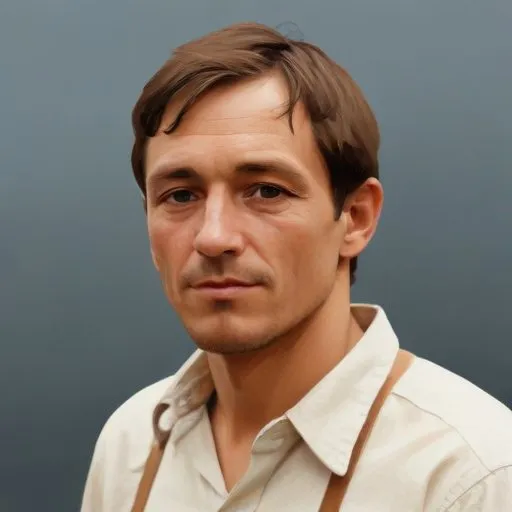
Theodore Robinson: A Pioneer of American Impressionism
The Artistic Visionary
Theodore Robinson, an American painter, is renowned for his captivating Impressionist landscapes that evoke a sense of serenity and tranquility. Born on June 3, 1852, in Irasburg, Vermont, Robinson's artistic journey would take him to the heart of France, where he would become one of the first American artists to adopt the Impressionist style.
Early Life and Training
Robinson's family moved to Evansville, Wisconsin, where he developed an interest in art. He briefly studied art in Chicago before moving to New York City in 1874 to attend classes at the National Academy of Design and the Art Students League. His pursuit of artistic excellence led him to Paris in 1876, where he trained under Carolus-Duran and Jean-Léon Gérôme at the École des Beaux-Arts.
Rise to Prominence
Robinson's artistic talents were first showcased at the 1877 Salon in Paris. He spent the summer of that year at Grez-sur-Loing, a picturesque village that would inspire many of his future works. After traveling to Venice and Bologna, he returned to the United States in 1879, where he established himself as a professional painter and art teacher.
Giverny and the Birth of American Impressionism
In 1884, Robinson returned to France, where he would spend the next eight years. It was during this period that he discovered Giverny, a small village that had become a hub for French Impressionist art. Robinson's friendship with
Claude Monet, a leading figure in the Impressionist movement, had a profound impact on his artistic style. Under Monet's influence, Robinson's work shifted towards a more traditional Impressionist manner, characterized by soft brushstrokes and an emphasis on capturing light.
A Pioneer of American Impressionism
Robinson's work during this period is considered some of the finest examples of American Impressionism. His paintings, such as
Capturing the Light and
Giverny Landscape, showcase his ability to capture the essence of the Impressionist style. His unique blend of American and French influences helped pave the way for future American artists.
Personal Milestones and Key Life Events
- 1874: Moved to New York City to attend classes at the National Academy of Design and the Art Students League.
- 1876: Traveled to Paris to study under Carolus-Duran and Jean-Léon Gérôme.
- 1877: Exhibited his paintings at the Salon in Paris.
- 1881: Became a member of the Society of American Artists.
- 1884: Returned to France, where he spent the next eight years.
- 1888: Moved to Giverny, where he befriended Claude Monet.
Legacy and Impact
Theodore Robinson's contribution to American Impressionism is immeasurable. His work not only showcased the beauty of the Impressionist style but also paved the way for future generations of American artists. Today, his paintings are considered masterpieces of American Impressionism, and his legacy continues to inspire artists around the world.
Quotes and Memorable Sayings
"The beauty of art lies in its ability to evoke emotions, to transport us to a different world."
Comparative Analysis with Contemporaries
Robinson's work is often compared to that of Claude Monet, with whom he shared a close friendship. While both artists were masters of Impressionism, Robinson's unique blend of American and French influences set him apart from his contemporaries.
Awards and Honors
Robinson's work was recognized during his lifetime, with many of his paintings receiving critical acclaim. Today, his paintings are highly sought after by collectors and museums around the world.
Influence on Modern Society
Theodore Robinson's Impressionist landscapes continue to captivate audiences today, inspiring a new generation of artists and art lovers alike. His work serves as a reminder of the power of art to evoke emotions and transport us to a different world.
FAQ
What artistic movement was Theodore Robinson associated with?
Theodore Robinson was associated with the Barbizon school of painting, which emphasized the depiction of landscapes and the natural world in a realistic and expressive manner.
What techniques did Theodore Robinson use in his paintings?
Theodore Robinson used techniques such as broken color and optical mixing to create vibrant, impressionistic effects in his paintings, often capturing the fleeting effects of light and atmosphere.
How did Theodore Robinsons experiences influence his art?
Theodore Robinsons experiences as a traveling artist and a member of the American expatriate community in France influenced his art, as he drew upon his observations of the European landscape and culture to craft his unique style.
What was Theodore Robinsons role in American art?
Theodore Robinson played a significant role in American art, serving as a bridge between the traditional American landscape painting and the emerging Impressionist movement.
What is Theodore Robinsons legacy in American art?
Theodore Robinsons legacy in American art is that of a pioneering figure, who helped to introduce Impressionism to the United States and pave the way for future generations of American artists.