


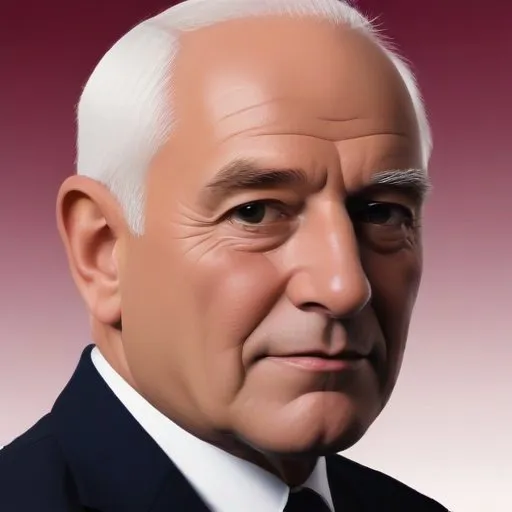
The 24th Premier of New South Wales, serving from 1927 to 1930, known for his conservative policies and efforts to stabilize the economy during the Great Depression.
Thomas Bavin is renowned for his remarkable stint as the Premier of New South Wales from 1927 to 1930, leading the Nationalist Party to victory in a coalition with the Country Party. During his tenure, he implemented several significant reforms, cementing his legacy as a visionary leader in Australian politics.
Born on May 5, 1874, in Kaiapoi, New Zealand, Bavin was the son of a Methodist minister. He moved to Sydney with his family at the age of 15 and enrolled at Newington College. He later attended the University of Sydney, where he graduated with a BA in 1894 and LL.B in 1897, winning the University Medal in the process.
Called to the New South Wales Bar in 1897, Bavin became involved in the cause of Australian Federation. He unsuccessfully stood for the Legislative Assembly seat of Canterbury on a pro-Federation platform in 1898. After lecturing in law at the University of Tasmania in 1900, Bavin returned to Sydney and married Edyth Winchcombe, the daughter of Frederick Winchcombe, a member of the New South Wales Legislative Assembly and Council.
Bavin's political career gained momentum when he served as personal secretary to Australia's first two prime ministers, Edmund Barton and Alfred Deakin. He was elected to the New South Wales Legislative Assembly in 1917 and served two terms as Attorney General of New South Wales from 1921 to 1925.
During his premiership, Bavin introduced several key reforms, including the establishment of the NSW Institute of Technology and the expansion of the state's rural electrification program. His government also implemented significant changes to the state's education system, including the introduction of compulsory education for children between the ages of 6 and 14.
Bavin was a devout Anglican and was known for his strong sense of social justice. He was also an avid sportsman and enjoyed playing cricket and tennis.
Thomas Bavin's contributions to Australian politics and society continue to be felt today. His legacy as a visionary premier and champion of education and rural development has inspired generations of Australians. He passed away on August 31, 1941, leaving behind a legacy that continues to shape the fabric of New South Wales.
Born in 1889
The 25th Premier of New South Wales, a skilled accountant and politician, led the state's government and implemented significant reforms. He's most known for his economic policies and infrastructure development.
Born in 1877
The 21st Premier of New South Wales, a pioneering figure in Australian politics, who played a crucial role in shaping the country's early development and infrastructure. He's most known for his progressive reforms and nation-building initiatives.
Born in 1869
The 20th Premier of New South Wales, serving from 1920 to 1921, known for his brief but significant tenure during a time of post-war reconstruction and industrial unrest.
Born in 1861
The 22nd Premier of New South Wales, serving from 1921 to 1922, known for his brief but significant tenure during a period of post-war reconstruction and industrial unrest.
Born in 1857
The 16th Premier of New South Wales, a key figure in Australian politics, known for his significant contributions to the country's education and infrastructure development. He played a crucial role in shaping the state's future during his tenure from 1904 to 1907.
Born in 1871
The 19th Premier of New South Wales, a key figure in Australian politics, known for his contributions to the country's development during the late 19th century. He played a significant role in shaping the state's infrastructure and economy.
62 Years Old
South Korean-American football player who played as a midfielder for the South Korea national team and various clubs, including the LA Galaxy. He's known for his speed and agility on the field.
