


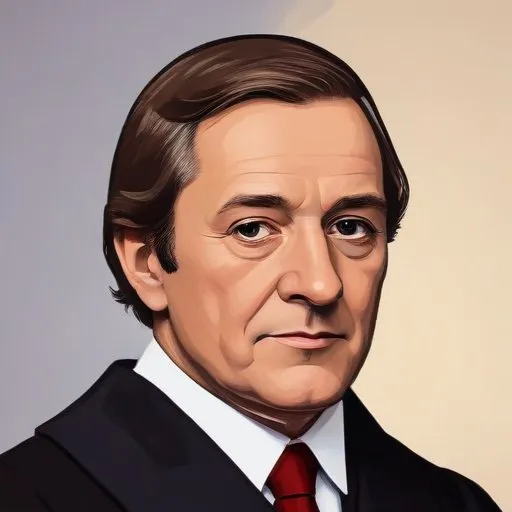
Developed the single transferable vote system, a proportional representation voting method still used today in many countries. Known for his work on electoral reform and democracy.
Thomas Hare, an English lawyer, mathematician, and philosopher, is renowned for his pioneering work in developing the Single Transferable Vote (STV) system, a proportional representation method that empowers voters to elect representatives in multi-seat constituencies.
Born in 1806 in England, Hare was educated at Trinity College, Cambridge, and later pursued a career in law. His encounter with the electoral system's shortcomings during the 1850s sparked his interest in reform, driving him to dedicate his life to developing a more equitable and representative electoral process.
Hare's groundbreaking work, "The Machinery of Representation," published in 1857, introduced the concept of STV. This innovative system enables voters to rank candidates in order of preference, allowing for the election of multiple representatives in a single constituency. This approach ensures a more proportional representation of the electorate, reducing the distortion caused by traditional first-past-the-post systems.
Hare's work was deeply rooted in his philosophical convictions. He believed that true representation required a system that could accurately reflect the diverse opinions and interests of the electorate. His STV system embodied this principle, providing a platform for minority voices to be heard and represented.
Hare's work has had a profound influence on electoral systems globally. The STV system has been implemented in various forms in countries such as Ireland, Australia, and Scotland. His ideas have inspired generations of electoral reformers, contributing to the evolution of more representative and inclusive democratic systems.
Hare's work was contemporaneous with that of John Stuart Mill, another prominent advocate for electoral reform. While both thinkers shared concerns about the limitations of traditional electoral systems, Hare's focus on proportional representation and the development of STV set him apart as a pioneer in the field.
Thomas Hare's contributions have had a lasting impact on democratic systems, ensuring that his work remains relevant today. His commitment to electoral reform continues to inspire scholars, policymakers, and citizens around the world, striving for more representative and equitable systems of governance.
Born in 1806
A prominent 19th-century thinker who championed individual liberty, free speech, and women's rights, and is best known for his influential book "On Liberty".
Born in 1748
Developed the concept of utilitarianism, which aims to maximize overall happiness and well-being, and is considered the founder of modern welfare economics.
Born in 1773
A Scottish historian, economist, and philosopher who contributed significantly to the development of classical economics, utilitarianism, and the British East India Company, shaping modern economic thought.
Born in 1811
A prominent figure in the Anti-Corn Law League, he advocated for free trade and social reform, playing a significant role in shaping Britain's economic and political landscape.
Born in 1809
A British statesman who served as Prime Minister four times, known for his liberal policies and efforts to reform the British Empire. He's also famous for his rivalry with Benjamin Disraeli.
Born in 1871
Prolific writer of historical novels and adventure stories, also a talented landscape painter.
Born in 1863
A Welsh lawyer and politician who served as Prime Minister of the United Kingdom, leading the country through World War I and introducing key social reforms. He's known for his charismatic leadership and progressive policies.
