


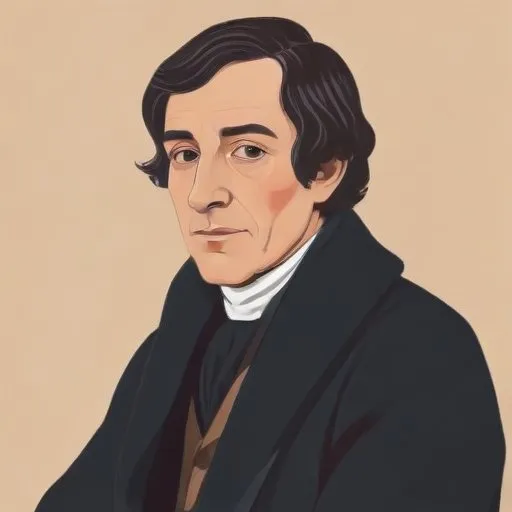
A prominent literary figure of the 18th century, known for his poetry and historical writings, particularly his influential work on English literature and art. He was also a notable critic and professor of poetry at Oxford University.
Thomas Warton, a renowned English literary historian, critic, and poet, is best known for his somber and evocative poetry, earning him the title of Poet Laureate in 1785. His magnum opus, "The Pleasures of Melancholy," is a seminal work of the Graveyard Poets, a group of 18th-century poets who explored the themes of mortality, decay, and the human condition.
Warton was born on January 9, 1728, in Basingstoke, Hampshire, to a family of poets. His father, Thomas Warton the Elder, and his brother, Joseph Warton, were both notable poets in their own right. Warton's early education was provided by his father at home, where he developed a strong predilection for writing poetry. He demonstrated his prodigious talent by translating one of Martial's epigrams at the tender age of nine.
In 1744, Warton enrolled in Trinity College, Oxford, where he graduated in 1747. He became a Fellow of the college and was appointed Poet Laureate of Oxford in 1747 and again in 1748. During his time at Oxford, Warton developed his skills as a poet and critic, eventually becoming Professor of Poetry in 1757, a position he held for ten years.
In 1771, Warton was appointed rector of Kiddington in Oxfordshire, a position he held until his death in 1790. His duties as rector did not deter him from his academic pursuits, and in 1785, he was appointed Camden Professor of History, in addition to being named Poet Laureate.
Warton's scholarship had a profound impact on the literary world. Along with his brother, Joseph, he was one of the first to argue that Sir Thopas, a work by Geoffrey Chaucer, was a parody. Additionally, Warton contributed significantly to the ballad revival, a movement that sought to revive interest in traditional folk ballads.
Warton was a vocal supporter of fellow poets, including Thomas Gray, whose work he admired greatly. This admiration was not without controversy, as Samuel Johnson satirized Warton's support of Gray in his parody "Hermit hoar, in solemn cell."
In addition to his poetry, Warton produced several minor works, including an edition of Theocritus and a selection of Latin and Greek inscriptions. He also wrote the humorous "Oxford Companion to the Guide and Guide to the Companion."
Thomas Warton's legacy is that of a poet, critic, and scholar who made significant contributions to the literary world. His poetry, marked by its melancholic tone and introspective nature, continues to be studied and admired to this day.
Born in 1846
A Nigerian priest and historian who wrote the first comprehensive history of the Yoruba people, providing valuable insights into their culture and traditions.
Born in 1631
A dominant literary figure of the Restoration era, known for his influential poetry, plays, and critical essays that shaped the English literary landscape. He's often credited with creating a new style of heroic drama and satire.
Born in 1608
Wrote epic poems, including "Paradise Lost", that explored themes of morality, free will, and the human condition.
Born in 1770
A major Romantic poet, known for his focus on nature, emotion, and the human experience, creating works that evoke a sense of wonder and connection to the natural world.
Born in 1772
A leading figure of the Romantic movement, he crafted vivid, imaginative poetry and explored the human experience through his writing and philosophical ideas. His works continue to inspire and influence literature and art to this day.
Born in 1774
A leading Romantic poet and historian, known for his vivid storytelling and influential works on British history, particularly his three-volume "Life of Nelson".
Born in 1731
A renowned poet and hymnwriter, known for his evocative and expressive works that explored themes of nature, faith, and the human experience. His hymns, such as "Light Shining Out of Darkness", remain popular to this day.
