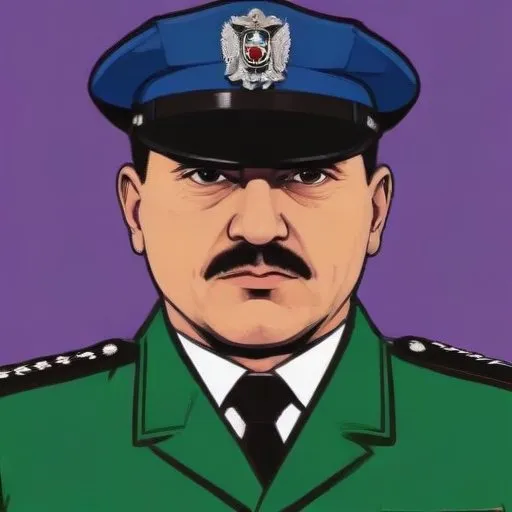
Todor Zhivkov: The Iron-Fisted Leader of Bulgaria's Communist Era
A Life of Unwavering Dedication to the Communist Cause
Todor Zhivkov, the Bulgarian statesman who served as the de facto leader of the People's Republic of Bulgaria from 1954 to 1989, is remembered as one of the longest-serving leaders in the Eastern Bloc. As the General Secretary of the Bulgarian Communist Party, Zhivkov's tenure was marked by unwavering loyalty to the Soviet Union and a mix of authoritarian rule and economic stability.
Early Life and Resistance Movement
Born on September 7, 1911, in Pravets, Bulgaria, Zhivkov's early life was shaped by his involvement in the country's resistance movement during World War II. He participated in the People's Liberation Insurgent Army and played a key role in organizing the Chavdar partisan detachment in his hometown. His bravery and leadership skills earned him the position of deputy commander of the Sofia operations area in 1944.
Rise to Power and Authoritarian Rule
Zhivkov's rise to power began in 1945 when he became a member of the Bulgarian Communist Party's Central Committee. He quickly climbed the ranks, becoming First Secretary in 1954 and General Secretary in 1981. During his rule, Zhivkov maintained a tight grip on power, suppressing dissent and opposition through a mixture of propaganda, surveillance, and repression.
Economic Stability and Submission to the Soviet Union
Zhivkov's administration is often credited with bringing unprecedented economic stability to Bulgaria. He fostered close ties with the Soviet Union, ensuring a steady flow of economic aid and investment. However, this came at the cost of Bulgaria's independence, with the country becoming increasingly dependent on Soviet support.
Domestic and Foreign Policy
Zhivkov's domestic policy focused on rapid industrialization, agricultural collectivization, and the promotion of communist ideology. He implemented a series of five-year plans, aiming to transform Bulgaria into a modern, industrialized state. On the foreign policy front, Zhivkov sought to expand ties with the West, while maintaining a strong alliance with the Soviet Union.
Decline and Resignation
As the 1980s unfolded, Zhivkov's rule began to show signs of vulnerability. The economic situation stagnated, corruption and careerism within the Communist Party grew, and the international image of Bulgaria suffered. On November 10, 1989, Zhivkov resigned, marking the end of his 35-year rule.
Legacy and Historical Context
Todor Zhivkov's legacy is complex and multifaceted. While he brought economic stability and modernization to Bulgaria, his authoritarian rule and suppression of dissent are heavily criticized. His unwavering loyalty to the Soviet Union also raises questions about Bulgaria's independence during his tenure.
Personal Life and Milestones
Zhivkov was known for his strong personality and unwavering commitment to the communist cause. He was married to Mara Maleeva, and the couple had one daughter, Lyudmila. Throughout his life, Zhivkov received numerous awards and honors, including the title of Hero of the People's Republic of Bulgaria.
Controversies and Public Perception
Zhivkov's rule was marred by controversy, including allegations of corruption, human rights abuses, and repression of dissent. His public image was often criticized for being authoritarian and out of touch with the people.
Comparative Analysis with Contemporaries
Zhivkov's rule can be compared to that of other Eastern Bloc leaders, such as Nicolae Ceaușescu of Romania and
Erich Honecker of East Germany. While sharing similarities in their communist ideology and authoritarian style, each leader left their unique mark on their respective countries.
Impact on Modern Society and Pop Culture
Zhivkov's rule and legacy continue to influence Bulgarian society and politics today. His authoritarian style and economic policies have shaped the country's trajectory, while his suppression of dissent has led to ongoing debates about democracy and human rights. In popular culture, Zhivkov has been portrayed in films, literature, and art, often symbolizing the complexities and contradictions of Bulgaria's communist past.