


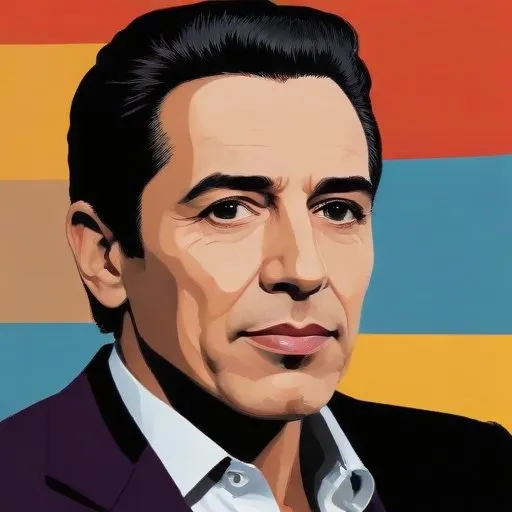
A pioneering figure in American entertainment, known for popularizing vaudeville and owning several theaters, showcasing a diverse range of acts and performers.
Tony Pastor, also known as the "Dean of Vaudeville," was a renowned American impresario, variety performer, and theater owner who played a crucial role in shaping the landscape of American vaudeville in the mid-to-late 19th century. He revolutionized the entertainment industry by introducing a clean and family-friendly genre of vaudeville, characterized by a strong commitment to attracting a mixed-gender audience.
Born on May 28, 1837, in Manhattan, New York, Tony Pastor was the son of Antonio Pastor, a fruitseller, barber, and violinist from Spain, and Cornelia Buckley, from New Haven, Connecticut. Growing up in a family with a strong inclination towards the arts, Pastor was exposed to the world of entertainment from a young age. He began producing his own plays in the basement of his family's home, showcasing his creativity and passion for performance.
In 1846, Pastor embarked on a career in show business, starting as a singer at P.T. Barnum's Scudder's American Museum. He honed his skills in minstrel shows, often performing in blackface, and soon became a celebrated singing clown. As his popularity grew, he transitioned into variety revues, which concluded circus performances.
Pastor's innovative approach to entertainment led him to create a new genre that would come to be known as vaudeville. By "cleaning up" bawdy variety acts, he made performances more family-friendly, paving the way for a new era of entertainment. This format, characterized by its almost jingoistic brand of United States patriotism, appealed to a broad audience, including women, who were previously excluded from male-oriented variety halls.
A collection of Pastor's papers is preserved at the Harry Ransom Humanities Research Center at the University of Texas in Austin and the New York Public Library for the Performing Arts. His impact on American entertainment is still felt today, earning him the title of "Dean of Vaudeville."
Pastor's commitment to creating a more inclusive and family-friendly entertainment environment reflected his values of social responsibility and respect for his audience. By "cleaning up" vaudeville, he demonstrated that entertainment could be both enjoyable and morally upright.
Tony Pastor's legacy extends beyond the realm of entertainment. His innovative approach to vaudeville paved the way for future generations of performers, producers, and entrepreneurs. His emphasis on creating a welcoming environment for women and families helped to break down social barriers, making entertainment more accessible to a broader audience.
"A clean show is a successful show."
"The audience is the most important critic."
Tony Pastor's contributions to American entertainment have been recognized and celebrated by his peers and subsequent generations. His legacy continues to inspire and influence the entertainment industry today.
Tony Pastor's life and career spanned a pivotal period in American history, marked by rapid industrialization, urbanization, and social change. His innovative approach to entertainment helped to shape the cultural landscape of the time, paving the way for future generations of performers and entrepreneurs.
Born in 1878
A legendary entertainer who wrote and performed iconic patriotic songs, including "You're a Grand Old Flag" and "Over There," and was a pioneer of American musical theater.
Born in 1888
A legendary composer and pianist who wrote over 1,500 songs, including iconic American standards like "God Bless America" and "White Christmas", shaping the Great American Songbook.
Born in 1886
A legendary performer who charmed audiences with his powerful voice and charismatic stage presence, starring in the first "talkie" film, The Jazz Singer, and popularizing jazz and blues music.
Born in 1892
A popular entertainer of the 1920s-1940s, known for his charismatic stage presence, catchy songs, and comedic timing, starring in films, Broadway shows, and radio programs.
Born in 1880
A legendary comedian and actor who brought laughter to millions with his witty one-liners, sarcastic humor, and iconic film roles, leaving a lasting impact on American comedy.
Born in 1889
A pioneer of silent film, he is renowned for his iconic "Little Tramp" character and groundbreaking work in writing, directing, and starring in his own movies.
Born in 1893
Pioneering silent film star and stunt master, known for performing daring physical comedy and iconic scenes, such as hanging from a clock tower.
Born in 1895
A pioneering silent film comedian, known for his deadpan expression and ingenious physical comedy, who wrote, directed, and starred in his own films.
