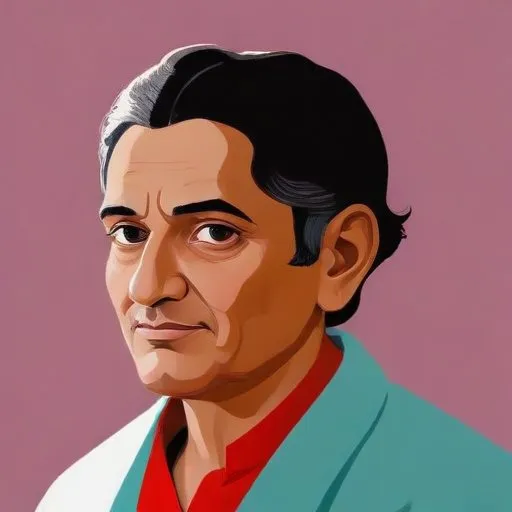
Umashankar Joshi: The Legendary Gujarati Poet and Scholar
Umashankar Joshi, a stalwart of Gujarati literature, is renowned for his profound contributions to the world of poetry, playwrights, and scholarly works. His literary masterpieces have left an indelible mark on the cultural landscape of India, earning him the reputation as one of the most celebrated Gujarati writers of the 20th century.
Early Life and Education
Born on July 21, 1911, in the village of Bamna, Gujarat, Umashankar Joshi was the son of Jethalal Kamalji and Navalbai. His father, a Karbhari of several Jagirs, instilled in him the value of education, which would later shape his literary pursuits. Joshi's early education began in Bamna, where he spent two years in the 4th standard due to the absence of a teacher. This brief setback did not deter him, and he eventually joined Sir Pratap High School in Idar, where his linguistic skills and flair for writing began to take shape.
The Formative Years
Ahmedabad, a city that was part of British India, became Joshi's gateway to higher education. He joined Proprietary High School in 1927, which introduced him to the rich heritage of Gujarati literature. This newfound awareness sparked a sense of social and political consciousness within him. His college days at Gujarat College, Ahmedabad, were punctuated by the publication of his earliest poems, penned at the tender age of 17.
Literary Contributions
Umashankar Joshi's literary output is a testament to his boundless creativity and intellectual curiosity. His works encompass a wide range of genres, including poetry, plays, and essays. His poetry, characterized by its lyrical quality and nuanced exploration of human emotions, has been widely acclaimed. Some of his notable works include
Abhijat,
Snehdhara, and
Jivanved. His plays, such as
Kailashnath and
Khodu Purush, have been performed on stage, earning him recognition as a master playwright.
Awards and Honors
Umashankar Joshi's contributions to Gujarati literature have been recognized and rewarded with several prestigious awards. He was awarded the
Ranjan Puraskar in 1939 for his literary masterpiece,
Abhijat. He also received the
Jnanpith Award in 1967, India's highest literary honor, for his outstanding contributions to Gujarati literature.
Legacy
Umashankar Joshi's legacy extends beyond the realm of literature. He has inspired generations of writers, scholars, and artists. His works have been translated into various languages, making him a household name across India. His literary masterpieces continue to be studied and revered, ensuring his place among the pantheon of great Indian writers.
Personal Life and Milestones
Umashankar Joshi's life was marked by personal milestones and key events that shaped his literary journey. He was married to Sarojben Joshi, and the couple had two sons, Chirag and Prabodh. Joshi's village upbringing and his excursions to hilly areas of Aravalli had a profound impact on his language and writing style.
Influence on Modern Society
Umashankar Joshi's impact on modern society is multifaceted. His literary works have influenced the cultural and social fabric of Gujarat, shaping the identity of the state. His contributions to Gujarati literature have paved the way for future generations of writers, ensuring the continued growth and evolution of the language.
Conclusion
Umashankar Joshi's life and works are a testament to his unwavering dedication to the world of literature. His legacy continues to inspire and influence writers, scholars, and artists, cementing his place as one of the most revered figures in Gujarati literature.
FAQ
What is Umashankar Joshis contribution to Gujarati literature?
Umashankar Joshi is a renowned Gujarati writer who contributed significantly to the development of Gujarati literature. His work, characterized by its lyricism and depth, explores themes of love, nature, and social justice.
What is Umashankar Joshis style of writing?
Umashankar Joshis writing style is characterized by its lyricism, simplicity, and use of symbolism. His poetry is known for its musical quality and exploration of the human experience.
How did Umashankar Joshi influence Gujarati literature?
Umashankar Joshi influenced Gujarati literature by introducing new themes and styles that resonated with readers. His work has inspired generations of Gujarati writers and continues to shape the development of Gujarati literature.
What awards did Umashankar Joshi receive for his contributions?
Umashankar Joshi received numerous awards for his contributions to Gujarati literature, including the Jnanpith Award and the Sahitya Akademi Award.
What is Umashankar Joshis legacy in Indian literature?
Umashankar Joshis legacy in Indian literature is that of a pioneering writer who enriched Gujarati literature and contributed to the development of Indian literature as a whole.