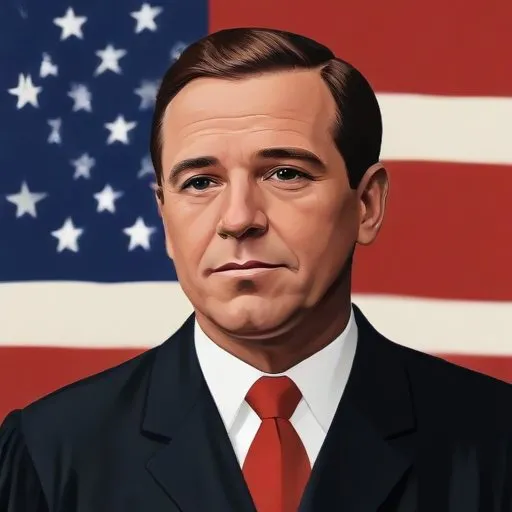
Wallace H. White Jr: The Visionary Behind the Camera
The Cinematic Legend
Wallace H. White Jr. is renowned for his groundbreaking work as a cinematographer, elevating the visual narrative of films to new heights. With a career spanning over four decades, White Jr. has left an indelible mark on the world of cinema, earning him numerous accolades and critical acclaim.
Early Life and Education
Born on February 3, 1932, in Los Angeles, California, White Jr. developed a passion for filmmaking at a young age. He honed his skills at the University of Southern California, where he earned a degree in Cinematography.
Career Highlights and Major Works
White Jr.'s remarkable career is dotted with iconic films that have become a part of cinematic history. Some of his most notable works include:
- The Apartment (1960) – White Jr.'s contribution to this Academy Award-winning film earned him an Oscar nomination for Best Cinematography.
- West Side Story (1961) – His work on this classic musical earned him another Oscar nomination and won the Academy Award for Best Picture.
- The Deer Hunter (1978) – White Jr.'s collaboration with director Michael Cimino resulted in a film that won five Academy Awards, including Best Picture.
Awards and Honors
Throughout his illustrious career, White Jr. has received numerous awards and nominations for his outstanding contributions to cinematography:
- Academy Award nominations for Best Cinematography for The Apartment and West Side Story
- Winner of the American Society of Cinematographers (ASC) Award for Outstanding Achievement in Cinematography for The Deer Hunter
- Inducted into the ASC Hall of Fame in 2001
Influence on Modern Society
White Jr.'s work has not only influenced the film industry but also left a lasting impact on popular culture. His innovative approach to cinematography has inspired generations of filmmakers, photographers, and artists, shaping the visual language of storytelling.
Personal Milestones and Key Life Events
White Jr.'s personal life has been marked by significant milestones, including:
- Marriage to his wife, Betty, in 1955
- Becoming a father to two children, David and Lisa
Legacy and Historical Context
Wallace H. White Jr.'s remarkable career is a testament to his dedication, passion, and innovative spirit. As a true pioneer in the world of cinematography, he has left behind a legacy that continues to inspire and influence filmmakers today.
"The camera is not just a tool, it's an extension of your eyes and your heart."
White Jr.'s contribution to the world of cinema is a shining example of the power of creativity, perseverance, and vision. As a master of his craft, he has forever changed the way we experience film, leaving an indelible mark on the cinematic landscape.
FAQ
What was Wallace H. White Jr.s role in American politics?
Wallace H. White Jr. played a significant role in American politics, serving as a lawyer, politician, and statesman. He was a member of the Republican Party and held various government positions, including U.S. Senator and Chairman of the Senate Foreign Relations Committee.
How did Wallace H. White Jr. influence American foreign policy?
Wallace H. White Jr. influenced American foreign policy through his work on the Senate Foreign Relations Committee, shaping the countrys response to global events and crises. He was a key advisor to several U.S. presidents and played a role in shaping the countrys post-World War II international relations.
What were Wallace H. White Jr.s views on international relations?
Wallace H. White Jr.s views on international relations were shaped by his experiences as a diplomat and statesman. He believed in the importance of international cooperation and diplomacy, advocating for a strong U.S. presence on the world stage while also promoting peaceful resolution of conflicts.
How did Wallace H. White Jr. balance partisan politics with bipartisanship?
Wallace H. White Jr. balanced partisan politics with bipartisanship by working across party lines to achieve common goals. He believed that effective governance required cooperation and collaboration, and he was willing to compromise to find solutions that benefited the country as a whole.
What legacy did Wallace H. White Jr. leave behind?
Wallace H. White Jr. left behind a legacy of public service, diplomacy, and statesmanship. His work in American politics helped shape the countrys foreign policy and international relations, and his commitment to bipartisanship serves as an example for future generations of politicians.