


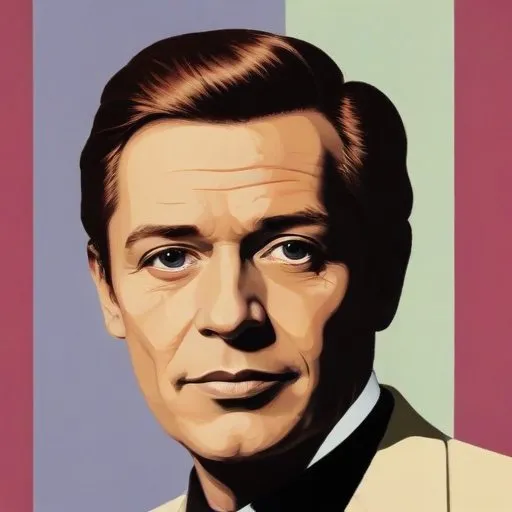
A Dutch composer and critic who made significant contributions to the development of modern classical music, blending traditional and avant-garde styles.
Willem Pijper was a renowned Dutch composer, music critic, and teacher, celebrated as one of the most important Dutch composers of the 20th century. His contributions to the world of music are multifaceted, with a legacy that continues to inspire generations of musicians and music lovers alike.
Born on September 8, 1894, in Zeist, near Utrecht, Pijper was raised in a strict Calvinist working-class family. His father, who occasionally played psalm accompaniments on the harmonium, introduced Pijper to music at a tender age of five. This early exposure sparked a lifelong passion, with Pijper going on to discover the use of sharps and flats and composing simple melodies on his own.
Due to poor health, Pijper was educated at home until the age of 13. He then attended the gymnasium high school for three years, followed by studies at the Utrecht Academy of Music. Under the guidance of Johan Wagenaar, Pijper honed his composition skills, passing theoretical subjects in 1915. Although largely self-taught as a composer, Pijper's natural talent and dedication earned him recognition in the musical community.
Pijper's role as a music critic was instrumental in shaping the Dutch music scene. He became a critic for the Utrechtsch Dagblad after World War I, using his platform to promote and critique local talent. However, his scathing reviews of Jan van Gilse, the chief conductor of the Utrechts Stedelijk Orkest, led to a controversy that ultimately resulted in Van Gilse's resignation in 1921. This episode has been subject to criticism, with some accusing Pijper of conflict of interest and being overly harsh in his criticism.
Pijper's compositions are characterized by their innovative use of symmetrical structures, a hallmark of his unique style. His works, including symphonies, chamber music, and choral pieces, showcase a mastery of technique and a deep understanding of harmony. Today, Pijper's music is celebrated for its lyricism, complexity, and emotional depth, earning him a place among the most important Dutch composers of the 20th century.
In addition to his musical pursuits, Pijper's personal life was marked by significant milestones. He married his wife, Johanna, in 1922, and the couple had two children together. Pijper's health issues persisted throughout his life, but he continued to compose and teach, leaving an indelible mark on the world of music.
Willem Pijper's contributions to Dutch music are still felt today. His innovative compositions and influential criticism paved the way for future generations of musicians and composers. As a result, Pijper's legacy extends beyond his own music, inspiring a broader cultural appreciation for Dutch classical music.
As we reflect on Pijper's remarkable life and achievements, we are reminded of the transformative power of music to inspire and uplift. Through his compositions, criticism, and teaching, Pijper left an enduring mark on the world of music, ensuring his place as one of the most important Dutch composers of the 20th century.
Born in 1833
A renowned pianist and composer, he crafted complex, expressive works that blended traditional and innovative techniques, leaving an indelible mark on classical music.
Born in 1864
A renowned composer and conductor of the late Romantic era, known for his tone poems and operas that showcased his mastery of orchestration and expressive storytelling.
Born in 1860
A Slovene-Austrian composer who expanded the art of songwriting by setting poetic lyrics to music, creating a new level of emotional intensity and depth. His innovative compositions continue to influence classical music today.
Born in 1860
A visionary composer and conductor who expanded symphonic music's emotional depth and complexity, creating works of profound beauty and intensity.
Born in 1854
A Dutch composer and educator who wrote music that blended folk and classical elements, and founded the Amsterdam Conservatory. He's known for his contributions to Dutch musical identity.
