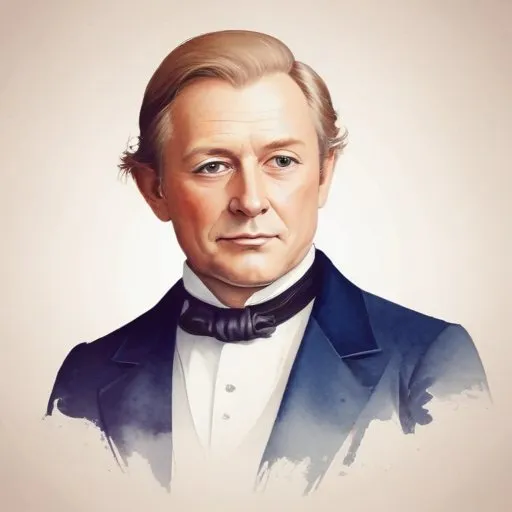
Jan van Gilse: The Multifaceted life of a Dutch Composer and Conductor
A Legacy of Music and Controversy
Jan van Gilse, a renowned Dutch composer and conductor, is best known for his remarkable symphonies and operas, which showcased his mastery of melody and harmony. Born on May 11, 1881, van Gilse's life was a testament to his dedication to music, marked by achievements, controversies, and a passion for creative expression.
Early Life and Education
Born into a family of theologians, van Gilse's affinity for music was evident from an early age. He began playing the piano and composing at a young age, and later pursued his studies at the Cologne conservatory from 1897 onwards. Under the guidance of Franz Wüllner, he honed his skills, and after Wüllner's passing in 1902, van Gilse continued his studies with
Engelbert Humperdinck in Berlin.
Award-Winning Compositions
Van Gilse's musical prowess earned him numerous accolades, including the Beethoven-Haus Prize in Bonn for his First Symphony in F major (1901) and the Michael Beer Prize for his Third Symphony, "Erhebung" (Elevation) for soprano solo and orchestra (1906). These awards solidified his position as a rising star in the world of classical music.
Conducting Career and Conflicts
In addition to composing, van Gilse developed an interest in conducting, starting with the Bremen Opera. He went on to hold positions in Munich and Amsterdam, eventually becoming the conductor of the Utrecht Municipal Orchestra (Utrechtsch Stedelijk Orkest) from 1917 to 1922. However, his tenure was marked by conflicts with the orchestra's board of directors, leading to his resignation in 1921.
The Autobiography and its Controversies
Eight years after his resignation, van Gilse wrote an autobiography that spanned over 350,000 words. Despite its candor, he doubted its publication, fearing his honesty would offend many. The manuscript was eventually edited and published in 2003, offering a unique glimpse into the life of this complex figure.
World War II and its Impact
During World War II, van Gilse became actively involved with the resistance movement, reflecting his strong sense of social responsibility. This commitment added another dimension to his already multifaceted life.
Legacy and Impact
Jan van Gilse's contributions to classical music are undeniable. His symphonies and operas continue to inspire new generations of musicians and music lovers alike. Despite the controversies that marked his life, his legacy as a composer and conductor remains unwavering, a testament to his dedication to his craft.
- Jan van Gilse's works include five symphonies and the Dutch-language opera, "Thijl."
- He received the Beethoven-Haus Prize in Bonn for his First Symphony in F major.
- The Michael Beer Prize was awarded to him for his Third Symphony, "Erhebung" (Elevation) for soprano solo and orchestra.
Jan van Gilse's life serves as a reminder that art and controversy often go hand in hand. Despite the challenges he faced, his passion for music and his commitment to his craft continue to inspire and influence musicians to this day.
FAQ
What were Jan van Gilses contributions to Dutch music?
Jan van Gilse made significant contributions to Dutch music, composing symphonies, operas, and choral works that showcased his unique style and flair.
What was Jan van Gilses role in the Amsterdam Concertgebouw Orchestra?
Jan van Gilse served as the conductor of the Amsterdam Concertgebouw Orchestra from 1922 to 1933, leading the orchestra to new heights of musical excellence.
How did Jan van Gilses musical style evolve over time?
Jan van Gilses musical style evolved from Romanticism to a more modern, Impressionistic style, reflecting his fascination with contemporary music trends.
What is Jan van Gilses most famous composition?
Jan van Gilses most famous composition is his Symphony No. 1 in C minor, considered a masterpiece of Dutch Romantic music.
What is Jan van Gilses legacy in the world of classical music?
Jan van Gilses legacy in the world of classical music is one of innovation, creativity, and dedication, leaving a lasting impact on Dutch music and beyond.