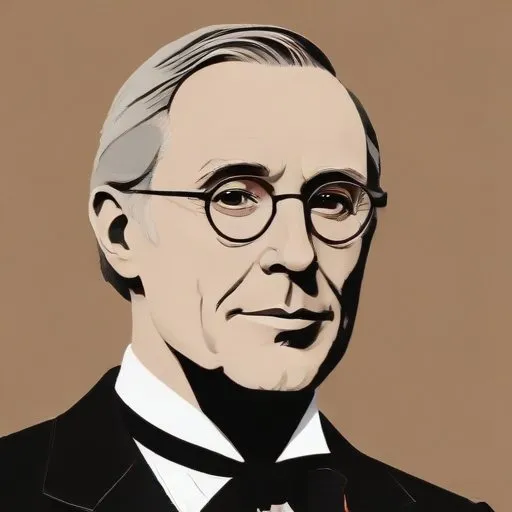
William Bergsma: A Maestro of Melodic Composition
A Life Dedicated to Music
William Laurence Bergsma was an American composer and teacher, renowned for his lyrical and contrapuntal musical style that defied the conventions of his time. With a career spanning over four decades, Bergsma left an indelible mark on the world of music, shaping the careers of prominent composers and educating listeners about contemporary music.
Early Life and Education
Born on April 1, 1921, in Oakland, California, Bergsma was exposed to music from a young age by his mother, a former opera singer. He began studying piano and later switched to the viola, eventually pursuing composition at Stanford University and the Eastman School of Music. Under the guidance of notable composers
Howard Hanson and Bernard Rogers, Bergsma earned his bachelor's and master's degrees, laying the foundation for his future success.
A Career of Teaching and Composition
In 1946, Bergsma joined the faculty at Juilliard School, where he taught composition and rose through the ranks to become chair of composition and associate dean. During his 17-year tenure, he mentored prominent composers, including Jack Behrens,
Philip Glass,
Karl Korte, Robert Parris, and
Steve Reich. In 1963, Bergsma moved to the University of Washington, where he headed the music school until 1971 and remained a professor until his retirement.
Philosophical Contributions and Beliefs
Bergsma's music is characterized by its tonal and harmonically rich qualities, which contrasted with the prevailing serialist movement of his time. He believed in the importance of melody and structure, rejecting the avant-garde movement in favor of a more traditional approach. This philosophy is reflected in his compositions, which are known for their beauty and accessibility.
Founder of the Contemporary Group
In 1966, Bergsma established the Contemporary Group at the University of Washington, a organization dedicated to promoting new musical works and educating the public about contemporary music. This initiative remains active to this day, a testament to Bergsma's commitment to fostering a deeper understanding and appreciation of music.
Awards and Honors
Throughout his career, Bergsma received numerous accolades, including two Guggenheim Fellowships, a grant from the National Endowment for the Arts, and an award from the American Academy of Arts and Letters. These recognition underscored his significance as a composer and educator.
Legacy and Influence
Bergsma's impact on modern society extends beyond his compositions and teachings. He inspired a generation of composers to explore new sounds and styles, while remaining true to the fundamentals of music. His legacy continues to be felt, with his students and contemporaries carrying on his tradition of innovation and excellence.
Personal Milestones and Key Life Events
- 1946: Joined the faculty at Juilliard School
- 1963: Became head of the music school at the University of Washington
- 1966: Founded the Contemporary Group
- 1971: Stepped down as head of the music school at the University of Washington
- March 18, 1994: Passed away, leaving behind a rich musical legacy
By examining Bergsma's life and work, we gain insight into the world of music composition and education. His dedication to his craft, his students, and his philosophy has left an indelible mark on the music world, ensuring his legacy will continue to inspire future generations of composers and music lovers alike.
FAQ
What was William Bergsmas contribution to American music?
William Bergsma was an American composer and educator who made significant contributions to American music. He was a prolific composer of orchestral, chamber, and vocal music, and was known for his innovative use of tonality and rhythm.
What inspired William Bergsmas compositional style?
William Bergsma was inspired by a wide range of musical influences, including jazz, folk music, and the works of Igor Stravinsky and Arnold Schoenberg. He was known for his eclectic and innovative approach to composition.
How did William Bergsmas work as an educator influence his compositional style?
William Bergsmas work as an educator had a profound influence on his compositional style. He was known for his ability to write music that was both accessible and challenging, and his pedagogical approach to composition helped to shape the next generation of American composers.
What awards and recognition did William Bergsma receive for his work?
William Bergsma received numerous awards and honors for his work, including a Guggenheim Fellowship and a National Endowment for the Arts grant.
What is William Bergsmas legacy in American music?
William Bergsmas legacy in American music is one of innovation and excellence. He was a true original, and his music continues to be celebrated and performed by musicians around the world.