


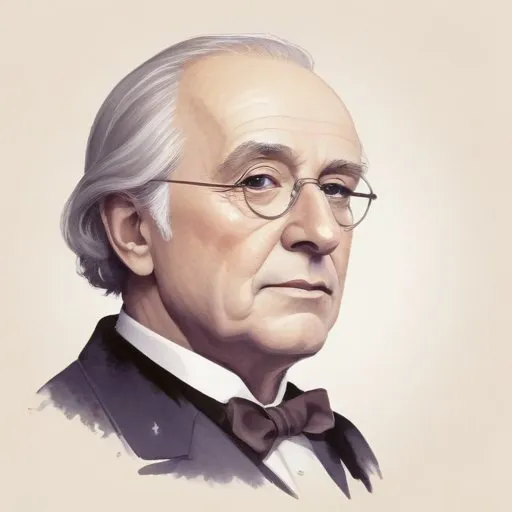
A renowned composer and educator, he made significant contributions to the development of American music, particularly in the realm of chamber music and choral works.
Karl Korte, a luminary in the realm of contemporary classical music, left an indelible mark on the world of composition. With a career spanning over five decades, he was recognized for his innovative approach to music, earning him numerous national and international awards.
Born on June 23, 1928, in Ossining, New York, Korte grew up in Englewood, New Jersey. He pursued his passion for music at the Juilliard School, where he studied under the tutelage of esteemed composers Peter Mennin, William Bergsma, and Vincent Persichetti. His thirst for knowledge led him to further his education with Otto Luening, Goffredo Petrassi, and the legendary Aaron Copland.
Korte's expertise in composition led him to a distinguished teaching career. He taught at the University of Texas at Austin from 1971 to 1997, earning the rank of emeritus professor. He later served as a visiting professor at Williams College in Williamstown, Massachusetts, from 1997 to 2000.
Korte's repertoire is a testament to his creative genius, with compositions that continue to captivate audiences. Some of his notable works include:
Karl Korte's passing on March 27, 2022, marked the end of an era, but his contributions to contemporary classical music will continue to inspire generations to come. His legacy serves as a testament to the power of innovative composition and its ability to transcend time.
As we celebrate the life and works of Karl Korte, we are reminded of the profound impact he had on the music world. His dedication to his craft and his passion for pushing boundaries have left an indelible mark on the world of classical music.
Born in 1908
A pioneering composer of modern classical music, known for his complex and innovative works that pushed the boundaries of harmony and rhythm.
Born in 1910
A renowned composer and educator, he was the first president of the Juilliard School and won the Pulitzer Prize for Music in 1943. He's known for his contributions to American classical music.
Born in 1894
A renowned composer, theorist, and academic who made significant contributions to the development of American classical music, particularly in the realm of harmony and counterpoint.
Born in 1896
A renowned composer, conductor, and educator who made significant contributions to American classical music, particularly through his Romantic-style symphonies and leadership of the Eastman School of Music.
Born in 1895
A renowned composer, violist, and conductor who blended traditional and modern styles, creating complex yet accessible music that resonated with audiences. His works spanned from operas to chamber music.
Born in 1900
Austrian-American composer and educator who blended jazz and classical music, creating innovative operas and symphonies. Known for his eclectic style and influential teaching methods.
Born in 1892
A French composer and educator who blended jazz and classical music to create a unique sound, and is best known for his ballet scores and chamber music compositions.
Born in 1890
A Czech-American pianist and composer who blended neoclassicism and surrealism, creating innovative works that merged classical music with jazz and avant-garde elements.
