


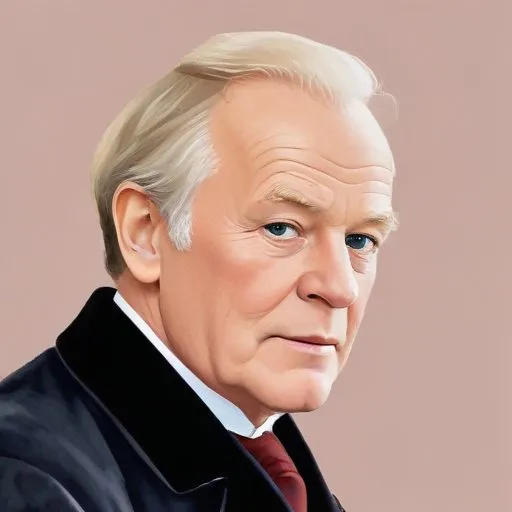
Noted Irish novelist of the 19th century, celebrated for vivid depictions of rural Irish life and struggles in works like "Traits and Stories of the Irish Peasantry".
William Carleton, a prominent Irish writer and novelist, is best known for his seminal work, Traits and Stories of the Irish Peasantry, a collection of ethnic sketches that provide an intimate glimpse into the lives of the stereotypical Irishman. Through his writing, Carleton masterfully captured the essence of Irish folklore, traditions, and culture, earning him a revered place in the annals of Irish literature.
Born on March 4, 1794, in Prolusk, County Tyrone, Ireland, Carleton was the son of a Roman Catholic tenant farmer. His early life was steeped in folklore and storytelling, with his father regaling him with tales by the fireside. His mother, a noted singer, sang in Irish, further immersing him in the rich cultural heritage of his country.
Carleton received a basic education, attending various hedge schools, a traditional feature of Irish education, as his family moved from one small farm to another. He later attended a classical school in Glennan, where he was taught by Father Keenan, a curate who recognized his potential. Carleton's educational pursuits continued at Maynooth, where he studied for the priesthood, but left after two years.
Carleton's writing career was marked by his passion for preserving Irish folklore and cultural traditions. His most notable work, Traits and Stories of the Irish Peasantry, is a testament to his dedication. This collection of short stories and sketches provides an authentic portrayal of Irish rural life, exploring themes of love, struggle, and community.
Other notable works by Carleton include Fardorougha, which features the character of Honor, modeled after his mother, and The Hedge School, a poignant account of his own educational experiences. His writing is characterized by its warmth, humor, and insight into the human condition, making him a beloved figure in Irish literature.
Carleton's work had a profound impact on Irish literature and culture. He is credited with helping to preserve Irish folklore and traditions, providing a window into the country's rich cultural heritage. His writing continues to inspire generations of Irish writers and scholars, solidifying his place as a literary icon.
Today, Carleton's legacy extends beyond the realm of literature. His work serves as a testament to the power of storytelling, highlighting the importance of preserving cultural heritage and promoting cross-cultural understanding.
William Carleton's remarkable life and literary contributions continue to captivate audiences, offering a glimpse into the heart and soul of Irish culture. His legacy serves as a reminder of the power of storytelling to preserve cultural heritage and promote cross-cultural understanding.
Born in 1812
A renowned author of timeless classics, crafting vivid stories that exposed social injustices and explored the human condition, leaving an indelible mark on literature.
Born in 1771
A renowned author of historical novels, plays, and poetry, credited with creating the genre of historical fiction and influencing the development of the novel as a literary form.
Born in 1882
A pioneering modernist writer, known for experimental novels and short stories that explore the human experience, particularly in Dublin, Ireland. His works are celebrated for their complex, lyrical prose and innovative narrative structures.
Born in 1854
A witty and flamboyant literary mastermind, renowned for crafting clever, humorous, and poignant works that continue to delight audiences with their clever wordplay and societal commentary.
Born in 1667
A witty wordsmith who penned scathing social commentaries, including the iconic "Gulliver's Travels", which continue to delight and provoke readers to this day.
Born in 1713
Wrote influential and innovative novels, particularly "Tristram Shandy", that experimented with narrative structure and style, influencing the development of modern literature.
Born in 1751
A witty and influential 18th-century playwright and politician who penned iconic comedies like "The School for Scandal" and "The Rivals", shaping English literature and theatre.
Born in 1728
A celebrated 18th-century writer, known for his witty plays and novels of manners that satirized the social class system, leaving a lasting impact on English literature.
