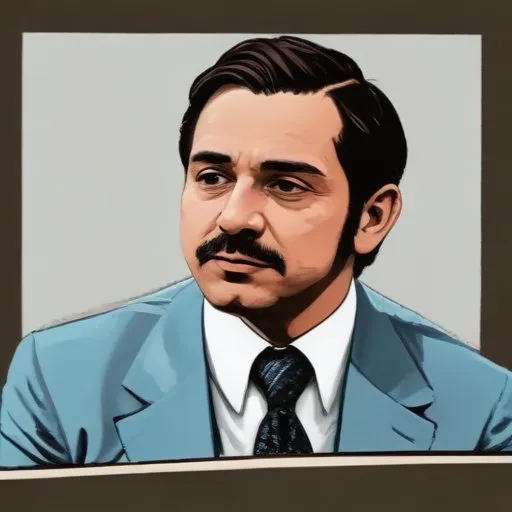
William F. Nast: The Visionary Entrepreneur and Diplomat
A Pioneer in Multiple Fields
William F. Nast, an American diplomat, entrepreneur, and inventor, left an indelible mark on the world. He is best known for being the third president of the Atchison, Topeka and Santa Fe Railway, a position he held, albeit briefly, in 1868. This pivotal role not only highlights his leadership skills but also underscores his vision for the growth and development of the American rail industry.
Early Life and Education
Born on June 14, 1840, in Cincinnati, Ohio, Nast was the son of William Nast, a Methodist religious leader. His upbringing and family values instilled in him a strong sense of entrepreneurship and community service. Although there is limited information available about his formal education, his later achievements suggest that he was well-versed in various fields, including business, diplomacy, and technology.
Diplomatic Career and Beyond
From 1861 to 1865, Nast served at the American Consulate in Stuttgart, Germany, where he honed his diplomatic skills and gained valuable experience in international relations. Returning to the United States, he entered the brokerage business in New York City, further expanding his business acumen.
The Railway Era
Nast's brief stint as president of the Atchison, Topeka and Santa Fe Railway may have been short-lived, but it marked a significant milestone in the history of American railroads. His leadership and innovative approach paved the way for the growth and expansion of the railway industry.
Innovative Spirit and Patents
Nast's inventive nature led to the filing of several patents, including improvements in the treatment of stable manure, manufacture of paper, and production of dextrine, sugar, and other cellulose-based products. These innovations not only showcased his creativity but also demonstrated his commitment to environmental sustainability and resource management.
Personal Life and Legacy
In 1868, Nast married Esther A. Benoist, daughter of pioneer St. Louis banker Louis Auguste Benoist. The couple had four children: Louis, Cond, Ethel, and Estelle. Nast's personal life was marked by his strong family values and commitment to community development.
Nast passed away in 1893 and was buried at Calvary Cemetery in St. Louis. His legacy extends beyond his achievements, inspiring future generations of entrepreneurs, inventors, and diplomats.
Timeline of Major Events
- June 14, 1840: Born in Cincinnati, Ohio
- 1861-1865: Served at the American Consulate in Stuttgart, Germany
- 1868: Became president of the Atchison, Topeka and Santa Fe Railway
- 1868: Married Esther A. Benoist
- 1876: Filed patent for improvements in the treatment of stable manure
- 1880: Filed patent for improvements in the manufacture of dextrine, sugar, and other cellulose-based products
- 1887: Filed patent for obtaining ammonia from manure
- 1893: Passed away and buried at Calvary Cemetery in St. Louis
Impact and Influence
William F. Nast's multifaceted career and achievements have left a lasting impact on the world. His innovative spirit, commitment to environmental sustainability, and leadership in the railway industry continue to inspire entrepreneurs, inventors, and diplomats today. As a testament to his enduring legacy, Nast's story serves as a beacon of inspiration, motivating future generations to strive for excellence and make a positive difference in the world.
FAQ
What was William F. Nasts business career like?
William F. Nast was a successful American businessman who made his fortune in the railroad and banking industries. He was a key figure in the development of the American railroad system and served as a director of several major banks.
How did William F. Nast contribute to the growth of the railroad industry?
William F. Nast played a significant role in the growth of the railroad industry in the United States. He invested heavily in railroads and served as a director of several major railroad companies.
What was William F. Nasts role in the banking industry?
William F. Nast was a prominent figure in the banking industry, serving as a director of several major banks, including the First National Bank of New York.
How did William F. Nasts business ventures impact the US economy?
William F. Nasts business ventures had a significant impact on the US economy, contributing to the growth of the railroad and banking industries, and helping to spur economic development in the United States.
What was William F. Nasts legacy?
Today, William F. Nast is remembered as a pioneering businessman who played a key role in the development of the American railroad and banking industries. He is celebrated for his entrepreneurial spirit and his contributions to the growth of the US economy.