


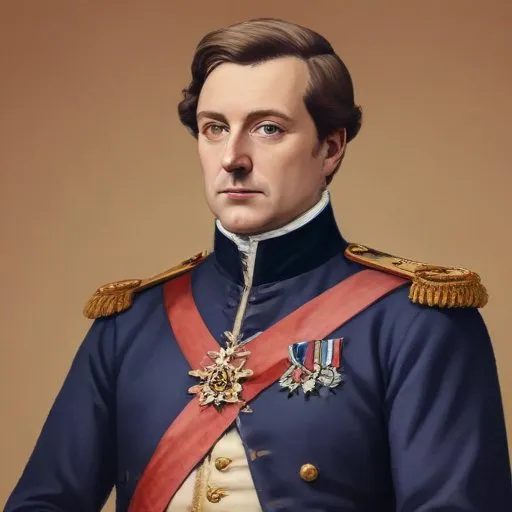
A prominent English politician during the 16th century, he served as a member of Parliament and held various high-ranking positions, including Lord Chamberlain and Lord Steward. He's also known for his involvement in the trial of Anne Boleyn.
William FitzAlan, 16th Earl of Arundel, is renowned for his unwavering patronage of the arts, his unrelenting passion for architecture, and his pivotal role in shaping the English Renaissance. As a prominent nobleman, politician, and art enthusiast, Arundel left an indelible mark on the cultural landscape of 16th-century England.
Born in 1417, William FitzAlan was the son of John FitzAlan, 13th Earl of Arundel, and inherited the title at the tender age of six. His early life was marked by a strong emphasis on education, with tutors instilling in him a deep appreciation for the classics, philosophy, and the arts.
Arundel's love for art and architecture led him to become a generous patron of some of the most prominent artists of his time, including the renowned Italian painter, Giovanni Bellini. He also commissioned numerous architectural projects, including the reconstruction of Arundel Castle and the building of Nonsuch Palace, which became a symbol of his refined taste and architectural innovation.
In addition to his cultural pursuits, Arundel played a significant role in English politics, serving as a trusted advisor to King Henry VI and later to King Edward IV. He was also instrumental in negotiating the Treaty of Picquigny, which ended the Hundred Years' War between England and France.
William FitzAlan, 16th Earl of Arundel, left behind a rich cultural heritage that continues to inspire and influence generations. His patronage of the arts, his architectural innovations, and his contributions to politics have cemented his place as one of the most fascinating figures of the English Renaissance.
Through his unwavering passion for art, architecture, and learning, Arundel has left an indelible mark on the cultural landscape of England, earning him a rightful place among the most celebrated patrons and politicians of his time.
As we delve into the life and legacy of William FitzAlan, we are reminded of the transformative power of art, architecture, and education to shape our understanding of the world and our place within it.
Born in 1457
First Tudor king of England, who ended the Wars of the Roses and established a strong, centralized government, bringing stability and prosperity to the country.
Born in 1516
The first queen to rule England in her own right, Bloody Mary tried to restore Catholicism, earning her notorious reputation for burning hundreds of Protestants at the stake.
Born in 1926
The monarch of the United Kingdom and its Commonwealth realms, serving as a unifying figurehead and symbol of national identity, while also carrying out various ceremonial and charitable duties.
Born in 1574
An English explorer and cartographer who mapped the New World and created innovative navigational tools, contributing significantly to the development of modern cartography.
Born in 1284
The king whose disastrous reign led to his eventual deposition and mysterious death, remembered for his alleged homosexual relationships and power struggles with nobles.
