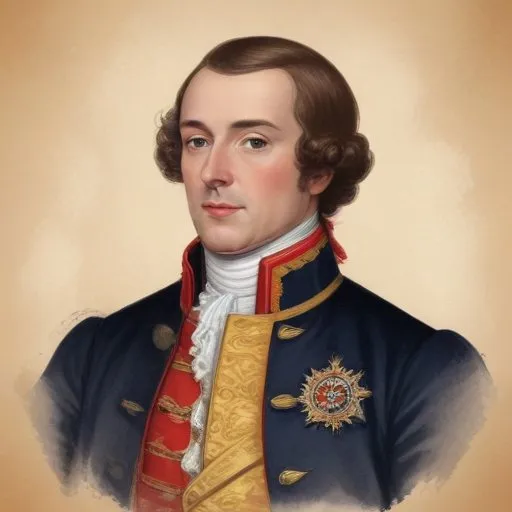
William Herbert, 3rd Earl of Pembroke: A Patron of Arts and Letters
A Legacy of Cultural Patronage
William Herbert, 3rd Earl of Pembroke, was a prominent English nobleman, politician, and courtier, best known for his patronage of the arts, particularly his association with
William Shakespeare and his role in the founding of Pembroke College, Oxford. As a staunch supporter of literature and drama, he left an indelible mark on the artistic landscape of his time.
Early Life and Education
Born on April 8, 1580, Herbert was the eldest son of Henry Herbert, 2nd Earl of Pembroke, and
Mary Sidney. His early life was marked by a love for learning, and he was tutored by the celebrated poet Samuel Daniel. This foundation in literature would later influence his patronage of the arts.
Political Career and Appointments
Herbert's political career was marked by several notable appointments. In 1608, he was appointed Warden of the Forest of Dean, Constable of St Briavels Castle, Gloucestershire, and in 1609, Governor of Portsmouth, offices he retained until his death. He served as Lord Chamberlain from 1615 to 1625 and Lord Steward from 1626 to 1630. His experience in these roles provided him with a unique understanding of the workings of the royal court and its influence on the arts.
Patronage of the Arts
Herbert's love for literature and drama led him to become a prominent patron of the arts. In 1623, the First Folio of Shakespeare's plays was dedicated to him and his brother, Philip Herbert, 1st Earl of Montgomery. This honor highlights Herbert's significance as a patron of Shakespeare's work and his role in promoting the playwright's legacy.
Founding of Pembroke College, Oxford
Together with King James I, Herbert founded Pembroke College, Oxford, in 1624. This institution would go on to become a hub for scholarly learning and cultural exchange, cementing Herbert's legacy as a champion of education and the arts.
Personal Life and Marriage
On November 4, 1604, Herbert married Mary Talbot, daughter of Gilbert Talbot, 7th Earl of Shrewsbury. Although the marriage produced two sons, neither survived infancy.
Arranged Marriages and Mistresses
Prior to his marriage, Herbert was urged to wed Elizabeth Carey, granddaughter of Henry Carey, the Lord Chamberlain who ran Shakespeare's company. However, he refused this arranged marriage, a decision that highlights his independence and autonomy in personal matters.
Influence on Modern Society
Herbert's patronage of the arts and his role in founding Pembroke College, Oxford, have had a lasting impact on modern society. His support for Shakespeare's work has contributed to the playwright's enduring popularity, and the college he founded continues to be a bastion of academic excellence.
Historical Context and Legacy
William Herbert, 3rd Earl of Pembroke, lived during a period of significant cultural and artistic transformation. His patronage of the arts and his role in shaping the literary landscape of his time have left an indelible mark on history. His legacy serves as a testament to the power of patronage in promoting artistic innovation and cultural excellence.
Visual Timeline of Major Life Events
- 1580: Born on April 8
- 1604: Married Mary Talbot on November 4
- 1608: Appointed Warden of the Forest of Dean and Constable of St Briavels Castle
- 1609: Appointed Governor of Portsmouth
- 1615: Became Lord Chamberlain
- 1623: The First Folio of Shakespeare's plays was dedicated to him and his brother
- 1624: Founded Pembroke College, Oxford, with King James I
- 1625: Ceased to be Lord Chamberlain
- 1626: Became Lord Steward
- 1630: Died on April 10
Trivia and Fun Facts
- Herbert was known for his heavy pipesmoking, which he believed helped alleviate his migraines.
- He performed in The Masque of Indian and China Knights at Hampton Court on January 1, 1604, alongside his brother Philip.
FAQ
What is William Herberts family background?
William Herbert, 3rd Earl of Pembroke, was born in 1580 to Henry Herbert, 2nd Earl of Pembroke, and Mary Sidney.
What is William Herberts connection to the English court?
William Herbert, 3rd Earl of Pembroke, was a prominent figure at the English court, serving as a Gentleman of the Bedchamber to King James I and later as Lord Chamberlain.
What is William Herberts role in literature?
William Herbert, 3rd Earl of Pembroke, was a patron of literature and the arts, and his name appears as a dedicatee in several works, including Shakespeares First Folio.
How did William Herbert die?
William Herbert, 3rd Earl of Pembroke, died in 1630, likely due to illness or old age.
What is William Herberts legacy?
William Herbert, 3rd Earl of Pembroke, is remembered as a loyal servant of the crown and a generous patron of the arts, whose name has become synonymous with literary excellence.