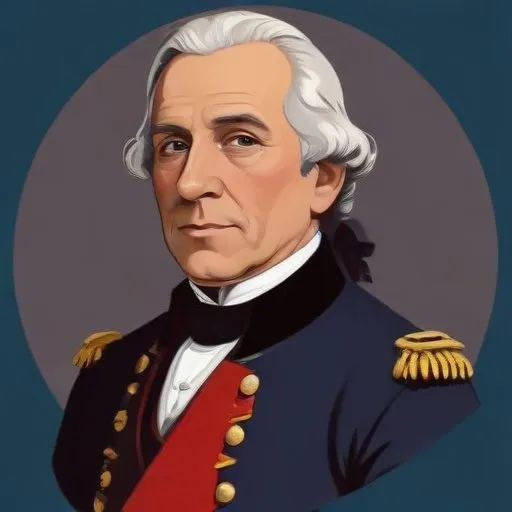
William Hull: The Controversial Hero of the American West
A Legacy of Triumph and Defeat
William Hull, a name synonymous with bravery and controversy, is best known for his pivotal role in the War of 1812, where he surrendered Fort Detroit to the British, and his subsequent court-martial and pardon. Despite this tumultuous episode, Hull's contributions to American history extend far beyond this singular event, revealing a complex and multifaceted individual who played a significant role in shaping the country's early development.
The Early Years
Born on June 24, 1753, in Derby, Connecticut, Hull graduated from Yale University in 1772 and went on to study law in Litchfield, Connecticut. He joined the bar in 1775, but his legal career was cut short by the outbreak of the American Revolutionary War.
A Revolutionary War Hero
Hull's military career began as a captain in the local militia, quickly rising through the ranks to lieutenant colonel in the Continental Army. He fought in several key battles, including White Plains, Trenton, Princeton, Stillwater, Saratoga, Fort Stanwix, Monmouth, and Stony Point. His bravery and leadership caught the attention of General
George Washington and the Second Continental Congress, earning him recognition for his service.
A Friend to the Famous
Hull's friendship with
Nathan Hale, the famous American spy, is a fascinating aspect of his life. He attempted to dissuade Hale from undertaking the perilous spy mission that ultimately cost him his life. Hull was instrumental in publicizing Hale's famous last words, "I only regret that I have but one life to give for my country."
Post-War Politics and Governance
After the war, Hull served as a judge and state senator in Massachusetts, and was elected captain of the Ancient and Honorable Artillery Company of Massachusetts in 1789. In 1805, he was appointed as the Governor of Michigan Territory, a position he held until 1813. During his tenure, he negotiated several land cessions from American Indian tribes, including the Treaty of Detroit in 1807.
The Siege of Detroit and Court-Martial
Hull's military career took a dramatic turn during the War of 1812. He was forced to surrender Fort Detroit to the British on August 16, 1812, following a grueling siege. This decision was met with widespread criticism, and Hull was subsequently court-martialed, convicted, and sentenced to death. However, President
James Madison intervened, granting him a pardon and allowing Hull to redeem his reputation.
A Legacy of Controversy
Hull's surrender of Fort Detroit remains a topic of debate among historians, with some viewing it as a necessary evil to prevent further bloodshed, while others see it as a cowardly act. Regardless, Hull's complex and multifaceted legacy continues to fascinate, offering a glimpse into the tumultuous early years of American history.
Personal Milestones and Key Life Events
- June 24, 1753: Born in Derby, Connecticut
- 1772: Graduated from Yale University
- 1775: Joined the bar
- 1775-1783: Fought in the American Revolutionary War
- 1789: Elected captain of the Ancient and Honorable Artillery Company of Massachusetts
- 1805-1813: Served as Governor of Michigan Territory
- August 16, 1812: Surrendered Fort Detroit to the British
- November 29, 1825: Passed away
Historical Context and Legacy
Hull's life and legacy are a testament to the complexities of American history. His story serves as a reminder of the sacrifices and challenges faced by the country's early leaders, and the importance of understanding the nuances of historical events. Despite his flaws, Hull remains an important figure in American history, offering valuable insights into the nation's development and growth.
FAQ
What was William Hulls role in the War of 1812?
William Hull played a significant role in the War of 1812, serving as the commander of the Northwest Army. He led the ill-fated invasion of Upper Canada, which ended in defeat and surrender at Detroit.
What were the consequences of William Hulls surrender at Detroit?
The surrender at Detroit had severe consequences for William Hulls career and reputation. He was court-martialed and convicted of cowardice and neglect of duty, which led to his dismissal from the army.
How did William Hull govern the Michigan Territory?
As the first governor of the Michigan Territory, William Hull worked to establish a functional government, promote settlement, and negotiate with Native American tribes. Despite challenges, he laid the groundwork for the territorys future development.
What were William Hulls achievements as a politician?
William Hull had a successful political career, serving as a judge, congressman, and governor. He was known for his strong leadership and public service, earning him respect and admiration from his contemporaries.
What is William Hulls legacy in American history?
William Hulls legacy is complex, marked by both triumph and defeat. While his surrender at Detroit remains a significant blight, his contributions to the development of the Michigan Territory and his dedication to public service are important aspects of American history.