


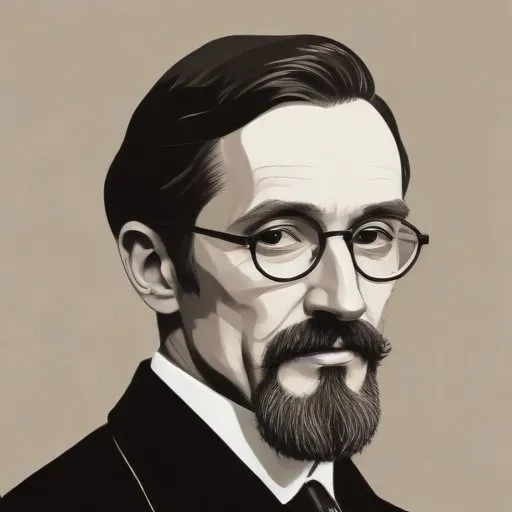
A 17th-century English author who wrote about the early history of the English colonies in America, particularly the Jamestown settlement, providing valuable insights into the lives of the colonists.
William Strachey is renowned as the English writer whose works are among the primary sources for the early history of the English colonization of North America. His account of the 1609 shipwreck on the uninhabited island of Bermuda, which was caught in a hurricane while sailing to Virginia, is a testament to his bravery and literary prowess.
Strachey was born on April 4, 1572, in Saffron Walden, Essex, to William Strachey and Mary Cooke. His maternal grandfather, Henry Cooke, held Lesnes Abbey in Kent, and his younger son, Richard Cooke, was identified as the author of Description de Tous les Provinces de France. Strachey's mother died in 1587, and his father married Elizabeth Brocket of Hertfordshire, with whom he had five daughters.
In 1588, Strachey entered Emmanuel College, Cambridge, but did not take a degree. In 1602, he inherited his father's estate following a legal dispute with his stepmother, Elizabeth Brocket. He wrote a sonnet, Upon Sejanus, which was published in the 1605 edition of the 1603 play Sejanus His Fall.
In 1609, Strachey embarked on a voyage to Virginia as part of a fleet of nine ships. The flagship, Sea Venture, was caught in a hurricane and shipwrecked on the uninhabited island of Bermuda. Strachey's account of the incident and the subsequent ten-month stay on the island, during which the survivors built two small ships, is a gripping tale of survival and resilience.
Strachey's account of the shipwreck and the Virginia colony is thought by many scholars to have been a source for William Shakespeare's play The Tempest. His work provides valuable insights into the early history of colonial America, offering a unique perspective on the challenges faced by the settlers and the native populations they encountered.
William Strachey's contributions to our understanding of colonial America are immeasurable. His works provide a window into the lives of the early settlers and the native populations they encountered, offering a nuanced understanding of the complexities of colonialism. His legacy continues to inspire historians, scholars, and writers to this day.
Born in 1564
Renowned playwright and poet behind iconic works like Romeo and Juliet, Hamlet, and Macbeth, whose writings continue to influence literature and theater to this day.
Born in 1564
A Renaissance master of words, crafting plays and poems that explored the human condition, and translating ancient texts into English, leaving a lasting impact on literature.
Born in 1572
A prominent figure in the English Renaissance, known for his witty plays and poems that explored themes of love, power, and morality. His works continue to influence literature and theater to this day.
46 Years Old
A former professional footballer who played as a goalkeeper, known for his time in the Premier League and his infamous mistake in a World Cup match.
Born in 1573
A 17th-century poet and cleric who penned powerful, metaphysical sonnets that explored themes of love, death, and spirituality. His works are celebrated for their complex, intricate language and profound insights into the human experience.
Born in 1590
Early Connecticut leader who played a key role in the colony's development and governance, particularly in the 17th century.
