


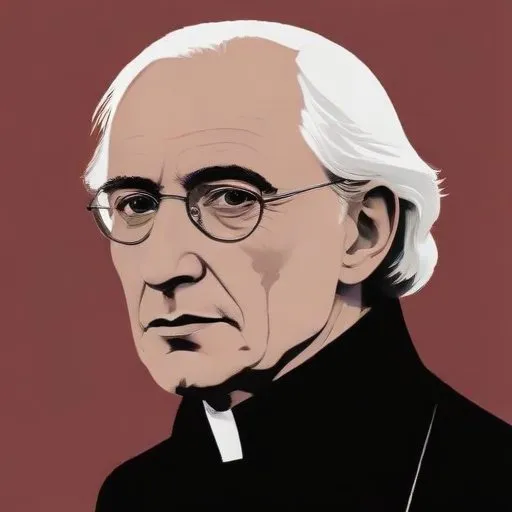
A 19th-century literary figure, known for his romantic poetry and influential critiques that shaped German literature. His works reflected the era's cultural and philosophical movements.
Wolfgang Menzel, a renowned German poet, critic, and literary historian, is best known for his influential works that have left an indelible mark on the literary world. His contributions to German literature, particularly in the 19th century, have earned him a revered place among his contemporaries.
Menzel was born on June 21, 1798, in Waldenburg, Silesia (now Wabrzych, Poland). He pursued his education at the universities of Breslau, Jena, and Bonn, laying a solid foundation for his future literary endeavors.
Menzel's literary career spanned several decades, during which he produced a diverse range of works that showcased his mastery over poetry, criticism, and literary history. Some of his notable works include:
Menzel was also an accomplished editor and literary critic. From 1826 to 1848, he edited a Literaturblatt, a literary magazine that was affiliated with the Morgenblatt. During this period, he shifted his allegiance from the Liberal to the Conservative party, reflecting his changing political views. In 1852, he revived his Literaturblatt, this time in support of the Conservative party.
In 1830, Menzel settled in Stuttgart, where he lived for several years and served as a member of the Württemberg Diet from 1830 to 1838. He later opposed the particularism of the Prussian Junkers and the anti-unionism of south Germany, demonstrating his commitment to democratic values.
Wolfgang Menzel's contributions to German literature and literary history have had a lasting impact on the literary world. His works continue to be celebrated for their originality, style, and historical significance. After his death on April 23, 1873, his extensive library of 18,000 volumes was acquired by the University of Strasbourg, a testament to his enduring legacy.
Menzel's legacy extends beyond his literary works. He was a vocal opponent of innovation in poetry, particularly in his criticism of Heinrich Heine's works. This stance reflects his commitment to traditional literary forms and his desire to preserve the cultural heritage of Germany.
Born in 1790
Austrian actor and playwright who wrote and performed in popular folk plays, often incorporating magic and fantasy elements, and was a key figure in Vienna's theatrical scene. He is particularly known for his humorous and satirical works that poked fun at social issues of his time.
Born in 1801
Austrian actor and playwright who wrote satirical plays that critiqued social issues, known for his witty dialogue and clever characterizations.
Born in 1759
A renowned poet and playwright who crafted influential works that explored the human condition, morality, and the struggle for freedom, leaving a lasting impact on German literature.
Born in 1749
A German literary giant who penned iconic works like "Faust" and "The Sorrows of Young Werther", shaping the Romantic movement and influencing countless writers.
Born in 1729
A prominent Enlightenment thinker, he's known for his influential writings on philosophy, literature, and theology, which helped shape modern German culture. He's also credited with developing the concept of dramatic irony in literature.
53 Years Old
A Jamaican artist who blends dancehall, reggae, and pop to create infectious hits, known for his energetic stage presence and chart-topping singles like "Gimme the Light" and "Baby Boy".
Born in 1776
A German Romantic-era mastermind who crafted dark, fantastical tales and composed mesmerizing music, leaving an indelible mark on literature and classical music.
Born in 1781
A German botanist and poet who traveled the world, discovering new plant species and writing romantic poetry that explored the human condition.
