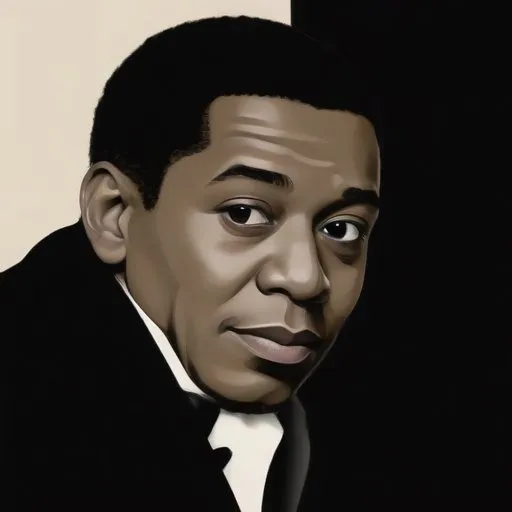
Wynton Kelly: The Virtuosic Jazz Pianist
The Accompanist Extraordinaire
Wynton Kelly is renowned for his lively, blues-based playing and considered one of the finest accompanists in jazz. With a career spanning over two decades, Kelly worked with some of the most iconic figures in jazz, leaving an indelible mark on the genre.
Early Life and Career
Born on December 2, 1931, in Brooklyn, New York, to Jamaican immigrants, Kelly began playing the piano at the tender age of four. Although he didn't receive formal training in music, he honed his skills through practice and dedication. Kelly started his professional career in 1943, initially playing with R&B groups, which helped him develop his unique style.
Rise to Prominence
Kelly's big break came at the age of 16 when he became the pianist on a No. 1 R&B hit. His recording debut as a leader occurred three years later, around the same time he started working with singer
Dinah Washington and trumpeter
Dizzy Gillespie. This collaboration marked the beginning of a successful period in Kelly's career, during which he worked with other jazz legends, including
Cannonball Adderley,
John Coltrane, and
Sonny Rollins.
Miles Davis and Kind of Blue
Kelly's most notable association was with
Miles Davis, with whom he worked from 1959 to 1963. During this period, he appeared on the iconic album
Kind of Blue, often cited as the best-selling jazz album of all time. Kelly's virtuosic playing and sensitive accompaniment style made him an invaluable asset to Davis's band.
Later Career and Legacy
After leaving Davis's band, Kelly formed his own trio, which recorded for several labels and toured extensively. Although his career slowed down in the late 1960s, Kelly continued to perform and record until his untimely death on April 12, 1971, at the age of 39.
Influence and Impact
Wynton Kelly's influence on modern jazz is immeasurable. His playing style, characterized by a strong sense of rhythm and harmonic subtlety, has inspired generations of pianists. Kelly's collaborative spirit and ability to elevate the music of others have made him one of the most revered accompanists in jazz history.
Personal Milestones and Key Life Events
- December 2, 1931: Born in Brooklyn, New York
- 1943: Started professional career as a pianist with R&B groups
- 1947: Recorded debut as a leader
- 1959-1963: Member of Miles Davis's band
- 1963: Formed own trio
- April 12, 1971: Passed away at the age of 39
Trivia and Fun Facts
- Kelly was known to have epilepsy, which affected his career and ultimately contributed to his early death.
- He was a self-taught pianist, having never received formal music training.
- Kelly played with some of the most iconic vocalists in jazz, including Billie Holiday, Betty Carter, and Abbey Lincoln.
FAQ
What is Wynton Kellys most famous album?
Wynton Kellys most famous album is Kelly at Midnight, a 1960 recording that features his iconic piano playing and is widely regarded as a jazz classic. The album has been reissued numerous times and remains a staple of the jazz canon.
What style of jazz does Wynton Kelly play?
Wynton Kelly plays a style of jazz that is rooted in the traditions of bebop and hard bop, but also incorporates elements of blues, gospel, and Latin music. His playing is characterized by its lyricism, elegance, and rhythmic sophistication.
What is Wynton Kellys legacy in jazz?
Wynton Kellys legacy in jazz is immense, with his playing and composing influencing generations of pianists and musicians. His work with Miles Davis, John Coltrane, and other jazz legends helped shape the course of jazz history, and his influence can still be heard in the music of todays leading jazz musicians.
What awards and recognition has Wynton Kelly received?
Wynton Kelly has received numerous awards and recognition for his contributions to jazz, including a Grammy Award nomination for his album Kelly at Midnight and a place in the Jazz Hall of Fame. He has also been recognized by the National Endowment for the Arts as a Jazz Master.
What is Wynton Kellys impact on modern jazz?
Wynton Kellys impact on modern jazz is profound, with his playing and composing influencing a wide range of musicians and styles. His legacy can be heard in the music of pianists such as Herbie Hancock, Keith Jarrett, and Brad Mehldau, and continues to inspire new generations of jazz musicians and enthusiasts.