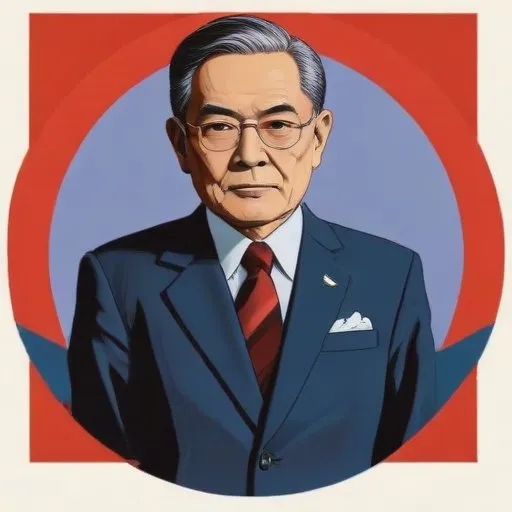
Yasuo Fukuda: The Japanese Politician Who Shaped the Nation's Future
A Leader of Distinction
Yasuo Fukuda is a prominent Japanese politician who served as the Prime Minister of Japan from 2007 to 2008. He is renowned for being the longest-serving Chief Cabinet Secretary in Japanese history, holding the position from 2000 to 2004 under Prime Ministers Yoshirō Mori and Junichiro Koizumi.
Early Life and Education
Born on July 16, 1936, in Takasaki, Gunma, Fukuda is the eldest son of
Takeo Fukuda, a former Japanese Prime Minister. He grew up in Setagaya, Tokyo, and attended Azabu High School. Fukuda graduated from Waseda University in 1959 with a degree in economics.
A Career in Politics
Fukuda's entry into politics was marked by his election to the House of Representatives in 1990. He quickly rose through the ranks, serving as the longest-serving Chief Cabinet Secretary in Japanese history. This position allowed him to work closely with Prime Ministers Mori and Koizumi, shaping key policies and decisions.
Prime Minister of Japan
Following the resignation of Prime Minister Shinzō Abe, Fukuda was elected as the President of the Liberal Democratic Party and became the Prime Minister of Japan in September 2007. This marked a significant milestone in his career, as he became the first son of a former Japanese Prime Minister to hold the position himself.
Achievements and Legacy
During his tenure as Prime Minister, Fukuda played a crucial role in hosting the G8 summit meeting in 2008, which was held in Japan. Although his time in office was marked by some challenges, he left a lasting impact on Japanese politics.
Personal Milestones and Key Life Events
- Fukuda was posted to the United States from 1962 to 1964, where he gained valuable experience and insight into international politics.
- He served as a trustee of the Kinzai Institute for Financial Affairs from 1986 to 1989.
- Fukuda was the president of the Japanese Canoe Federation prior to his election as Prime Minister.
Controversies and Public Perception
Fukuda's resignation as Prime Minister in 2008 was met with mixed reactions. While some praised his efforts to stabilize the Japanese economy, others criticized his handling of key issues, such as pension reform.
Quotes and Memorable Sayings
- "Politics should be about serving the people, not personal ambition."
- "Japan's future depends on our ability to adapt to changing global circumstances."
Impact on Modern Society
Fukuda's contributions to Japanese politics have had a lasting impact on the country's development. His focus on fiscal reform and economic stabilization paved the way for future leaders to build upon.
Career Highlights and Major Works
- Longest-serving Chief Cabinet Secretary in Japanese history (2000-2004)
- Prime Minister of Japan (2007-2008)
- Elected as President of the Liberal Democratic Party (2007)
Philosophical Contributions and Beliefs
Fukuda's political ideology is rooted in his belief in the importance of fiscal responsibility and economic stability. He has consistently advocated for policies that promote sustainable growth and development.
Historical Context and Legacy
Fukuda's rise to prominence must be viewed within the context of Japan's post-war political landscape. His leadership played a significant role in shaping the country's response to global challenges and cementing Japan's position on the international stage.
FAQ
Who was Yasuo Fukuda, the 91st Prime Minister of Japan?
Yasuo Fukuda was the 91st Prime Minister of Japan, serving from 2007 to 2008. He was a member of the Liberal Democratic Party and played a key role in shaping Japans foreign policy.
What were Yasuo Fukudas accomplishments as Prime Minister?
During his tenure, Fukuda worked to improve Japans relations with its Asian neighbors, strengthen the US-Japan alliance, and address domestic economic issues.
How did Yasuo Fukuda contribute to Japans foreign policy?
Fukuda played a key role in shaping Japans foreign policy, serving as Foreign Minister from 2000 to 2001 and from 2007 to 2008.
What awards did Yasuo Fukuda receive for his service?
Fukuda received several awards for his service, including the Grand Cordon of the Order of the Rising Sun.
What legacy did Yasuo Fukuda leave behind?
Fukudas legacy includes his commitment to Japans foreign policy, his leadership, and his contributions to the development of Japans economy.