


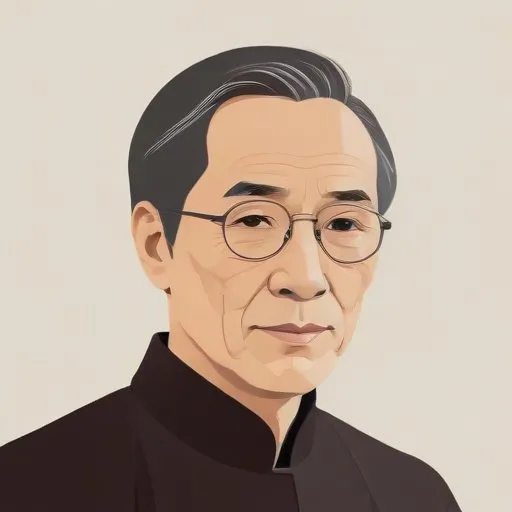
A pioneering Chinese writer and translator, known for introducing Western literature to China and promoting cultural exchange through his translations and essays.
Zhou Zuoren, renowned Chinese writer, essayist, and translator, was born on January 16, 1885, in Shaoxing, Zhejiang Province, China. He is primarily recognized for his significant contributions to modern Chinese literature, particularly in the realm of vernacular Chinese writing.
Zhou's educational background played a crucial role in shaping his intellectual trajectory. He attended the Jiangnan Naval Academy as a teenager before moving to Japan in 1906, where he studied Ancient Greek and Chinese philology at Rikkyo University. This exposure to foreign literatures and languages greatly influenced his writing style and approach to literary reform.
Zhou's literary career was marked by his involvement in the May Fourth Movement and the New Culture Movement. He wrote essays in vernacular Chinese for the magazine La Jeunesse, advocating for literary reform and promoting the use of vernacular Chinese in literature.
In 1918, Zhou published his seminal article "Human Literature," in which he emphasized the importance of mutual understanding and sympathy in literature. He challenged traditional literary themes, such as children sacrificing themselves for their parents, and wives being buried alive to accompany their dead husbands. Zhou's distinction between democratic and popular literature, which he saw as concerned with studying human life rather than catering to the masses, further solidified his reputation as a pioneering literary figure.
Zhou's literary philosophy was deeply rooted in his belief in the power of literature to foster empathy and understanding. He advocated for the development of a modern Chinese literature that was attuned to the needs and concerns of the common people.
His critique of traditional elite performances, such as the Beijing opera, which he deemed "disgusting," "nauseating," and "pretentious," reflects his commitment to democratizing art and literature.
Zhou's impact on modern Chinese literature and society is multifaceted. His advocacy for vernacular Chinese and literary reform paved the way for subsequent generations of writers and intellectuals. His emphasis on humanism and empathy in literature continues to resonate with contemporary readers and writers.
Zhou's influence extends beyond the realm of literature, as his ideas about democracy, equality, and social justice contributed to the shaping of modern Chinese society and its values.
Zhou's life was marked by significant personal milestones, including his marriage to a Japanese woman in 1911 and his return to China after his stint in Japan.
During the Second Sino-Japanese War, Zhou's experiences and perspectives underwent a significant transformation, as he confronted the harsh realities of war and occupation.
Zhou Zuoren's legacy as a pioneering writer, essayist, and translator continues to inspire and influence contemporary Chinese literature. His contributions to the development of modern Chinese literature, particularly in the realm of vernacular Chinese writing, are unparalleled.
In comparison to his contemporaries, Zhou's unique blend of intellectual curiosity, literary innovation, and social conscience sets him apart as a truly exceptional figure in modern Chinese literary history.
Zhou's contributions to literature and society were recognized through various awards and honors, including his appointment as a literature professor at Peking University.
The following visual timeline highlights key milestones in Zhou Zuoren's life:
Zhou Zuoren's younger brother, Lu Xun (Zhou Shuren), was also a famous writer and intellectual.
Zhou's love for Ancient Greek literature and language motivated him to translate the Gospels into Classical Chinese.
Born in 1009
A renowned poet and essayist of the Song Dynasty, known for his lyrical and expressive writings that explored themes of nature, politics, and human emotions.
Born in 1893
Leader of the Chinese Communist Party who implemented radical social and economic reforms, including the Great Leap Forward and the Cultural Revolution, shaping modern China's politics and economy.
Born in 1887
Led the Nationalist Party in China, fighting against the Communist Party and later establishing the government of Taiwan. He's known for his role in shaping modern Chinese history.
Born in 1886
A prominent Chinese military leader and politician who played a crucial role in the Chinese Civil War and the establishment of the People's Republic of China, serving as the second-in-command to Mao Zedong. He's most known for his military strategies and leadership during the war.
Born in 1896
A pioneering Chinese writer and critic, known for his influential literary works that explored the country's social and political landscape, particularly during the Republican era.
