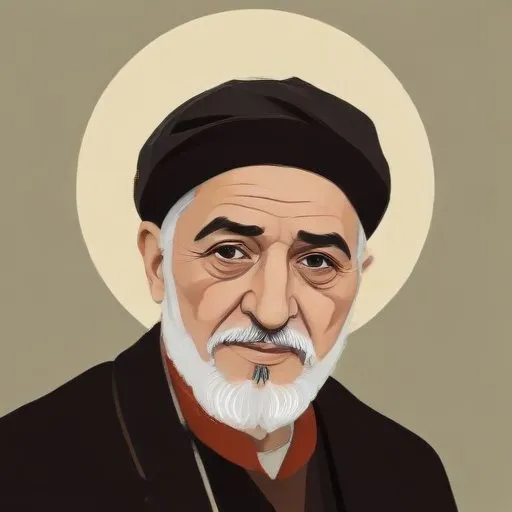
Ziya Gkalp: The Pioneering Sociologist Behind Turkish Nationalism
A Champion of Turkish Identity
Ziya Gkalp, a Turkish sociologist, writer, poet, and politician, is renowned for his pivotal role in shaping Turkish nationalism and secularism. His influential works and ideologies have left an indelible mark on the development of modern Turkey, earning him the title of "real founder of Turkish sociology".
Early Life and Formative Years
Born Mehmet Ziya on March 23, 1876, in Diyarbakr, Ottoman Empire, Gkalp was the second son of Muhammad Tefvik Bey and Zeliha Hanm. His paternal family was of Syrian Turkmen origin, while his maternal family was of Kurdish origin according to some sources.
The Emergence of a Nationalist
Gkalp's adoption of the pen name "Gkalp" (meaning "celestial hero") in 1908 marked a significant turning point in his life. This was the year of the Young Turk Revolution, which reinstated constitutionalism in the Ottoman Empire. As a sociologist, Gkalp became disillusioned with Islamism, pan-Islamism, and Ottomanism, instead advocating for Turkish nationalism and secularism.
Influence of European Thought
Gkalp's works were heavily influenced by contemporary European thought, particularly the sociological views of Émile Durkheim. He rejected the idea of a multinational Ottoman Empire, instead promoting Turkish language and culture to all Ottoman citizens. This vision of a unified Turkish identity led him to argue that Greeks, Armenians, and Jews were a "foreign body" in the national Turkish state.
Advocating for Turkification
Gkalp's nationalist ideals promoted a supernational Turkish or pan-Turkic identity, with a territorial Northeast orientation towards Turkic peoples. He believed in the importance of Turkification, or the promotion of Turkish language and culture, to all Ottoman citizens.
Legacy and Impact
Gkalp's influence on
Mustafa Kemal Atatürk's reforms and the development of Kemalism is undeniable. His ideas have shaped modern Turkey's identity and continue to have a lasting impact on Turkish politics and society. As
Niyazi Berkes noted in 1936, Gkalp is the "real founder of Turkish sociology", having paved the way for future generations of Turkish sociologists.
Philosophical Contributions
Gkalp's rejection of Islamism and Ottomanism in favor of Turkish nationalism reflects his commitment to secularism and modernization. His emphasis on the importance of Turkish language and culture highlights the significance of national identity in shaping societal norms and values.
Quotes and Memorable Sayings
- "The only way to achieve true unity is through Turkishness."
- "Nationalism is not a mere sentiment, but a scientific truth."
Historical Context and Legacy
Gkalp's life and works are a testament to the complex and tumultuous history of the Ottoman Empire and modern Turkey. His legacy continues to inspire and influence Turkish politics, society, and culture, cementing his place as one of the most important figures in Turkish history.
FAQ
What is Ziya Gökalp known for in Turkish literature?
Ziya Gökalp was a prominent Turkish sociologist, poet, and activist who played a crucial role in shaping Turkish literature and nationalism. He is best known for his works on Turkish identity and his advocacy for Western-style modernization.
What are Ziya Gökalps most famous literary works?
Ziya Gökalps most famous literary works include his poetry collections, such as Kızıl Elma and Turan, which promoted Turkish nationalism and cultural identity. He also wrote influential essays on sociology and politics.
What is Ziya Gökalps role in Turkish nationalism?
Ziya Gökalp was a key figure in Turkish nationalism, advocating for the modernization and Westernization of Turkish society. He believed in the importance of promoting Turkish culture and identity, and his works inspired many Turkish intellectuals and nationalists.
What is Ziya Gökalps legacy in Turkish intellectual history?
Ziya Gökalps legacy in Turkish intellectual history is profound. He helped shape Turkish nationalism and identity, and his works continue to influence Turkish literature and politics today.
What is Ziya Gökalps early life and education?
Ziya Gökalp was born on March 23, 1876, in Çemişgezek, Turkey. He studied sociology and philosophy at Istanbul University and later worked as a teacher and journalist.