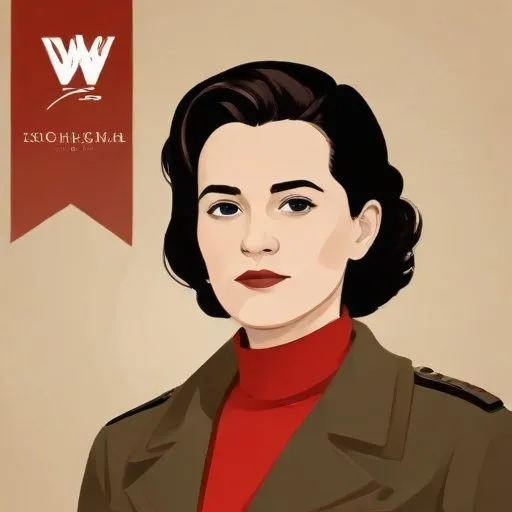
Zofia Kossak-Szczucka: The Polish Writer and War Heroine
A Life of Courage and Devotion
Zofia Kossak-Szczucka was a Polish writer and World War II resistance fighter, known for co-founding two wartime organizations that aided Polish Jews in escaping the Holocaust. Her bravery and selflessness in the face of danger earned her a permanent place in Polish history.
Early Life and Literary Beginnings
Born on August 10, 1889, Zofia Kossak-Szczucka was part of a renowned family of artists and writers. Her father, Tadeusz Kossak, was the twin brother of painter Wojciech Kossak, and her grandfather was the celebrated painter Juliusz Kossak. She married twice, first to Stefan Szczucki and then to Zygmunt Szatkowski, settling in the village of Grki Wielkie in Cieszyn Silesia.
Literary Career and Activism
Kossak-Szczucka's writing career spanned multiple genres, including historical novels, memoirs, and religious themes. Her most notable works include
Beatum scelus (1924),
Złota wolność (1928), and
Legnickie pole (1930). She was also associated with the Czartak literary group and wrote for the Catholic press. Her memoir,
The Blaze, recounts her experiences during the Russian Revolution of 1917.
World War II and the Fight Against the Nazi Occupation
During the German occupation of Poland, Kossak-Szczucka worked in the underground press, co-editing the newspaper
Polska żyje (Poland Lives) from 1939 to 1941. She co-founded the Catholic organization
Front Odrodzenia Polski (Front for the Rebirth of Poland) and later,
Żegota, a council dedicated to assisting Polish Jews escape the Holocaust. Her bravery led to her arrest by the Germans in 1943, and she was sent to Auschwitz concentration camp. Miraculously, she survived the war.
Courage in the Face of Adversity
Kossak-Szczucka's wartime efforts and her unwavering dedication to her country and its people earned her numerous awards and honors. She received the prestigious Gold Laurel (
Zoty Wawrzyn) of the Polish Academy of Literature in 1936. Her legacy extends beyond her writing, inspiring generations of Poles and serving as a beacon of hope during the darkest periods of history.
Personal Milestones and Key Life Events
- 1889: Born on August 10th in Warsaw, Poland
- 1923: Married Stefan Szczucki
- 1925: Married Zygmunt Szatkowski
- 1936: Received the Gold Laurel (Zoty Wawrzyn) of the Polish Academy of Literature
- 1941: Co-founded Front Odrodzenia Polski (Front for the Rebirth of Poland)
- 1943: Arrested by the Germans and sent to Auschwitz concentration camp
- 1968: Passed away on April 9th
Historical Context and Legacy
Zofia Kossak-Szczucka's remarkable story serves as a testament to the power of courage, compassion, and resistance in the face of overwhelming oppression. Her bravery and selflessness continue to inspire Polish people and the world at large, cementing her place in history as a true heroine of World War II.
FAQ
What was Zofia Kossak-Szczuckas role in the Polish Resistance during World War II?
Zofia Kossak-Szczucka was a Polish writer and member of the Polish Resistance during World War II. She actively participated in the underground movement, helping to rescue Jews and supporting the resistance efforts.
What were Zofia Kossak-Szczuckas literary achievements?
Zofia Kossak-Szczucka was a prolific writer, publishing numerous novels, short stories, and essays. Her work often explored themes of history, culture, and human relationships.
How did Zofia Kossak-Szczuckas experiences during World War II influence her writing?
Zofia Kossak-Szczuckas experiences during World War II had a profound impact on her writing, as she often incorporated themes of war, resistance, and human resilience into her work.
What was Zofia Kossak-Szczuckas relationship with the Catholic Church?
Zofia Kossak-Szczucka was a devout Catholic and saw her faith as a source of strength and inspiration. Her writing often reflected her Catholic values and principles.
What is Zofia Kossak-Szczuckas legacy in Polish literature?
Zofia Kossak-Szczuckas legacy in Polish literature is that of a prolific and passionate writer, who used her talents to promote Polish culture and values, while also honoring her countrys history and traditions.