


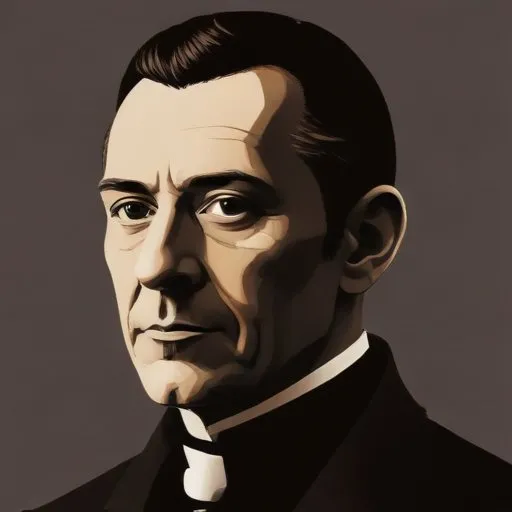
A Baroque-era composer of sacred music, known for his innovative use of harmony and counterpoint in masses, oratorios, and other choral works.
Imon Brixi, a renowned Czech composer, left an indelible mark on the musical landscape of Prague in the early 18th century. Born on October 28, 1693, in Vlkava, Brixi's contributions to the world of sacred music, particularly in the realm of church choirs, continue to inspire and influence musicians to this day.
Brixi's passion for music led him to abandon his law studies in Prague in 1720, instead devoting himself to the pursuit of musical excellence. This decision proved to be a turning point in his life, as he went on to become a prominent figure in Prague's musical scene.
In 1727, Brixi assumed the role of teacher and choirmaster at the St. Martin Church in the Old Town of Prague, a position that allowed him to showcase his talents and shape the sound of the city's churches. During his tenure, he composed an array of works, including offertoria, gradualia, Regina Coeli, Salve Reginas, requiems, litanies, Te Deums, and church cantatas, many of which were inspired by folk spiritual music.
Brixi's compositions were heavily influenced by Italian Baroque music, a style that he meticulously studied and incorporated into his own works. Additionally, he drew inspiration from the church compositions of Jan Dismas Zelenka, a fellow Czech composer. Brixi's unique blend of traditional and modern styles resulted in a distinctive sound that continues to captivate audiences.
Despite the passage of time, Brixi's music has endured, with approximately 21 of his compositions preserved to this day. These works, many of which can be found in the church archive at Mlnk, serve as a testament to his innovative spirit and dedication to the craft of composition.
Brixi's contributions to the world of sacred music have had a lasting impact on the cultural fabric of Prague, continues to inspire generations of composers and musicians.
His unique blend of traditional and modern styles has left an indelible mark on the Czech musical tradition, influencing countless composers who followed in his footsteps.
Brixi's music serves as a window into the past, offering a glimpse into the cultural and artistic landscape of 18th-century Prague.
Though the precise date of his death remains unknown, Imon Brixi's legacy lives on, a testament to the power of music to transcend time and inspire future generations.
As we reflect on the life and legacy of Imon Brixi, we are reminded of the profound impact that one person can have on the world of music. Through his compositions, Brixi continues to inspire, educate, and entertain, leaving behind a rich cultural heritage that will be cherished for centuries to come.
Born in 1756
A child prodigy and master of classical music, he composed over 600 works, including symphonies, operas, and chamber music, that continue to inspire and influence musicians today.
Born in 1770
A musical genius who expanded the possibilities of classical music, creating iconic symphonies and piano sonatas that continue to inspire and influence generations of artists.
Born in 1714
A pioneering opera composer who revolutionized the art form with his innovative and expressive works, blending music and drama in a way that captivated audiences.
Born in 1782
A virtuosic violinist and composer who revolutionized the instrument's technical possibilities, leaving an indelible mark on classical music.
Born in 1797
A renowned composer of symphonies, operas, and chamber music, particularly famous for his emotional and expressive lieder (art songs) that showcased his mastery of melody and harmony.
Born in 1792
Operatic mastermind behind iconic comedies like "The Barber of Seville" and "William Tell," crafting catchy, witty, and playful music that still delights audiences today.
Born in 1678
A virtuosic violinist and prolific composer, he crafted over 400 concertos, including "The Four Seasons," which remains a beloved and iconic masterpiece of classical music.
