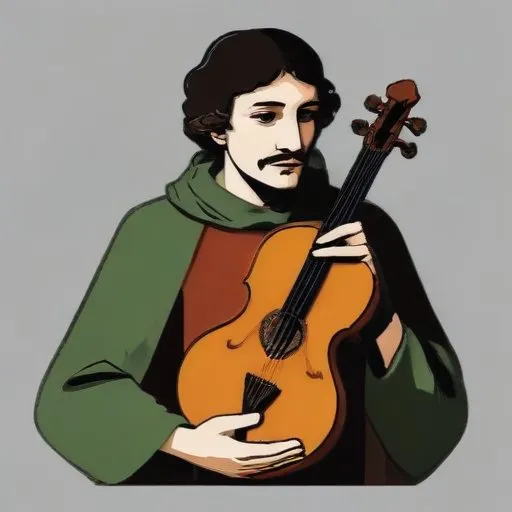
Jan Dismas Zelenka: The Czech Composer and Master of Counterpoint
A Life of Harmony and Innovation
Jan Dismas Zelenka, a Czech composer and musician of the Baroque period, is renowned for his harmonic inventiveness and mastery of counterpoint. His music, characterized by its rich textures and intricate harmonies, continues to captivate audiences and inspire composers to this day.
Early Life and Education
Born on October 16, 1679, in Louovice pod Blankem, a market town southeast of Prague, Bohemia, Zelenka was the eldest of eight children. His father, Ji Zelenka, a schoolmaster and organist, likely introduced him to music at a young age. Zelenka received his musical training at the Jesuit college Clementinum in Prague, where he honed his skills on the violone (bass viol).
Rise to Prominence
In 1709, Zelenka served Baron von Johann Hubert von Hartig in Prague, a well-known connoisseur of music and a virtuoso musician. This association granted Zelenka access to Hartig's extensive music library, which included works by prominent Italian composers such as Antonio Lotti. In 1710, Zelenka was appointed as a violone player in Dresden's royal orchestra, marking the beginning of his successful career.
Major Works and Compositions
Zelenka's oeuvre includes numerous works, including masses, oratorios, and instrumental pieces. Some of his most notable compositions include:
- Sub olea pacis et palma virtutis, a grand composition performed in the presence of Emperor Charles VI in 1723, shortly after his coronation as King of Bohemia.
- Missio Santissimae Genetricis Dei, a mass written in 1723, showcasing Zelenka's mastery of counterpoint.
- Responsoria pro hebdomada sancta, a collection of responsories written for Holy Week, demonstrating Zelenka's skill in setting sacred texts to music.
Legacy and Influence
Zelenka's music had a significant impact on his contemporaries, including
Johann Sebastian Bach, who acquired a copy of Zelenka's library, including Antonio Lotti's
Missa Sapientiae.
George Frideric Handel may have also obtained a copy of the same mass through Zelenka. This exchange of musical ideas highlights the importance of Zelenka's contributions to the development of Baroque music.
Personal Life and Milestones
Little is known about Zelenka's personal life, aside from his professional achievements. However, it is clear that he was a devoted musician, dedicated to his craft. Throughout his life, Zelenka remained in Dresden, where he continued to compose and perform music until his death on December 23, 1745.
Conclusion
Jan Dismas Zelenka's remarkable talent, innovative compositions, and dedication to his craft have secured his place as one of the most important Czech composers of the Baroque period. His music, characterized by its harmonic richness and mastery of counterpoint, continues to inspire and delight audiences today.
FAQ
What instrument did Jan Dismas Zelenka primarily compose for?
Jan Dismas Zelenka primarily composed for the viol, an instrument he was highly skilled at playing. He wrote numerous works for the viol, showcasing its unique sound and capabilities.
What was Jan Dismas Zelenkas role in the court of Dresden?
Jan Dismas Zelenka served as the court composer and violist in the royal court of Dresden, where he wrote music for the royal family and performed at various state occasions.
What style of music did Jan Dismas Zelenka compose?
Jan Dismas Zelenka composed music in the Baroque style, characterized by complex harmonies and intricate melodies.
Who were Jan Dismas Zelenkas contemporaries?
Jan Dismas Zelenkas contemporaries included famous composers such as Johann Sebastian Bach and George Frideric Handel, with whom he shared a passion for Baroque music.
Are Jan Dismas Zelenkas compositions still performed today?
Yes, Jan Dismas Zelenkas compositions are still widely performed today, with many musicians and ensembles around the world interpreting his works.