East Germany seals off West Berlin with the Berlin Wall
In a desperate bid to stem the flow of refugees, communist East Germany, under the watchful eye of Soviet Premier Nikita Khrushchev, slammed shut the border with West Berlin, a capitalist oasis nestled deep in Soviet-occupied territory. Overnight, soldiers and police cordoned off the 96-mile perimeter, unleashing a frenzy of barbed wire, concrete, and guard towers. The Berlin Wall, a potent symbol of the Cold War's frosty grip, had begun to take shape, cutting off West Berliners from their eastern brethren and cementing the city's infamous divide.
The Fateful Day of Barbed Wire Sunday: A Pivotal Moment in the Cold War
The Event that Sealed the Fate of Berlin
On August 13, 1961, the government of East Germany, under the auspices of Soviet Premier
Nikita Khrushchev, took drastic measures to curb the exodus of its citizens to the West. In a bold and unprecedented move, the border between East and West Berlin was sealed, marking the beginning of the construction of the Berlin Wall, a physical embodiment of the Iron Curtain. This day would come to be known as Barbed Wire Sunday, a poignant reminder of the division that would shape the city's identity for decades to come.
Historical Background: The Great Escape
In the aftermath of World War II, Germany was divided into four zones, with the Soviet Union controlling the eastern sector. As the Cold War intensified, the ideological differences between the Eastern Bloc and Western powers grew more pronounced. The East German government, struggling to contain the flow of refugees fleeing to the West, faced a crisis of legitimacy. Between 1949 and 1961, over 2.5 million East Germans, including many skilled workers and intellectuals, escaped to West Berlin, crippling the East German economy and embarrassing the Soviet-backed regime.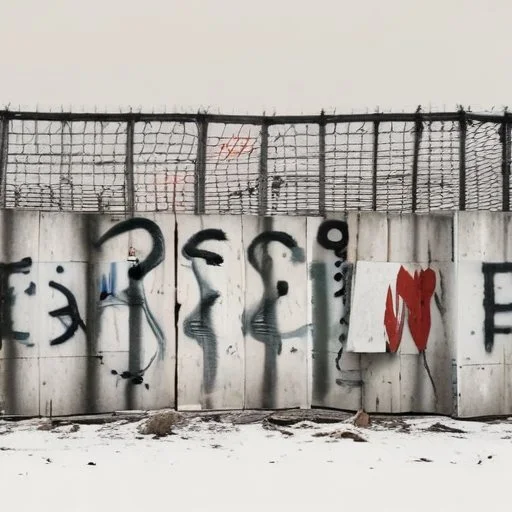
The Timeline of Events
- August 12, 1961: East German authorities, with Soviet backing, begin to mobilize troops and police to seal the border.
- August 13, 1961: The border is officially closed, and construction of the Berlin Wall commences.
- August 14-15, 1961: West Berliners, in a show of defiance, gather at the border to protest the closure.
- August 1961-1989: The Berlin Wall stands as a symbol of division, with numerous escape attempts, some successful, others tragic.
Key Figures Involved
While Nikita Khrushchev, the Soviet Premier, and Walter Ulbricht, the East German leader, were the primary architects of the Berlin Wall, other key players included:
- John F. Kennedy, the U.S. President, who famously declared "Ich bin ein Berliner" in solidarity with West Berliners.
- Willy Brandt, the West Berlin Mayor, who played a crucial role in maintaining the city's connection to the West.
- Egon Bahr, a key advisor to Brandt, who facilitated secret negotiations with the East German government.
Major Outcomes and Impacts
The construction of the Berlin Wall had far-reaching consequences, including:
- The division of a city, with over 155 kilometers of wall, watchtowers, and raked gravel to detect footprints.
- The stifling of East Germany's economy, as the brain drain continued, and skilled workers were unable to escape.
- The galvanization of international opinion against communism, as the wall became a potent symbol of oppression.
Cultural and Social Influences
The Berlin Wall's presence permeated every aspect of Berliners' lives, inspiring:
- Artistic expressions, such as the graffiti that covered the wall, and the music of David Bowie, who famously performed in West Berlin.
- Literary works, like John le Carré's The Spy Who Came in from the Cold, which explored the espionage and intrigue surrounding the wall.
- Humanitarian efforts, as organizations like the Red Cross and the escapes' support groups worked to reunite families and provide aid to those affected.
Controversies and Public Perception
The Berlin Wall's construction sparked widespread outrage, with many regarding it as a blatant violation of human rights. The wall's presence:
- Sparkeded heated debates about the role of the United States and its allies in protecting West Berlin.
- Raised questions about the legitimacy of the East German government and its relationship with the Soviet Union.
- Highlighted the disparity between the affluent West and the impoverished East, fueling Cold War tensions.
Personal Accounts and Anecdotes
The stories of those who lived through the era of the Berlin Wall offer a poignant glimpse into the human cost of division:
- Ingrid Betancourt, a Colombian-French politician, who was born in West Berlin and later became a vocal advocate for human rights.
- Harry Seidel, a young East German who attempted to escape in 1962, only to be caught and imprisoned for 18 months.
- Monika Kaiser, a West Berliner who, as a child, would often visit the wall with her family, leaving flowers and messages for those on the other side.
Impact on Future Events
The Berlin Wall's legacy extends far beyond its physical presence, influencing:
- The fall of communism in Eastern Europe, as the wall's removal in 1989 marked a symbolic end to the Cold War.
- The reunification of Germany, as the country embarked on a journey of healing and reconstruction.
- The ongoing debate about the role of borders and walls in modern geopolitics, as nations grapple with issues of migration, security, and identity.
Conclusion: A Symbol of Division, a Testament to Resilience
The Berlin Wall, that imposing physical barrier, remains an enduring symbol of the Cold War's frosty grip. Yet, it is also a testament to the resilience of the human spirit, a beacon of hope for those who dared to dream of a unified Germany, and a powerful reminder of the importance of freedom, democracy, and human rights. As the world continues to navigate the complexities of geopolitics, the story of Barbed Wire Sunday serves as a poignant reminder of the devastating consequences of division and the unrelenting power of human aspiration.
Complete Historical Record
The concept of a physical barrier between East and West Berlin was not new, as the Soviet Union had previously attempted to blockade West Berlin in 1948. However, the construction of the Berlin Wall marked a new level of intensity in the Cold War, as it became a powerful symbol of the ideological divide between communism and democracy.
In the years leading up to the wall's construction, the Soviet Union and East Germany had been experimenting with various methods to stem the flow of refugees, including the use of razor wire, tripwires, and watchtowers. The decision to build a physical wall was likely influenced by the success of similar barriers in other Soviet-bloc countries, such as the Hungarian-Czechoslovak border.
Character Examination
Walter Ulbricht: The Architect of the Berlin Wall
Walter Ulbricht, the leader of East Germany, played a crucial role in the construction of the Berlin Wall. A staunch communist, Ulbricht was determined to stem the flow of refugees and maintain the Soviet-backed regime's grip on power. His decision to build the wall was likely motivated by a desire to prove his loyalty to Moscow and solidify his position as a key player in the Soviet-bloc.
Despite his firm stance against the West, Ulbricht was not without his own personal struggles. His wife, Lotte, had fled to the West in the 1950s, and Ulbricht was known to have been deeply affected by her departure.
Comprehensive Cultural Examination
The Berlin Wall's construction had a profound impact on the city's cultural landscape, as artists, musicians, and writers used the wall as a canvas for their work. Graffiti artists, in particular, played a significant role in shaping the wall's visual identity, with many using their work to express anti-communist sentiment and advocate for reunification.
The wall also inspired a wave of creative output, including films, literature, and music. The iconic song "Wind of Change" by the Scorpions, for example, became an anthem for the pro-democracy movement in East Germany.
Political Dynamics Report
The Berlin Wall's construction marked a significant shift in the geopolitical landscape of Europe, as the Soviet Union and East Germany redrew the boundaries of the Cold War. The wall became a powerful symbol of the ideological divide between communism and democracy, and its construction marked a new era of tension and hostility between the Eastern and Western blocs.
The wall's presence also sparked a series of diplomatic crises, as the United States and its allies responded to the Soviet Union's actions with a mix of outrage and caution. The events surrounding the wall's construction would go on to shape the course of international relations for decades to come.
Geopolitical Overview
The construction of the Berlin Wall was not an isolated event, but rather part of a broader pattern of Soviet expansion and consolidation in Eastern Europe. In the years leading up to the wall's construction, the Soviet Union had been actively working to solidify its control over the Eastern bloc, using a combination of economic, military, and cultural means to maintain its influence.
The wall's presence also had significant implications for the balance of power in Europe, as it created a physical barrier between the Eastern and Western blocs. This, in turn, led to a series of militarization and fortification efforts on both sides, further entrenching the divisions of the Cold War.


