


The Battle of Waterloo, fought on June 18, 1815, is famously known for marking the decisive defeat of Napoleon Bonaparte, forcing him to abdicate the throne of France for the second and last time. This pivotal battle saw the combined forces of the Duke of Wellington and Gebhard Leberecht von Blücher clash with Napoleon's French troops in a brutal and bloody engagement near Waterloo, Belgium.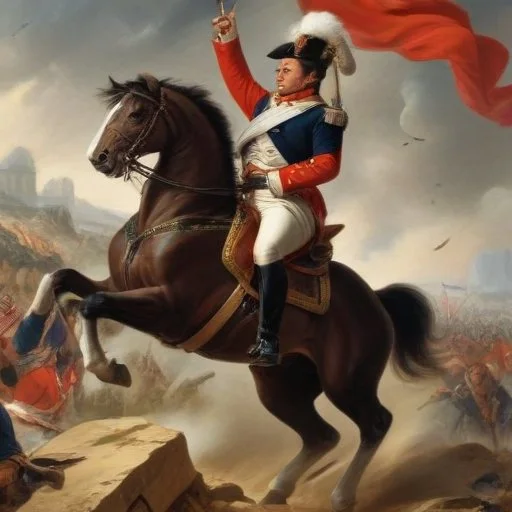
The Napoleonic Wars had been raging across Europe for over a decade, with Napoleon's ambition for a French empire driving his military conquests. Following his escape from exile on the island of Elba, Napoleon returned to power in France, sparking a renewed wave of conflict with European powers. TheCoalition of the Seventh, comprising Britain, Prussia, and other European states, rallied to defeat Napoleon once and for all.
June 18, 1815:
The Battle of Waterloo marked the final defeat of Napoleon Bonaparte and the end of his reign of power. The consequences of the battle were far-reaching:
The Battle of Waterloo had a profound impact on art, literature, and society in the 19th century:
"An army of sheep led by a lion is better than an army of lions led by a sheep."
- Napoleon Bonaparte"Nothing except a battle lost can be half so melancholy as a battle won."
- The Duke of WellingtonThe Battle of Waterloo marked the end of Napoleon's reign and the French Empire, but its influence extends far beyond the battlefield:
In conclusion, the Battle of Waterloo stands as a defining moment in history, marking the downfall of Napoleon Bonaparte and the end of an era of French dominance in Europe. The legacy of this epic battle continues to inspire and influence us to this day.
The Battle of Waterloo was not just a single battle, but a series of engagements that took place on June 18, 1815. The main battle was fought at La Haye Sainte, a strategic farmhouse that was fiercely contested by French and British forces. Meanwhile, the Prussian army under Blücher was engaged with the French right wing at the Battle of Wavre, slowing down Napoleon's reinforcements.
The battle was also marked by a series of cavalry charges, including the famous charge of the Scots Greys, who routed a French artillery battery, and the heroic but ultimately doomed charge of the French cuirassiers, who were cut down by British artillery and infantry.
La Haye Sainte, a small farmhouse, became a crucial stronghold for the British forces, serving as a bastion against the French attacks. The farmhouse was defended by a small garrison of German troops, who held out against relentless French assaults until the arrival of British reinforcements.
Napoleon's obsessive personality and unyielding ambition were key factors in his downfall. His decision to attack the Anglo-Allied army at Waterloo, despite being outnumbered and outgunned, was a testament to his confidence in his own military genius.
However, his tactical mistakes, such as delaying the attack until 11:30 am, allowed the Prussians to arrive on the battlefield and tip the balance in favor of the Coalition forces. Napoleon's inability to adapt to changing circumstances ultimately sealed his fate.
Wellington's leadership style was in stark contrast to Napoleon's. He was a cautious and pragmatic commander, who preferred to wait for the enemy to make the first move before responding. This approach allowed him to conserve his forces and capitalize on Napoleon's mistakes.
The Battle of Waterloo is often compared to the Battle of Austerlitz, where Napoleon had achieved a stunning victory over the Austrian and Russian armies. However, while Austerlitz was a masterpiece of tactical genius, Waterloo was a brutal and bloody slog, with both sides suffering heavy casualties.
Despite the differences in outcome, both battles showcased Napoleon's tactical brilliance, but also highlighted the limitations of his military strategy. At Austerlitz, Napoleon's army was at the peak of its power, while at Waterloo, it was a shadow of its former self, worn down by years of war and defeat.
The contrast between the two battles serves as a testament to the changing nature of warfare in the early 19th century, as well as the evolving nature of Napoleon's own military strategy.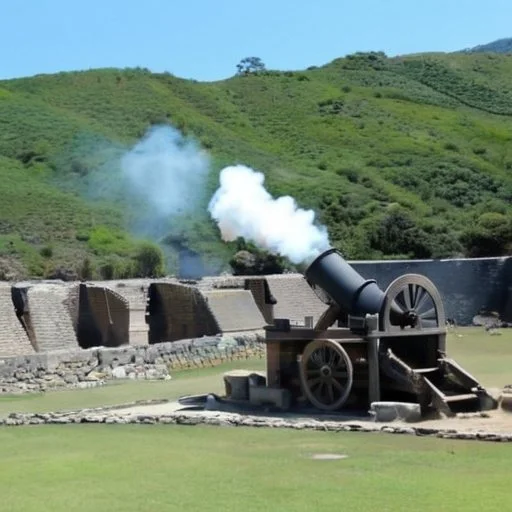
The Battle of Waterloo had a profound impact on European art and literature, inspiring a wave of Romantic-era works that celebrated the heroism and tragedy of the battle. From Byron's Ode to Napoleon to Victor Hugo's Les Misérables, the battle has been immortalized in countless works of literature and art.
The battle also influenced the development of military music, with the famous "Charge of the Scots Greys" becoming a staple of British military bands. The image of the Battle of Waterloo has been etched into European cultural consciousness, symbolizing the end of an era of French dominance and the dawn of a new era of European politics.
The cultural legacy of Waterloo continues to inspire artists, writers, and musicians to this day, serving as a powerful symbol of courage, sacrifice, and the human cost of war.
The Battle of Waterloo marked a significant shift in the European balance of power, as the Congress of Vienna redrew the map of Europe and established a new order. The defeat of Napoleon allowed for the rise of new powers, such as Prussia and Britain, and paved the way for the unification of Germany and Italy.
The battle also marked the end of the French Revolutionary era, which had dominated European politics for over two decades. The restored Bourbon monarchy in France and the Congress of Vienna's focus on nationalism and sovereignty marked a new era of European politics, characterized by the rise of nation-states and the decline of imperial powers.
The long-term consequences of Waterloo were far-reaching, shaping the course of European history for centuries to come and laying the groundwork for the complex system of alliances and rivalries that would characterize the 19th and 20th centuries.