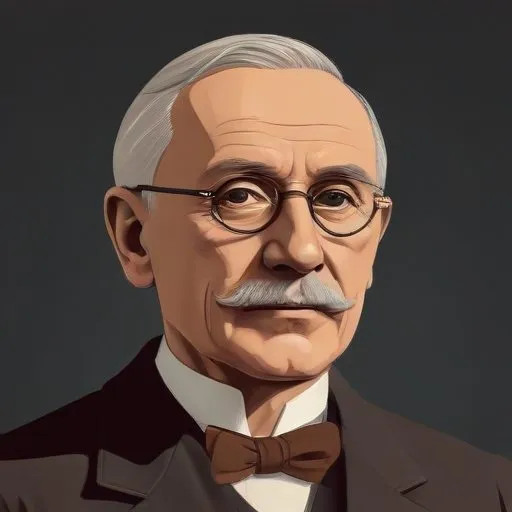
Adolf Otto Reinhold Windaus: The Pioneering Chemist Behind Vitamin D
A Nobel Laureate in Chemistry
Adolf Otto Reinhold Windaus was a German chemist who made groundbreaking contributions to the field of chemistry, earning him the Nobel Prize in Chemistry in 1928. He is most renowned for his work on the discovery of vitamin D, a crucial nutrient essential for human health.
Early Life and Education
Windaus was born on December 25, 1876, in Berlin, Germany, to a family of intellectuals. He pursued his higher education at the University of Berlin, where he earned his Ph.D. in chemistry in 1899. His academic excellence and research potential led him to work under the guidance of prominent chemists, including Emil Fischer and
Adolf von Baeyer.
Career Highlights and Major Works
Windaus' research focused on the chemistry of cholesterol and its relationships with other sterols. His work led to the discovery of vitamin D, a crucial component in the prevention of rickets, a disease affecting children's bone development. Some of his notable contributions include:
- Isolating and characterizing cholesterol and its derivatives
- Developing methods for the synthesis of cholesterol and its analogs
- Elucidating the structure of vitamin D and its role in human health
Awards and Honors
Windaus' outstanding contributions to chemistry earned him numerous awards and honors, including:
- Nobel Prize in Chemistry (1928)
- Goethe Medal (1941)
- Adolf von Baeyer Memorial Medal (1927)
Influence on Modern Society
Windaus' discovery of vitamin D has had a profound impact on public health. His work led to the development of vitamin D supplements, which have been instrumental in preventing and treating rickets and other bone disorders. His research also paved the way for further investigations into the role of vitamins in human health.
Personal Milestones and Key Life Events
Windaus' personal life was marked by significant events, including:
- Marriage to Elisabeth Grebin in 1902
- Becoming a professor at the University of Göttingen in 1913
- Retirement from academia in 1944
Legacy and Historical Context
Windaus' work was conducted during a time of significant scientific progress, and his discoveries had far-reaching implications for the field of chemistry and beyond. His research laid the foundation for future investigations into the chemistry of biological molecules and paved the way for the development of modern vitamin therapy.
Adolf Otto Reinhold Windaus passed away on June 9, 1959, leaving behind a legacy of groundbreaking research and a testament to the power of human curiosity and ingenuity.
FAQ
What was Adolf Otto Reinhold Windauss contribution to organic chemistry?
Adolf Otto Reinhold Windaus was a German chemist who made significant contributions to the field of organic chemistry. He won the Nobel Prize in Chemistry in 1928 for his work on the synthesis of sterols and bile acids.
What was Adolf Otto Reinhold Windauss Nobel Prize winning research?
Adolf Otto Reinhold Windauss Nobel Prize winning research focused on the synthesis of cholesterol and other sterols. His work led to a greater understanding of the structure and properties of these compounds.
What is Adolf Otto Reinhold Windauss legacy in the field of chemistry?
Adolf Otto Reinhold Windauss legacy in the field of chemistry is that of a pioneering researcher who made significant contributions to our understanding of organic compounds. His work paved the way for further research in the field.
What was Adolf Otto Reinhold Windauss role in the development of vitamins?
Adolf Otto Reinhold Windauss work on the synthesis of sterols and bile acids led to a greater understanding of the role of vitamins in human health. His research contributed to the development of vitamin therapy and the treatment of diseases related to vitamin deficiencies.
What were Adolf Otto Reinhold Windauss views on the importance of scientific research?
Adolf Otto Reinhold Windaus believed in the importance of fundamental scientific research and its potential to improve human life. He was a strong advocate for investment in scientific research and education.