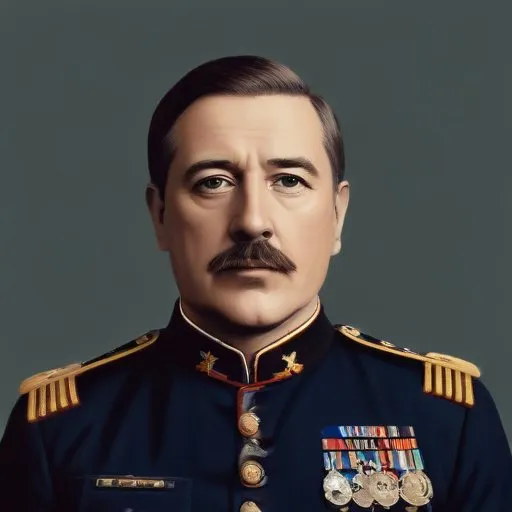
Adolphus Greely: The Intrepid Arctic Explorer and Military Hero
A Life of Adventure and Service
Adolphus Greely is best known for his fearless expeditions to the Arctic Circle, where he braved treacherous landscapes and unforgiving climates to expand our understanding of the natural world. As a decorated military officer, he served his country with distinction, earning the Medal of Honor for his exceptional service.
Early Life and Military Career
Born on March 27, 1844, in Newburyport, Massachusetts, Greely grew up with a sense of adventure and a strong work ethic. He enlisted in the Union Army in 1861, during the American Civil War, and quickly rose through the ranks, earning brevet promotions to major and captain. After the war, he remained in the regular army, eventually becoming a captain in 1873.
The Lady Franklin Bay Expedition
In 1881, Greely was appointed to command the Lady Franklin Bay Expedition, a 25-man mission to conduct Arctic explorations. The expedition aimed to collect scientific data, establish a northern outpost, and search for survivors of the lost Arctic Expedition led by Sir
John Franklin. However, the mission was plagued by inadequate supplies, failed rescue attempts, and harsh weather conditions. Greely and his men were eventually rescued in 1884, but not before they had suffered terrible hardships, including the loss of 19 lives.
Signal Officer and Military Leadership
In 1887, Greely was appointed Chief Signal Officer of the Army, with the rank of brigadier general. In this role, he oversaw the development of global communication networks, playing a crucial role in the Spanish-American War and the Philippine-American War. His exceptional leadership earned him a promotion to major general in 1906.
Later Life and Legacy
After retiring from the military in 1908, Greely devoted himself to writing, publishing numerous articles and books on his Arctic experiences. In 1935, he was awarded the Medal of Honor for his lifetime of public service. Greely passed away on October 20, 1935, and was buried at Arlington National Cemetery.
Awards and Honors
- Medal of Honor (1935)
- Brevet promotion to major (1865)
- Rank of brigadier general (1887)
- Rank of major general (1906)
Personal Milestones and Key Life Events
- Graduated from Brown High School (now Newburyport High School) in 1860
- Enlisted in the Union Army in 1861
- Received commission as second lieutenant in 1863
- Commanded the Lady Franklin Bay Expedition (1881-1884)
- Appointed Chief Signal Officer of the Army (1887)
- Promoted to major general (1906)
- Retired from the military (1908)
Historical Context and Legacy
Greely's expeditions to the Arctic Circle expanded our understanding of the region's geography, geology, and climate. His leadership and bravery in the face of adversity inspired generations of explorers, scientists, and military personnel. Today, he is remembered as a pioneer in the field of Arctic exploration and a decorated military hero.
FAQ
What was Adolphus Greelys role in the US Army?
Adolphus Greely was a US Army general and explorer who led several expeditions to the Arctic region. He was a pioneer in the field of Arctic exploration and was awarded the Medal of Honor for his bravery during the Spanish-American War.
What was Adolphus Greelys most famous expedition?
Greelys most famous expedition was the Lady Franklin Bay Expedition of 1881-1884, which aimed to establish a scientific outpost in the Arctic Circle. The expedition was marked by extreme hardship and tragedy, but it also provided valuable scientific data and insights into the Arctic region.
What were the scientific contributions of Adolphus Greelys expeditions?
Greelys expeditions contributed significantly to our understanding of the Arctic region, including its geography, climate, and natural resources. His expeditions also provided valuable data on magnetism, astronomy, and other scientific fields.
How did Adolphus Greelys experiences in the Arctic impact his life and career?
Greelys experiences in the Arctic had a profound impact on his life and career. He wrote several books about his expeditions and became a celebrated figure in American society. He also continued to serve in the US Army, eventually rising to the rank of major general.
What is Adolphus Greelys legacy in the history of Arctic exploration?
Adolphus Greelys legacy in the history of Arctic exploration lies in his bravery, determination, and scientific contributions. His expeditions paved the way for future explorers and scientists, and his work continues to inspire those who venture into the Arctic region.