


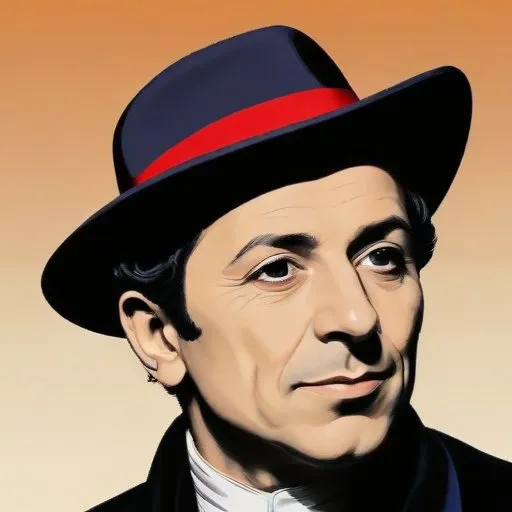
A 17th-century composer and diplomat who wrote operas and sacred music, and served as a diplomat for the Elector of Bavaria. His music was admired by Handel and Bach.
Agostino Steffani was a renowned Italian bishop, polymath, diplomat, and composer, leaving an indelible mark on the world of music and diplomacy. Born on July 25, 1654, Steffani's extraordinary talents and versatility propelled him to become a celebrated figure in his lifetime, with his operas and compositions still admired today.
Steffani's musical journey began at a young age, as a chorister at San Marco in Venice. His exceptional talent soon led to him singing in important occasions, and by the age of 11 and 12, he was already performing in operas in Venice. At 13, he received patronage and moved to Munich, where his education was completed under the expense of Ferdinand Maria, Elector of Bavaria.
Under the guidance of Johann Kaspar Kerll, Steffani received instruction and was later sent to study in Rome, where Ercole Bernabei was his master. During this time, he composed six motets, the original manuscripts of which are now preserved in the Fitzwilliam Museum at Cambridge.
In 1675, Steffani was appointed court organist, marking the beginning of his illustrious career. He went on to compose numerous operas, including Marco Aurelio, Solone, Audacia e rispetto, Prerogative d'amore, Servio Tullio, Alarico, and Niobe, regina di Tebe. These works not only solidified his position as a prominent composer but also exercised a profound influence on the dramatic music of the period.
In addition to his musical prowess, Steffani was an accomplished diplomat. He served as a court diplomat and was involved in various diplomatic missions, utilizing his exceptional skills to navigate complex political situations.
Although the exact date of his ordination as a priest is unknown, Steffani's ecclesiastical status did not hinder his pursuit of a diplomatic career. He continued to compose music, even as he went on to become a bishop.
Agostino Steffani's remarkable life and achievements have left an enduring impact on the world of music and diplomacy. His operas, still admired today, testify to his innovative spirit and artistic genius. As a diplomat, he showcased exceptional skills, demonstrating the versatility and adaptability that defined his remarkable career.
Agostino Steffani's remarkable life, marked by his exceptional talents, versatility, and accomplishments, continues to inspire and fascinate audiences to this day, solidifying his place as one of the most renowned Italian polymaths of his time.
Born in 1685
A renowned Baroque composer and organist, famous for creating majestic orchestral suites, operas, and oratorios, including the iconic "Messiah" masterpiece.
Born in 1678
A virtuosic violinist and prolific composer, he crafted over 400 concertos, including "The Four Seasons," which remains a beloved and iconic masterpiece of classical music.
Born in 1685
A master of Baroque music, he composed over 1,000 works, including orchestral suites, cantatas, and passions, that still inspire and influence musicians today. His innovative use of counterpoint and harmony raised the bar for classical music.
Born in 1685
A virtuosic harpsichordist and composer, renowned for crafting over 550 sonatas that showcased his innovative and expressive style, blending Italian and Portuguese influences. 42
Born in 1653
A virtuosic violinist and composer who revolutionized the concerto grosso form, creating a new era of classical music. His influential works elevated the violin to a solo instrument, shaping the course of Western classical music.
Born in 1660
Baroque-era mastermind behind over 600 cantatas, operas, and orchestral works, shaping the course of classical music with his innovative style and harmonic genius.
