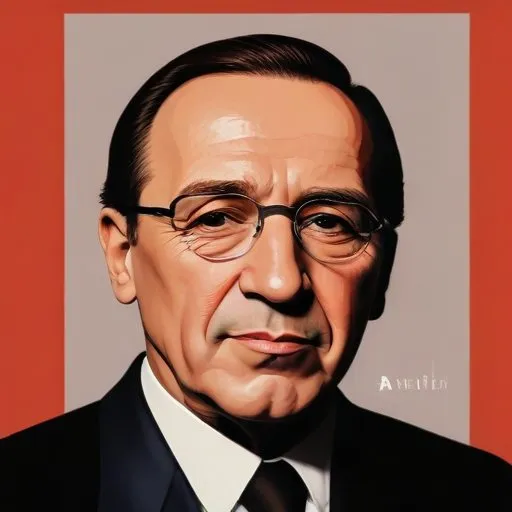
Arnold Zweig: The Pacifist Writer Who Chronicled the Horrors of War
A Life of Words and Witness
Arnold Zweig is best known for his monumental six-part cycle on World War I, a literary masterpiece that shook the literary world with its unflinching portrayal of war's brutality. As a German Jewish writer, pacifist, and socialist, Zweig's life was marked by a profound sense of justice and a relentless pursuit of peace.
Early Life and Education
Born on November 10, 1887, in Glogau, Prussian Silesia (now Gogów, Poland), Zweig was the son of Adolf Zweig, a Jewish shipping agent and harness maker, and his wife Bianca. He was not related to the famous Austrian writer
Stefan Zweig. Zweig's educational journey took him to various universities in Germany, including Breslau (Wrocław), Munich, Berlin, Göttingen, Rostock, and Tübingen, where he studied humanities, history, philosophy, and literature.
Influences and Inspirations
Friedrich Nietzsche's philosophy had a profound impact on Zweig's intellectual trajectory, shaping his worldview and informing his writing. His early literary works, such as
Novellen um Claudia (1913) and
Ritualmord in Ungarn, demonstrated his unique voice and secured his reputation as a rising literary star.
The War That Changed Everything
When World War I broke out, Zweig volunteered for the German army, serving as a private in France, Hungary, and Serbia. However, his experiences during the war fundamentally altered his perspective. The infamous
Judenzählung (Jewish census) in the German army, which he witnessed in 1917, left him shaken and disillusioned. In a letter to
Martin Buber, Zweig wrote, "The
Judenzählung was a reflection of unheard sadness for Germany's sin and our agony." This event marked a turning point in his life, as he began to revise his views on the war and ultimately became a passionate pacifist.
The Writer as Witness
Zweig's wartime experiences inspired some of his most powerful works, including the short story "
Judenzählung vor Verdun". His writing became a testament to the horrors of war, as he sought to convey the human cost of conflict and the devastating impact on individuals and communities. Through his writing, Zweig bore witness to the atrocities of war, and his work continues to serve as a powerful anti-war statement.
Personal Life and Legacy
In 1916, Zweig married Beatrice Zweig, a distant relative, and the couple had two sons, Michael (born 1920) and Adam (born 1924). Zweig's commitment to pacifism and socialism influenced his personal relationships and shaped his public persona. Despite facing criticism and controversy, Zweig remained steadfast in his convictions, leaving behind a legacy of remarkable literary works and a testament to the power of human conscience.
Major Works and Impact
Zweig's six-part cycle on World War I, comprising
The Case of Sergeant Grischa,
The Crowning of a King,
The Conquest of Siberia,
The City of Pontiac,
The War with the Posse, and
The Axe of Wandsbek, is widely regarded as a masterpiece of modern literature. His work has inspired generations of writers, intellectuals, and peace activists, cementing his position as a leading figure in 20th-century literature.
Quotations and Reflections
- "The Judenzählung was a reflection of unheard sadness for Germany's sin and our agony." - Letter to Martin Buber, 1917
- "War is a brutal, merciless force that crushes everything in its path." - The Case of Sergeant Grischa
A Legacy of Peace and Conscience
Arnold Zweig's life and work serve as a powerful reminder of the devastating consequences of war and the enduring importance of human conscience. Through his writing, Zweig continues to inspire us to strive for peace, justice, and humanity, leaving behind a legacy that will endure for generations to come.
FAQ
What was Arnold Zweigs most notable literary work?
Arnold Zweigs most notable literary work is his novel The Case of Sergeant Grischa, which explores the experiences of a soldier during World War I. This work is considered a classic of modern German literature.
How did Arnold Zweigs experiences as a soldier influence his writing?
Arnold Zweigs experiences as a soldier had a profound impact on his writing. He drew inspiration from his time in the trenches, and his works often explored themes of war, pacifism, and social justice.
What was Arnold Zweigs role in the German literary scene?
Arnold Zweig was a prominent figure in the German literary scene, known for his innovative style and exploration of new themes. He was part of a circle of influential writers and intellectuals, and his works had a significant impact on the development of German literature.
How did Arnold Zweigs Jewish heritage influence his writing?
Arnold Zweigs Jewish heritage had a significant impact on his writing. He often explored themes of identity, culture, and social justice, drawing from his own experiences as a Jew in Germany.
What awards and recognition did Arnold Zweig receive for his literary contributions?
Arnold Zweig received numerous awards and accolades for his literary contributions, including the Kleist Prize. His works were widely recognized and celebrated, cementing his place as one of Germanys most important writers.