


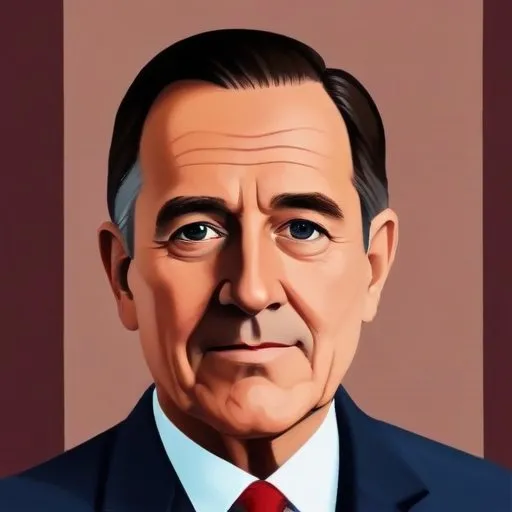
A renowned physician and politician who served as the 11th Governor-General of New Zealand, known for his contributions to medicine and public service.
Arthur Porritt, Baron Porritt, was a New Zealand physician, military surgeon, statesman, and athlete who made a lasting impact on the world stage. He is perhaps best known for winning a bronze medal in the 100m sprint at the 1924 Summer Olympics in Paris, France.
Born on August 10, 1900, in Whanganui, New Zealand, Porritt was the son of Ivy Elizabeth Porritt (née McKenzie) and Ernest Edward Porritt, a doctor. After his mother's passing in 1914, his father left to serve in World War I, leaving Porritt to pursue his education and athletic interests.
Porritt attended Wanganui Collegiate School before studying medicine at the University of Otago, where he was a resident at Selwyn College and President of the Selwyn College Students Association. In 1923, he was awarded a Rhodes Scholarship, which enabled him to study medicine at Magdalen College, Oxford, from 1924 to 1926.
Porritt's athletic prowess earned him a spot on the New Zealand team at the 1924 Summer Olympics, where he won a bronze medal in the 100m sprint. This achievement was immortalized in the 1981 film Chariots of Fire, although his name was changed to Tom Watson in the movie.
He also competed in the 200m event, winning two qualifying races, but did not advance to the semifinal. Porritt's Olympic career continued as captain of the New Zealand team at the 1928 Summer Olympics in Amsterdam, although he withdrew from the 100m event due to an injury.
Porritt holds the unique distinction of being one of only two people to have been the New Zealand flag bearer at the Olympic Games twice, the other being Les Mills. After retiring from athletics, he went on to become New Zealand's team manager at the 1934 British Empire Games in London and the 1936 Summer Olympics in Berlin.
In 1934, Porritt became the New Zealand member of the International Olympic Committee, a position he held until 1967. He also served as the 11th Governor-General of New Zealand from 1967 to 1972, earning the title of Baron Porritt.
Throughout his life, Porritt remained committed to public service and athletics. He passed away on January 1, 1994, leaving behind a legacy of athletic achievement, statesmanship, and dedication to his country.
Arthur Porritt, Baron Porritt, was a true Renaissance man, whose achievements in athletics, medicine, and statesmanship continue to inspire generations. His remarkable life serves as a testament to the power of dedication, hard work, and public service.
As a statesman, Porritt embodied the values of leadership, integrity, and duty, earning the respect and admiration of his peers and the people of New Zealand. As an athlete, he demonstrated the importance of discipline, perseverance, and fair play, inspiring countless individuals to strive for excellence in their own pursuits.
Born in 1926
The monarch of the United Kingdom and its Commonwealth realms, serving as a unifying figurehead and symbol of national identity, while also carrying out various ceremonial and charitable duties.
Born in 1894
The 12th Prime Minister of Australia, a lawyer-turned-politician who played a crucial role in shaping the country's post-war economy and foreign policy, and is often credited with establishing the modern Australian identity.
Born in 1893
Led the country through a period of significant economic growth and social change, implementing policies that shaped modern New Zealand. He's remembered for his strong leadership and nation-building efforts.
Born in 1904
A farmer-turned-politician who served as Prime Minister of New Zealand, known for his leadership during a period of significant economic and social change. He's remembered for his pragmatic and consensus-driven approach to governance.
Born in 1882
A lawyer-turned-politician who served as New Zealand's Prime Minister, implementing significant economic and social reforms, including the establishment of the country's welfare state.
Born in 1884
Scottish-New Zealand journalist and politician who served as the 24th Prime Minister of New Zealand, leading the country through significant social and economic reforms. He's known for his progressive policies and strong leadership during wartime.
Born in 1872
A pioneering politician who championed social welfare and unity, leading New Zealand through the Great Depression and World War II, implementing groundbreaking reforms and earning a revered legacy.
Born in 1923
A pioneering leader who championed social justice and environmental causes, serving as New Zealand's Prime Minister from 1972 to 1974. He's revered for his progressive policies and commitment to Maori rights.
