


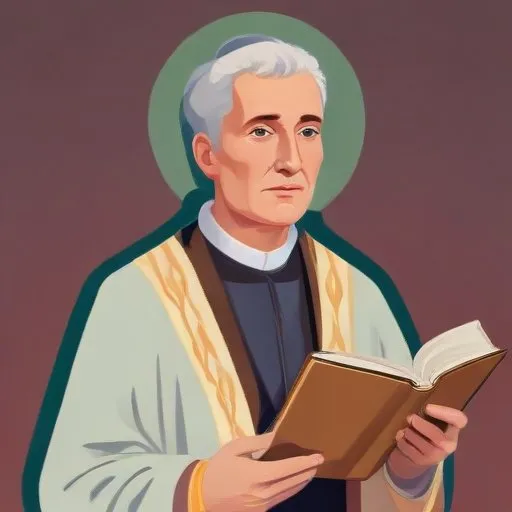
A prominent cleric and hymn writer, he penned the iconic hymn "Rock of Ages" and advocated for Calvinist theology. His works remain influential in Christian worship and literature.
Augustus Toplady, an Anglican cleric and hymn writer, is best remembered for his enduring contributions to Christian music, most notably his iconic hymn "Rock of Ages". With a life marked by spiritual awakenings, theological debates, and literary achievements, Toplady's legacy continues to resonate with Christians around the world.
Born on November 4, 1740, in Farnham, Surrey, England, Toplady's life was shaped by the early loss of his father, Richard, who died in the War of Jenkins' Ear when Augustus was just a year old. His mother, Catherine, played a significant role in nurturing his spiritual growth, and they moved to Westminster, where Toplady attended Westminster School from 1750 to 1755.
In 1755, Toplady's life took a pivotal turn when he attended a sermon preached by James Morris, a follower of John Wesley, in a barn in Codymain, County Wexford, Ireland. This experience sparked a spiritual awakening in the 15-year-old Toplady, which he remembered as his "effectual calling from God".
Toplady's spiritual awakening led him to Trinity College, Dublin, where he studied from 1755 to 1760. During this period, he became deeply interested in theology, particularly Calvinism, and developed a strong opposition to John Wesley's Arminian views. This theological rivalry led to a series of pamphlets and treatises, in which Toplady passionately defended Calvinist doctrine.
Toplady's literary talents extended beyond theological debates to hymn writing. His most famous hymn, "Rock of Ages", remains a beloved classic, and three of his other hymns – "A Debtor to Mercy Alone", "Deathless Principle", and "Object of My First Desire" – continue to be sung in churches today.
Toplady's contributions to Christian music and theology have left an indelible mark on modern society. His hymns continue to inspire and comfort Christians worldwide, while his theological writings remain an important part of the Calvinist tradition.
Toplady's legacy serves as a testament to the power of faith and the importance of theological inquiry. His life and works remind us that even in the midst of controversy and debate, the pursuit of truth and devotion to God can lead to timeless and enduring contributions.
Born in 1674
A renowned hymnwriter and theologian who penned over 750 hymns, including "Joy to the World" and "When I Survey the Wondrous Cross", shaping Christian worship and literature.
Born in 1891
A pioneering historian and author who shed light on African American history and culture through his extensive research and writings. His works helped to preserve and promote the contributions of African Americans to the country's development.
Born in 1714
A charismatic Anglican priest who led a spiritual revival in 18th-century England and America, preaching to massive crowds and influencing the development of evangelical Christianity.
Born in 1703
A prominent figure in the 18th-century Methodist movement, he founded the Methodist Church and emphasized personal faith, social justice, and education. His teachings and legacy continue to shape Protestantism today.
Born in 1731
A renowned poet and hymnwriter, known for his evocative and expressive works that explored themes of nature, faith, and the human experience. His hymns, such as "Light Shining Out of Darkness", remain popular to this day.
Born in 1725
A former slave trader who later became a prominent abolitionist and wrote the iconic hymn "Amazing Grace". He's a symbol of redemption and a powerful voice against slavery.
Born in 1662
A 17th-century Welsh minister and scholar who wrote exhaustive commentaries on the Bible, still widely read and respected today for their insight and clarity.
Born in 1799
Founded the Walgreens pharmacy chain, revolutionizing retail healthcare with innovative business strategies and expansion tactics.
