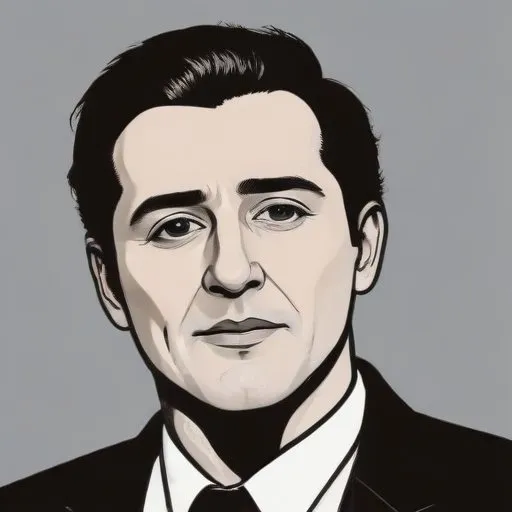
Benedikt Schack: The Tenor Who Stole Mozart's Heart
The Voice Behind the Magic Flute
Benedikt Schack was a renowned Czech composer and tenor of the Classical era, best known for being the first performer of the role of Tamino in Mozart's opera
The Magic Flute. His lifelong friendship and professional collaboration with Mozart remains one of the most fascinating aspects of his career.
A Humble Beginning
Born on February 7, 1758, in Mirotice, Bohemia (now the Czech Republic), Schack began his musical journey as a chorister at the cathedral in Prague at the tender age of 15. He later moved to Vienna in 1775 to study medicine, philosophy, and singing under the guidance of Karl Frieberth, a tenor who performed under Joseph Haydn.
The Kapellmeister Years
From 1780, Schack worked as a Kapellmeister to Prince Heinrich von Schnaich-Carolath in Silesia for several years, honing his compositional skills and developing his unique style. This period laid the foundation for his future collaborations with Mozart and other prominent composers of the era.
Becoming Mozart's Confidant
In 1786, Schack joined Emanuel Schikaneder's traveling theatrical troupe, where he met Mozart. The two musicians formed a close bond, with Mozart often visiting Schack to offer advice and assistance on his compositions. This fruitful partnership led to some of Schack's most celebrated works, including the opera
Der Stein der Weisen (The Philosophers' Stone), which Mozart contributed to significantly.
A Glimpse into Their Friendship
An anecdote published in the
Baierisches MusikLexikon by Felix Joseph von Lipowsky (1811) offers a touching glimpse into the friendship between Schack and Mozart: "Mozart often came to Schack to fetch him for a stroll; while Schack dressed, he would sit at the writing desk and compose here and there a piece in Schack's operas."
Legacy and Impact
Schack's work had a profound impact on the development of opera and classical music. His collaborations with Mozart, in particular, demonstrate the heights that artistic partnerships can achieve. Today, Schack is remembered as a talented composer and tenor who brought joy and beauty to audiences through his music.
Personal Milestones
- February 7, 1758: Born in Mirotice, Bohemia (now the Czech Republic)
- 1773: Began singing as a chorister in the cathedral in Prague
- 1775: Moved to Vienna to study medicine, philosophy, and singing
- 1780-1786: Worked as a Kapellmeister to Prince Heinrich von Schnaich-Carolath in Silesia
- 1786: Joined Emanuel Schikaneder's traveling theatrical troupe
- 1790: Collaborated with Mozart on the opera Der Stein der Weisen
- December 10, 1826: Passed away at the age of 68
Trivia and Fun Facts
- Schack's voice teacher in Vienna was Karl Frieberth, a tenor who performed under Joseph Haydn.
- He was known for his beautiful voice and captivating stage presence.
- Schack's operas often featured complex harmonies and intricate instrumentation.
FAQ
What was Benedikt Schacks musical style?
Benedikt Schacks musical style was characterized by lyricism and expressiveness, often featuring complex melodies and harmonies. He was known for his operatic compositions and vocal music.
What operas did Benedikt Schack compose?
Benedikt Schack composed several operas, including Die Königskinder and Alexis und Dora. His operas were performed in Prague and other European cities during his lifetime.
How did Benedikt Schack contribute to Czech music?
Benedikt Schack was an important figure in Czech music, helping to establish the countrys national opera tradition. He was a mentor to many Czech composers and musicians.
What was Benedikt Schacks role in the Prague Conservatory?
Benedikt Schack taught at the Prague Conservatory, where he instructed many students in singing and composition. He was also a conductor and director at the Conservatory.
What is Benedikt Schacks legacy in music education?
Benedikt Schacks legacy is that of a dedicated music educator who helped shape the next generation of Czech musicians and composers. His work at the Prague Conservatory continues to inspire music education today.