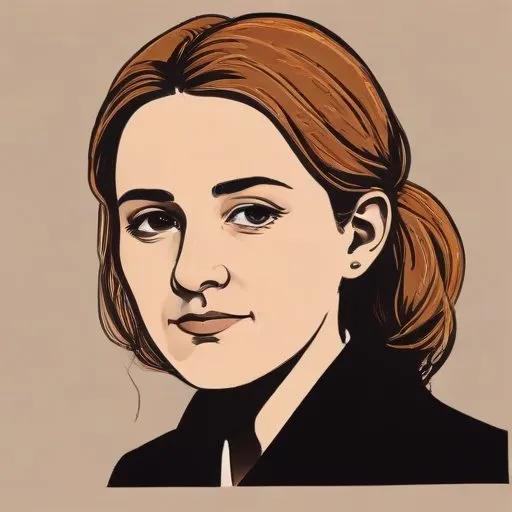
Leo Janek: The Visionary Czech Composer and Folklorist
A Master of Moravian and Slavic Music
Leo Janek, born on July 3, 1854, was a Czech composer, music theorist, folklorist, publicist, and teacher who left an indelible mark on the world of classical music. He is renowned for his innovative and modern musical style, which drew inspiration from Moravian and other Slavic folk music, as well as Eastern European folk melodies.
Early Life and Education
Born in Hukvaldy, Janek demonstrated exceptional musical talent from a young age. He pursued his passion for music by studying in Brno, Prague, Leipzig, and Vienna. This comprehensive education laid the foundation for his future contributions to the world of music.
A Fusion of Folk and Classical
Janek's early compositions were influenced by his contemporaries, including Antonín Dvořák. However, he soon began to incorporate his extensive research on national folk music and speech melodies into his work, creating a unique and modern synthesis. This distinct style, which blended folk and classical elements, defined his oeuvre and set him apart as a composer.
Personal Tragedy and Creative Transformation
The death of Janek's daughter, Olga, in 1903 had a profound impact on his music. This personal tragedy led to a significant transformation in his compositional style, which became more introspective and emotionally charged. The opera
Jenůfa, often referred to as the "Moravian national opera," premiered in 1904 and showcased this new direction.
International Recognition and Legacy
Despite initial lack of recognition in Prague, Janek's revised edition of
Jenůfa in 1916 finally brought him international acclaim. His later works, including
Kat'a Kabanová,
The Cunning Little Vixen, the
Sinfonietta, and the
Glagolitic Mass, solidified his position as a master composer. His pan-Slavist sentiments and fascination with Czech and Russian literature also influenced his later compositions.
Lasting Impact and Legacy
After Janek's passing in 1928, his work continued to flourish, thanks in part to the efforts of Australian conductor
Charles Mackerras, who championed his compositions and restored some to their original, unrevised forms. Today, Janek's legacy extends far beyond his native Czech Republic, with his works performed and admired worldwide.
- Notable Works:
- Jenůfa (opera)
- Kat'a Kabanová (opera)
- The Cunning Little Vixen (opera)
- Sinfonietta (orchestral work)
- Glagolitic Mass (choral work)
Leo Janek's innovative spirit, dedication to folk music, and emotional depth have left an indelible mark on the world of classical music. His legacy continues to inspire and captivate audiences, ensuring his place as one of the most important Czech composers of all time.
FAQ
What is Leoš Janáčeks contribution to Czech music?
Leoš Janáček was a Czech composer and theorist who made significant contributions to Czech music. He is best known for his operas, which often explored themes of Czech identity and culture.
What are some of Leoš Janáčeks most famous operas?
Some of Leoš Janáčeks most famous operas include Jenůfa, Káťa Kabanová, and The Cunning Little Vixen. These operas are known for their complex harmonies and innovative use of folk melodies.
How did Leoš Janáčeks music reflect his nationality?
Leoš Janáčeks music often reflected his Czech nationality, incorporating folk melodies and themes that celebrated Czech culture. His music also explored the countrys history and mythology.
What is Leoš Janáčeks legacy in classical music?
Leoš Janáčeks legacy in classical music is that of a pioneering composer who pushed the boundaries of traditional opera and classical music. His innovative use of harmony and melody has influenced generations of composers.
What is the significance of Leoš Janáčeks theoretical work?
Leoš Janáčeks theoretical work, including his writings on harmony and composition, has had a profound impact on the development of Czech music theory. His theories continue to influence music education and composition today.