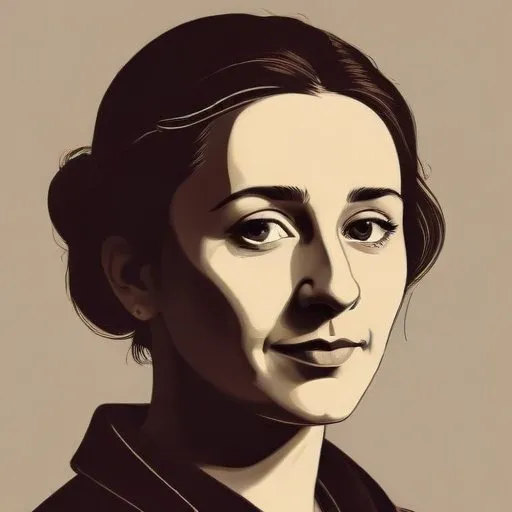
Zdeněk Fibich: The Czech Composer Who Defied Nationalism
A Legacy of Musical Diversity
Zdeněk Fibich, a Czech composer of classical music, is renowned for his diverse and prolific output, spanning over 376 pieces, including chamber works, symphonic poems, operas, and liturgical music. Among his most famous works is the symphonic poem
Poëmé, which has become an iconic representation of his innovative and emotive style.
Early Life and Education: A Blend of Cultures
Born on December 21, 1850, in Vejprnice, Czech Republic, Fibich's upbringing was a unique blend of Czech and German cultures. His father, a Czech forestry official, and his mother, an ethnic German from Vienna, instilled in him a love for music from an early age. His mother, who started teaching him piano at six years old, was his first music teacher. Fibich's education was a mix of home schooling and attendance at German-speaking and Czech-speaking gymnasiums, which further shaped his cultural identity.
Ambivalence towards Nationalism
Unlike his contemporaries, Antonín Dvořák and Bedřich Smetana, Fibich's position on Czech nationalism was more ambivalent. While Smetana and Dvořák dedicated themselves to the national cause, Fibich's diverse upbringing and education led him to pursue a more eclectic and cosmopolitan approach to music. This ambivalence towards nationalism has contributed to Fibich's relative obscurity in comparison to his more nationalistic counterparts.
Musical Contributions
Fibich's compositions are characterized by their lyricism, expressiveness, and technical mastery. Among his notable works are:
- Hippodamia, a melodrama trilogy
- Ruká, an opera
- The Bride of Messina, an opera
- Moods, Impressions, and Reminiscences, a piano cycle
These works demonstrate Fibich's ability to blend different styles and genres, creating a unique sound that defies categorization.
Influence on Modern Society
Fibich's music, although not as widely recognized as it deserves, has had a significant impact on the development of Czech classical music. His eclectic approach has inspired generations of composers, and his contribution to the country's rich cultural heritage is undeniable.
Personal Milestones and Key Life Events
Fibich's life was marked by significant personal milestones, including:
- 1850: Born in Vejprnice, Czech Republic
- 1860s: Studied piano with Ignaz Moscheles and composition with Salomon Jadassohn and Ernst Richter in Leipzig
- 1870s: Returned to Prague, where he began composing in earnest
- 1900: Died in Prague on October 15
Fibich's life was a testament to his dedication to his craft, and his music continues to inspire and captivate audiences today.
Legacy and Historical Context
Fibich's legacy is a reflection of his unique blend of cultural influences and his commitment to his art. In an era marked by nationalism and cultural identity, Fibich's music stood out for its eclecticism and diversity. Today, his works are recognized as an important part of the Czech classical music heritage, and his influence can be seen in the works of many contemporary composers.
By exploring Fibich's life and music, we gain insight into the complexities of cultural identity and the power of art to transcend borders and boundaries. Fibich's legacy is a testament to the enduring power of music to inspire, to provoke, and to bring people together.
FAQ
What was Zdeněk Fibichs significance in Czech music?
Zdeněk Fibich was a Czech composer and poet who played a significant role in the development of Czech music, particularly in the genre of opera and symphonic music.
What were Zdeněk Fibichs most famous works?
Fibichs most famous works include his opera The Bride of Messina and his symphonic poem Othello.
What was Zdeněk Fibichs involvement in the Czech National Revival?
Fibich was a key figure in the Czech National Revival, a movement that sought to promote Czech culture and identity.
What was Zdeněk Fibichs relationship like with other Czech composers?
Fibich was friends with other prominent Czech composers, such as Bedřich Smetana and Antonín Dvořák, and was influenced by their work.
What legacy did Zdeněk Fibich leave behind?
Fibichs legacy is that of a dedicated composer and poet who contributed significantly to the development of Czech music and culture.