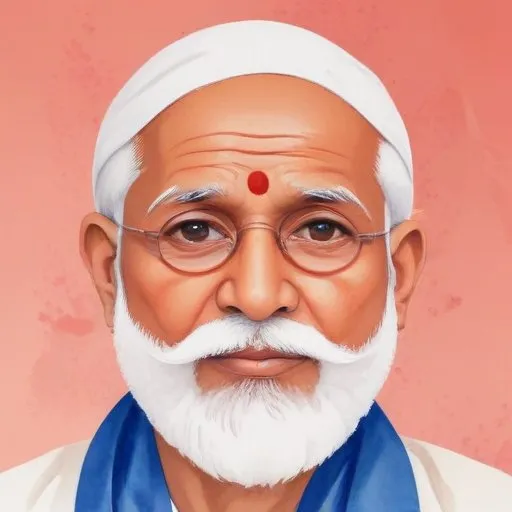
Bhagwan Das: The Indian Theosophist and National Freedom Advocate
A Champion of National Freedom and Cultural Revival
Bhagwan Das was a prominent Indian Theosophist, public figure, and advocate for national freedom from British rule. He is renowned for his tireless efforts in promoting cultural revival, education, and social reform, earning him the prestigious Bharat Ratna award in 1955.
Early Life and Education
Born on January 12, 1869, in Varanasi, India, Bhagwan Das graduated from school and became a deputy in the collections bureau. However, his thirst for knowledge led him to pursue further education, eventually joining the Theosophical Society in 1894, inspired by a speech by
Annie Besant.
Theosophical Society and National Freedom Movement
Das played a significant role in the Theosophical Society, siding with the Adyar branch after the 1895 split. He was an opponent of
Jiddu Krishnamurti and his Order of the Star in the East organisation. His involvement in the Indian National Congress during the Noncooperation movement further solidified his commitment to India's struggle for independence.
Education and Cultural Contributions
As a scholar of Sanskrit, Bhagwan Das made valuable contributions to the Hindi language. He authored approximately 30 books, many of which were written in Sanskrit and Hindi. His collaboration with Annie Besant led to the founding of the Central Hindu College, which later became Central Hindu School. Das also founded the Kashi Vidya Peeth, a national university where he served as headmaster.
Legacy and Honors
A prominent road in New Delhi, where the Supreme Court of India is situated, is named after him. Additionally, a colony in Varanasi's Sigra area bears his name, Dr. Bhagwan Das Nagar. The Law hostel in Banaras Hindu University is also named after him, as is the road leading to the Indian Law Institute and the office of the Bar Council of India in New Delhi.
Philosophical Contributions and Beliefs
Bhagwan Das' philosophical leanings were deeply rooted in Theosophy, which emphasized the importance of spiritual growth and self-realization. His advocacy for national freedom was closely tied to his belief in the need for Indians to reclaim their cultural heritage and assert their independence from British rule.
Influence on Modern Society
Das' multifaceted contributions have had a lasting impact on modern Indian society. His efforts in promoting education, cultural revival, and national freedom have inspired generations of Indians to strive for a more autonomous and culturally rich nation.
Trivia and Fun Facts
- Bhagwan Das' book, "The PranavaVada of Gargyayana," was published in three volumes between 1910 and 1913.
- He was a strong advocate against rioting as a form of protest, instead promoting peaceful means of achieving national freedom.
Historical Context and Legacy
Bhagwan Das' life and work are a testament to his unwavering commitment to India's struggle for independence and cultural revival. His legacy continues to inspire Indians today, serving as a reminder of the power of education, cultural heritage, and peaceful resistance in achieving national freedom.
FAQ
What was Bhagwan Dass contribution to Indian philosophy?
Bhagwan Das was an Indian philosopher, academic, and politician who made significant contributions to the development of Indian philosophy, particularly in the areas of Advaita Vedanta and Buddhism.
What was Bhagwan Dass role in the Indian independence movement?
Bhagwan Das was an active participant in the Indian independence movement, using his philosophical and intellectual convictions to inspire and guide the movement for Indian freedom and self-rule.
What other areas of study did Bhagwan Das contribute to?
In addition to philosophy, Bhagwan Das made significant contributions to the study of Sanskrit, literature, and social reform. He was a prolific writer and thinker who wrote extensively on a range of subjects, including politics, economics, and culture.
How did Bhagwan Dass philosophy influence Indian thought?
Bhagwan Dass philosophy had a profound impact on Indian thought, inspiring a generation of thinkers and intellectuals to explore the rich traditions of Indian philosophy and to apply its principles to the challenges of modern life.
What legacy did Bhagwan Das leave behind?
Bhagwan Das left behind a legacy of intellectual curiosity, philosophical insight, and commitment to social justice. His contributions to Indian philosophy and thought continue to inspire and guide Indians and people around the world.