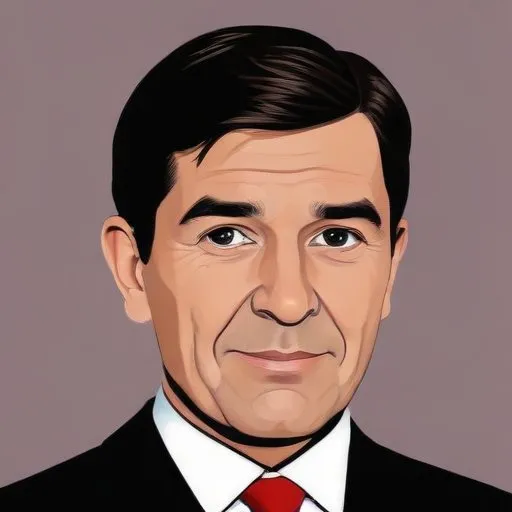
Sir Billy Mackie Snedden: A Pivotal Figure in Australian Politics
A Leader of the Liberal Party and Noted Politician
Sir Billy Mackie Snedden was a prominent Australian politician who served as the leader of the Liberal Party from 1972 to 1975. He is known for his extensive political career, which spanned over two decades, including his tenure as a cabinet minister from 1964 to 1972 and Speaker of the House of Representatives from 1976 to 1983.
Early Life and Education
Born on December 31, 1926, in Perth, Western Australia, Snedden served in the Royal Australian Air Force during World War II. Following the war, he pursued his interest in law and studied at the University of Western Australia. In 1951-1952, he became the inaugural federal chairman of the Young Liberal Movement, marking the beginning of his political journey.
Political Career
Snedden's political career took off when he was elected to the House of Representatives in 1955, at the age of 28. In 1964, he was elevated to cabinet by
Robert Menzies, where he served under four prime ministers. During this period, he held various ministerial positions, including:
- Attorney-General (1964-1966)
- Minister for Immigration (1966-1969)
- Minister for Labour and National Service (1969-1971)
- Treasurer (1971-1972)
Leadership and Legacy
In 1971, Snedden was elected deputy leader of the Liberal Party and eventually replaced
William McMahon as leader in 1972. He led the party to the 1974 federal election, which saw the Labor Party retain government with a narrow majority. Although he faced leadership challenges from
Malcolm Fraser in 1975, Snedden was elected to the speakership in 1976, a position he held for almost seven years, earning a reputation for impartiality.
Post-Political Life and Controversy
In retirement, Snedden served as chairman of the Melbourne Football Club and on the board of the Victorian Football League. His life, however, was cut short due to an unusual and tragic incident involving his son's ex-girlfriend in 1987.
Lasting Impact
Despite the controversy surrounding his death, Snedden's contributions to Australian politics remain significant. His commitment to public service, leadership, and impartiality have left a lasting impact on the country's political landscape.
Personal Milestones and Key Life Events
- 31 December 1926: Born in Perth, Western Australia
- 1951-1952: Inaugural federal chairman of the Young Liberal Movement
- 1955: Elected to the House of Representatives
- 1964: Elevated to cabinet by Robert Menzies
- 1971: Elected deputy leader of the Liberal Party
- 1972: Replaced William McMahon as leader of the Liberal Party
- 1976: Elected Speaker of the House of Representatives
- 1983: Retired as Speaker of the House of Representatives
- 27 June 1987: Passed away under unusual circumstances
FAQ
What was Billy Sneddens role in Australian politics?
Billy Snedden was a prominent Australian lawyer and politician who served as the 17th Attorney-General for Australia from 1964 to 1966 and played a key role in shaping the countrys legal and political landscape.
What were Billy Sneddens notable accomplishments as Attorney-General?
As Attorney-General, Billy Snedden introduced several significant legal reforms, including the establishment of the Australian Federal Police and the development of the countrys first national laws on company taxation.
What was Billy Sneddens stance on key policy issues?
Billy Snedden was known for his conservative views on issues such as law and order, national security, and economic policy, and played a key role in shaping the Liberal Partys platform during the 1960s.
What were Billy Sneddens early life and education?
Billy Snedden was born in Melbourne, Australia, and studied law at the University of Melbourne, where he graduated with honors and began his career as a lawyer.
What were Billy Sneddens later life and legacy?
After retiring from politics, Billy Snedden continued to practice law and remained active in public life, serving as a mentor and advisor to subsequent generations of Australian politicians and lawyers.