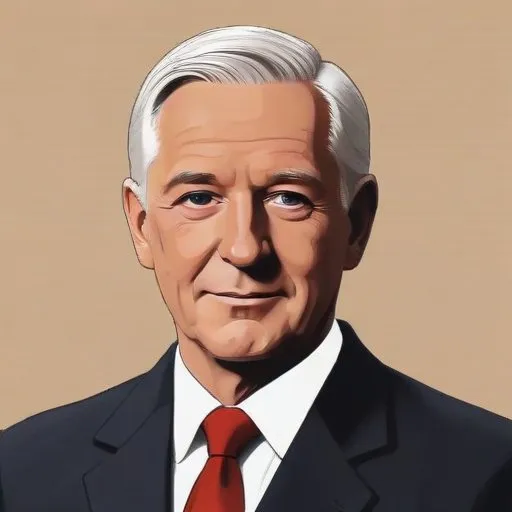
William McMahon: The 20th Prime Minister of Australia
A Legacy of Public Service
William McMahon, a stalwart of Australian politics, is renowned for his remarkable tenure as the 20th Prime Minister of Australia from 1971 to 1972. As the leader of the Liberal Party of Australia, McMahon's remarkable 21-year-long ministerial career has earned him a place in the annals of Australian history.
Early Life and Education
Born in Sydney on February 23, 1908, McMahon's early life was marked by academic pursuits. After completing his secondary education, he went on to study law at the University of Sydney, graduating in 1930. A brief stint in the commercial law sector preceded his entry into politics.
War Service and Post-War Years
During World War II, McMahon enlisted in the Australian Army, rising through the ranks to become a major. Following the war, he resumed his academic pursuits, earning an economics degree from the University of Sydney in 1948. This intellectual foundation served him well as he ventured into the realm of politics.
Rise to Prominence
McMahon's political career began with his election to the House of Representatives in 1949. Recognized for his acumen, he was promoted to the ministry in 1951 by Prime Minister
Robert Menzies, who later elevated him to cabinet in 1956. McMahon's ministerial responsibilities spanned multiple portfolios, including the pivotal Ministry of Labour and National Service from 1958 to 1966, during which he reintroduced conscription in 1964.
Leadership Roles and Challenges
Following Menzies' retirement in 1966, McMahon became the deputy leader of the Liberal Party under Prime Minister
Harold Holt. He later took on the role of Treasurer, overseeing a significant reduction in the national deficit. After Holt's death in 1967, McMahon's bid for leadership was vetoed by
John McEwen, leader of the Country Party. He continued to serve as Treasurer under Prime Minister
John Gorton, but was eventually demoted to Minister for External Affairs in 1969. McMahon's persistence paid off when he replaced Gorton as Prime Minister in March 1971, following Gorton's resignation.
Prime Ministerial Tenure
At 63, McMahon became the oldest non-interim prime minister to take office. His government navigated a delicate balance between cautious innovation and fundamental orthodoxy, earning recognition from the Australian Dictionary of Biography. During his prime ministerial tenure, McMahon navigated complex policy issues, leaving an indelible mark on Australian politics.
Personal Milestones and Legacy
Throughout his life, McMahon was driven by a strong work ethic and unwavering dedication to public service. His commitment to Australian politics spanned four decades, earning him a place among the most enduring figures in Australian history. McMahon's legacy continues to inspire future generations, serving as a testament to the power of perseverance and dedication.
Controversies and Public Perception
McMahon's political career was not without controversy. His introduction of conscription in 1964 and later demotion from Treasurer in 1969 sparked public debate. Despite this, his contributions to Australian politics remain significant, cementing his status as a respected figure in Australian history.
Philosophical Contributions and Beliefs
McMahon's political ideology was shaped by his commitment to liberal values and economic conservatism. His leadership was characterized by a blend of caution and innovation, reflecting his dedication to the welfare of the Australian people. Throughout his career, McMahon remained steadfast in his belief in the importance of responsible governance and economic prudence.
Historical Context and Impact
McMahon's legacy is deeply intertwined with the historical context of post-war Australia. His leadership during a period of significant social and economic change has left an indelible mark on the nation's development. As a testament to his enduring impact, McMahon's name remains synonymous with Australian politics, inspiring future generations of leaders.
Trivia and Fun Facts
- McMahon holds the record for the longest continuous ministerial service in Australian history, spanning 21 years.
- He was a strong advocate for the reintroduction of conscription in 1964, sparking heated national debates.
- McMahon's economic policies were shaped by his passion for responsible governance and fiscal prudence.
Conclusion
William McMahon's remarkable life and career serve as a testament to the power of dedication and perseverance. As the 20th Prime Minister of Australia, he navigated complex policy issues, leaving an indelible mark on the nation's development. McMahon's legacy continues to inspire future generations, solidifying his place as one of the most significant figures in Australian history.