


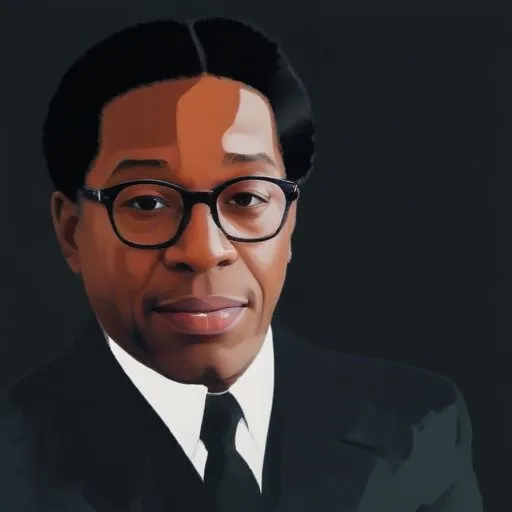
A renowned jazz pianist and composer, known for blending bebop and swing styles, and creating iconic pieces like "I Wish I Knew How It Would Feel to Be Free".
Taylor was born on July 24, 1921, in Greenville, North Carolina, and moved to Washington, D.C. at the age of five. Growing up in a musical family, he learned to play various instruments, including guitar, drums, and saxophone, but excelled at the piano.
He made his professional debut at 13, playing keyboard for a dollar, and went on to attend Dunbar High School, the first high school for African American students in the United States. Taylor majored in sociology at Virginia State College, but later switched to music after Undine Smith Moore, a renowned pianist, recognized his talent.
Taylor moved to New York City in 1944, where he began playing piano professionally with Ben Webster's Quartet on 52nd Street. Throughout his illustrious career, he performed with jazz greats such as Duke Ellington, Charlie Parker, and Dizzy Gillespie.
In addition to his musical accomplishments, Taylor was a dedicated jazz activist. He founded the Jazz Foundation of America in 1989, an organization dedicated to saving the homes and lives of elderly jazz and blues musicians.
Taylor believed that jazz was an integral part of American culture and history. He advocated for jazz education, recognizing its potential to bring people together and promote understanding.
Taylor's tireless efforts to promote jazz education and appreciation helped to cement the genre's place in American culture. His work with the Jazz Foundation of America has had a lasting impact on the lives of countless musicians and the preservation of jazz heritage.
Had Taylor not passed away in 2010, he would have likely continued to advocate for jazz education and the preservation of American cultural heritage. His legacy serves as a testament to the power of music to bring people together and inspire future generations.
Billy Taylor's contributions to jazz education, activism, and performance have left an indelible mark on the genre. He inspired countless musicians, educators, and enthusiasts, solidifying his place as one of the most important figures in jazz history.
Taylor received numerous awards and honors for his contributions to jazz, including multiple Grammy nominations and a National Medal of Arts.
Billy Taylor's life serves as a testament to the power of passion, dedication, and perseverance. His unwavering commitment to jazz education and advocacy continues to inspire new generations of musicians and enthusiasts.
Born in 1899
A legendary jazz pianist, composer, and bandleader who revolutionized the genre with his unique style and iconic compositions, such as "Take the A Train" and "Mood Indigo".
Born in 1904
A legendary jazz pianist and bandleader who led a iconic orchestra, blending swing and blues to create a unique sound that influenced generations of musicians. Known for his distinctive "less-is-more" style and hits like "April in Paris" and "One O'Clock Jump".
Born in 1910
A virtuosic clarinetist and innovative bandleader, he revolutionized the swing era with his unique sound and iconic hits like "Begin the Beguine" and "Stardust".
Born in 1909
A virtuosic clarinetist and bandleader, known as the "King of Swing," who revolutionized jazz music with his energetic and sophisticated style, leading a racially integrated orchestra in the 1930s.
Born in 1891
A legendary composer and songwriter behind timeless Broadway shows and Hollywood musicals, crafting witty, sophisticated, and romantic songs that have become jazz standards.
Born in 1925
A virtuosic jazz pianist and masterful composer, renowned for his dazzling technique, elegant style, and iconic trio performances.
Born in 1917
A virtuosic jazz vocalist known for her pure, expressive tone, impeccable phrasing, and incredible scat singing abilities. She won 13 Grammy Awards and recorded over 200 albums.
Born in 1901
A legendary jazz musician who revolutionized the genre with his unique trumpet playing and raspy vocals, leaving an indelible mark on American music.
