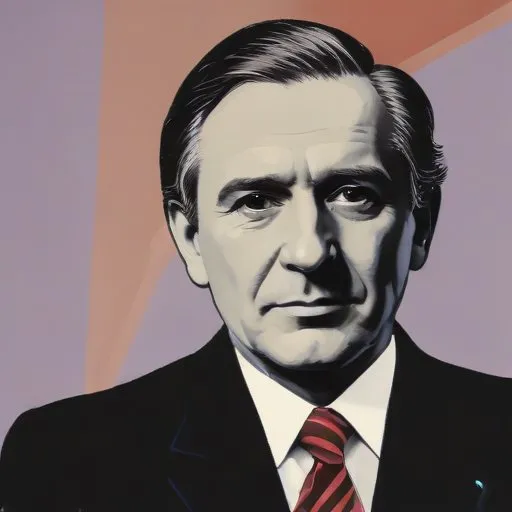
Chester Bowles: A Diplomat, Politician, and Humanitarian
A Champion of International Cooperation
Chester Bowles was an American diplomat, politician, and humanitarian, best known for his efforts to promote international cooperation and understanding. As a key figure in the United States government, he played a crucial role in shaping the country's foreign policy during the mid-20th century.
Early Life and Career
Born on April 5, 1901, in Springfield, Massachusetts, Bowles grew up in a family of modest means. He attended Northampton High School and later graduated from Springfield College in 1922. After college, he worked as a reporter for the
before moving to New York City to pursue a career in advertising. In 1931, he co-founded the advertising agency Benton & Bowles, which became one of the largest and most successful agencies in the country.
Entering Politics
Bowles' entry into politics came in 1942, when he was appointed as the Director of the Office of Price Administration (OPA) by President Franklin D. Roosevelt. In this role, he was responsible for controlling prices and rents during World War II. His success in this position earned him the respect of President Harry S. Truman, who appointed him as the Ambassador to India in 1951.
Diplomatic Career
As Ambassador to India, Bowles played a key role in fostering close relations between the United States and India. He was instrumental in negotiating the Indo-US Agreement of 1951, which provided economic aid to India and paved the way for a long-term strategic partnership between the two countries. In 1953, he was appointed as the Under Secretary of State, where he worked closely with Secretary of State John Foster Dulles to shape the country's foreign policy.
Humanitarian Work
Bowles was a strong advocate for social justice and human rights. He was a vocal critic of colonialism and supported the independence of developing countries. In 1955, he resigned from his position as Under Secretary of State to focus on humanitarian work. He served as the President of the New York-based Fund for the Republic, a non-profit organization dedicated to promoting democracy and human rights.
Philosophical Contributions and Beliefs
Bowles was a firm believer in the importance of international cooperation and understanding. He advocated for a more nuanced approach to foreign policy, one that took into account the needs and aspirations of developing countries. In his book, The New Dimensions of Peace, he argued that peace and prosperity could only be achieved through mutual understanding and cooperation.
Personal Milestones and Key Life Events
- 1942: Appointed as the Director of the Office of Price Administration (OPA) by President Franklin D. Roosevelt
- 1951: Appointed as the Ambassador to India by President Harry S. Truman
- 1953: Appointed as the Under Secretary of State
- 1955: Resigned as Under Secretary of State to focus on humanitarian work
- 1960: Elected as the Governor of Connecticut, serving two terms until 1961
Influence on Modern Society
Bowles' legacy extends beyond his diplomatic career. He was a strong advocate for social justice and human rights, and his work continues to inspire diplomats, politicians, and humanitarians around the world. His commitment to international cooperation and understanding has had a lasting impact on the way we approach foreign policy today.
Quotes and Memorable Sayings
- "The pursuit of peace is not a shallow or sentimental undertaking. It is a hard-headed, practical, and essential task."
- "We must learn to think of the world as a single, interdependent community, and to act accordingly."
Historical Context and Legacy
Bowles' life and career spanned a tumultuous period in world history, from the Great Depression to the Cold War. His commitment to international cooperation and understanding remains an important part of his legacy, and his work continues to inspire new generations of diplomats, politicians, and humanitarians.
FAQ
Who was Chester Bowles and what was his role in American politics?
Chester Bowles was an American diplomat and politician who served as the United States Ambassador to India and Nepal, and later as Governor of Connecticut.
What were Chester Bowless views on international relations and foreign policy?
Chester Bowles was a strong advocate for international cooperation and multilateralism, believing that the United States had a critical role to play in promoting global stability and development. He was particularly interested in issues related to Asia and the Middle East.
How did Chester Bowless diplomatic experience shape his views on politics and governance?
Chester Bowless diplomatic experience had a profound impact on his views on politics and governance, leading him to emphasize the importance of cooperation, diplomacy, and cultural understanding in international relations.
What were Chester Bowless achievements as Governor of Connecticut?
As Governor of Connecticut, Chester Bowles implemented a range of progressive reforms, including the creation of a state income tax, expansion of education and healthcare, and promotion of economic development and job creation.
What is Chester Bowless legacy in American politics?
Chester Bowless legacy in American politics is that of a committed public servant who dedicated his life to promoting international understanding and cooperation, and working to improve the lives of Americans through progressive governance.